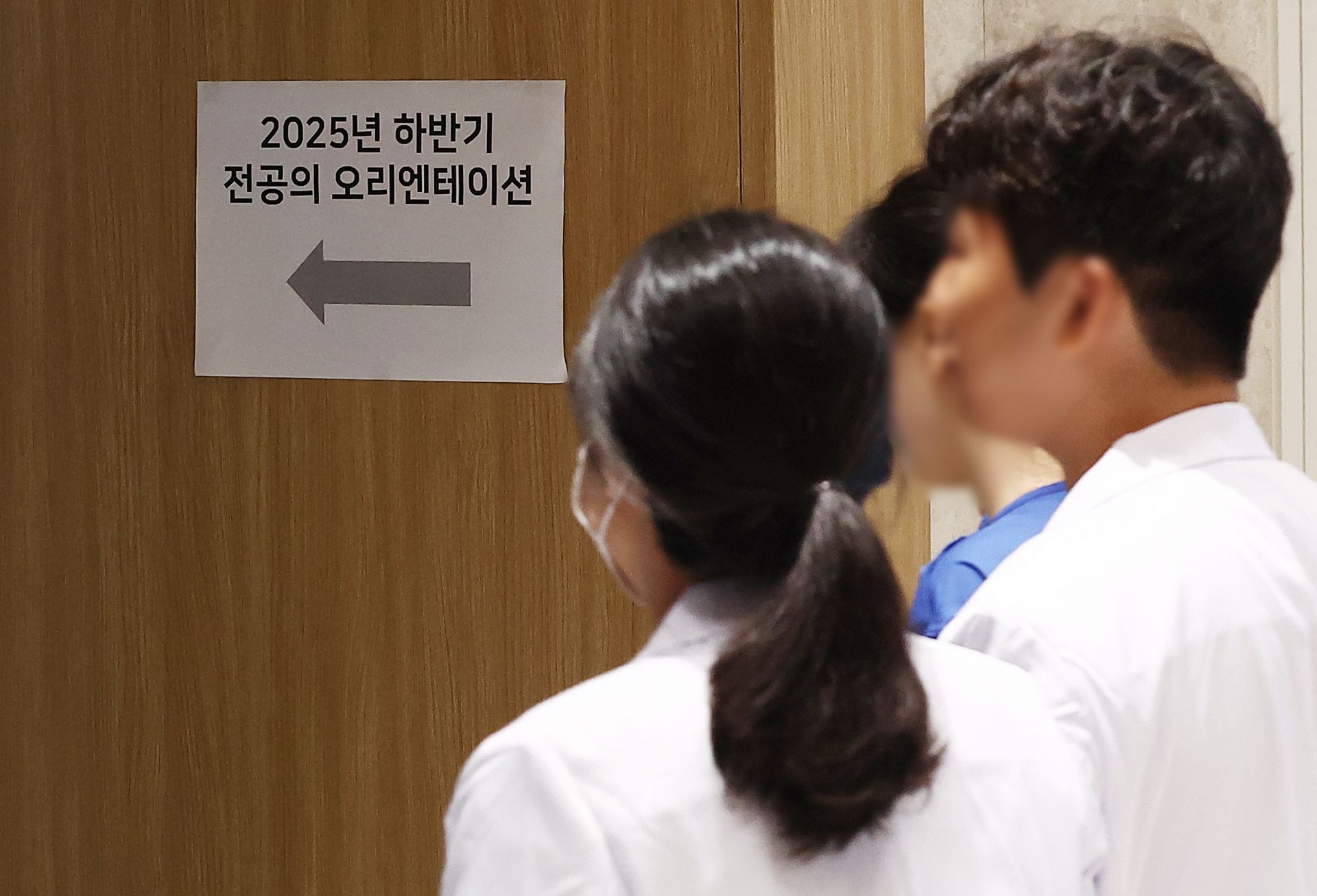

In the case of the 'Big 5' hospitals in Seoul, the application rate for resident recruitment in the second half of the year reached 60 to 80%, and the fill rate for each clinical department generally exceeded around 70%. However, some residents failed to return, such as Park Dan, former emergency committee chairman of the Korean Intern Resident Association, who applied to return to the emergency medicine department at Severance Hospital but was eliminated during the selection process.
Seoul Big 5 Hospitals See 60-80% Application Rate for Second Half Recruitment
Fill rates for each clinical department generally exceed 70%,
but the hospital atmosphere is markedly different from before.
Working hours for returning residents reduced from 80 to 72 hours per week.
Pilot project underway to cut consecutive working hours from 36 to 20 hours.
but the hospital atmosphere is markedly different from before.
Working hours for returning residents reduced from 80 to 72 hours per week.
Pilot project underway to cut consecutive working hours from 36 to 20 hours.
Residents who collectively resigned in protest against the Yoon Suk-yeol administration's policy to increase medical school quotas are now returning to their training hospitals, but the situation varies greatly between the Seoul metropolitan area and the provinces, as well as between popular and essential specialties. There are also numerous unresolved issues, such as improving the training environment for residents and clarifying the division of work with Physician Assistant (PA) nurses.
According to the medical community on September 1, residents selected through the second half recruitment process at training hospitals nationwide last month are resuming their training from this day. While the Ministry of Health and Welfare is still compiling exact figures, it is understood that a significant number of residents who left hospitals in February last year in protest against the expansion of medical school quotas have now chosen to return to training.
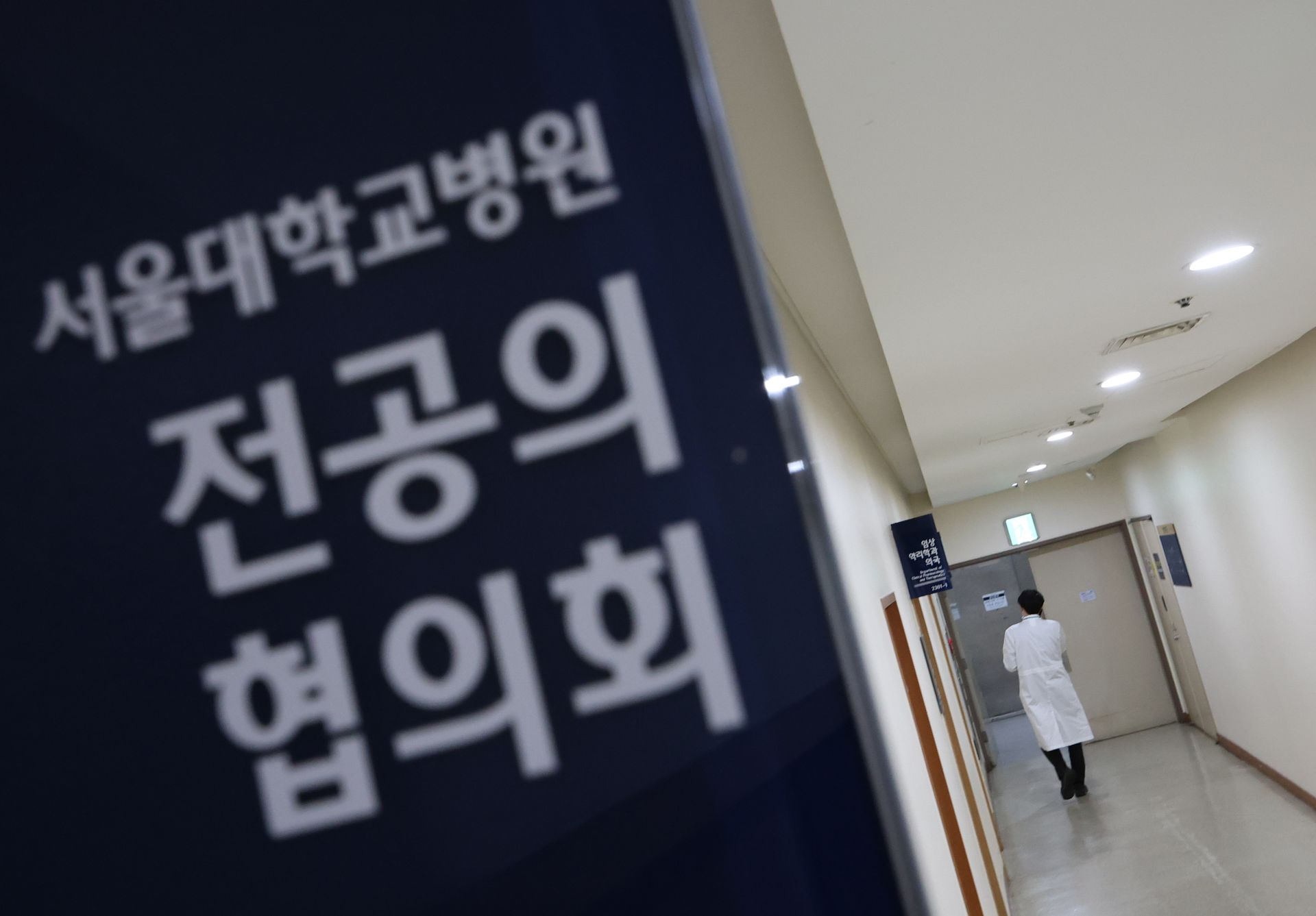
Large hospitals where residents are returning are expected to operate more smoothly. As professors' workload is significantly reduced, patient inconvenience is also anticipated to decrease. The government plans to monitor the stabilization of each hospital before considering lowering the "serious" level of the public health disaster crisis alert, which has been maintained since last year, and also reviewing the lifting of the emergency medical system.
However, even with the return of residents, the hospital atmosphere is expected to be quite different from before. This is because ongoing efforts to improve the training environment-a key demand of residents-are resulting in reduced working hours. The government is conducting a pilot project to reduce residents' weekly working hours from 80 to 72, and consecutive working hours from 36 to 20.
Division of Work with PA Nurses Remains an Urgent Issue
Internal discussions underway on adjusting overlapping work between residents and PA nurses.
Nurses report fatigue due to frequent changes in work assignments.
Concentration in the metropolitan area and avoidance of essential medical specialties persist.
Return application rate for residents in non-metropolitan areas is around 50%.
Some residents in essential medical fields have switched specialties.
Nurses report fatigue due to frequent changes in work assignments.
Concentration in the metropolitan area and avoidance of essential medical specialties persist.
Return application rate for residents in non-metropolitan areas is around 50%.
Some residents in essential medical fields have switched specialties.
The division of work with PA nurses, who have filled the gap left by departing residents, is also an urgent issue. Hospitals are internally discussing how to adjust overlapping work between residents and PA nurses, and in some hospitals, nurses have reported fatigue due to frequent changes in work assignments as PA nurses are reassigned to wards.
In particular, the concentration of residents in the metropolitan area and the avoidance of essential medical specialties are likely to intensify. The latest second half recruitment results show that the return application rate for residents in non-metropolitan areas remains at around 50%, relatively low, further widening the gap between Seoul and other regions. It has also been reported that some residents who previously belonged to essential specialties have switched departments to resume training.
A medical industry insider said, "In regional emergency medicine, pediatrics, and obstetrics and gynecology departments, it is understood that only a very small number of existing residents have returned." One resident said, "In regional emergency rooms where residents who resigned during the medical-government conflict worked, the salaries for newly hired doctors have more than doubled," adding, "Several hospitals have contacted emergency medicine residents who did not return to training, offering higher salaries than before on the condition that they work until March next year."
!["Please Help Us": How Much Do Those Bowing 90 Degrees These Days Actually Earn? [Data Pick]](https://cwcontent.asiae.co.kr/asiaresize/323/2026052010120870131_1779239528.png)