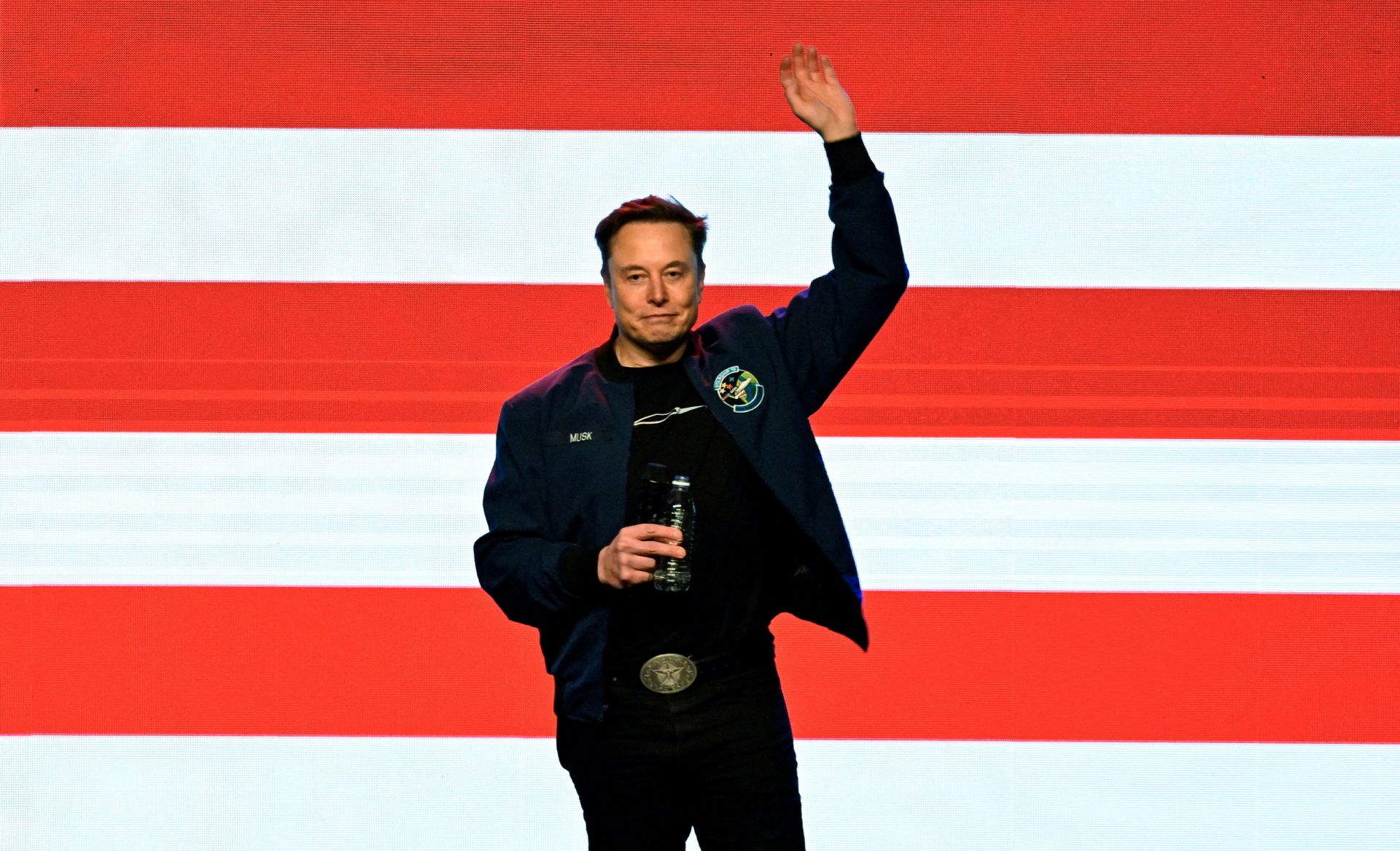
Elon Musk, CEO of Tesla, declared that he would form a new party due to a fallout with U.S. President Donald Trump, but is quietly putting the brakes on it, the Wall Street Journal (WSJ) reported on the 19th (local time). According to WSJ, Musk told close associates that he wants to focus on the companies he runs and is concerned that forming a new party to split the Republican support base would damage his relationships with prominent Republican figures. This is contrary to his declaration earlier last month when he announced the creation of the America Party aimed at representing voters dissatisfied with the two major U.S. parties ahead of next year’s midterm elections.
Declared Formation of a New Party Due to Conflict with President Donald Trump, But...
Concerns Over Deteriorating Relationships with Key Republican Figures Such as Vice President J.D. Vance
Has Not Officially Withdrawn the Party Formation Plan
May Change His Stance as Next Year’s Midterm Elections Approach
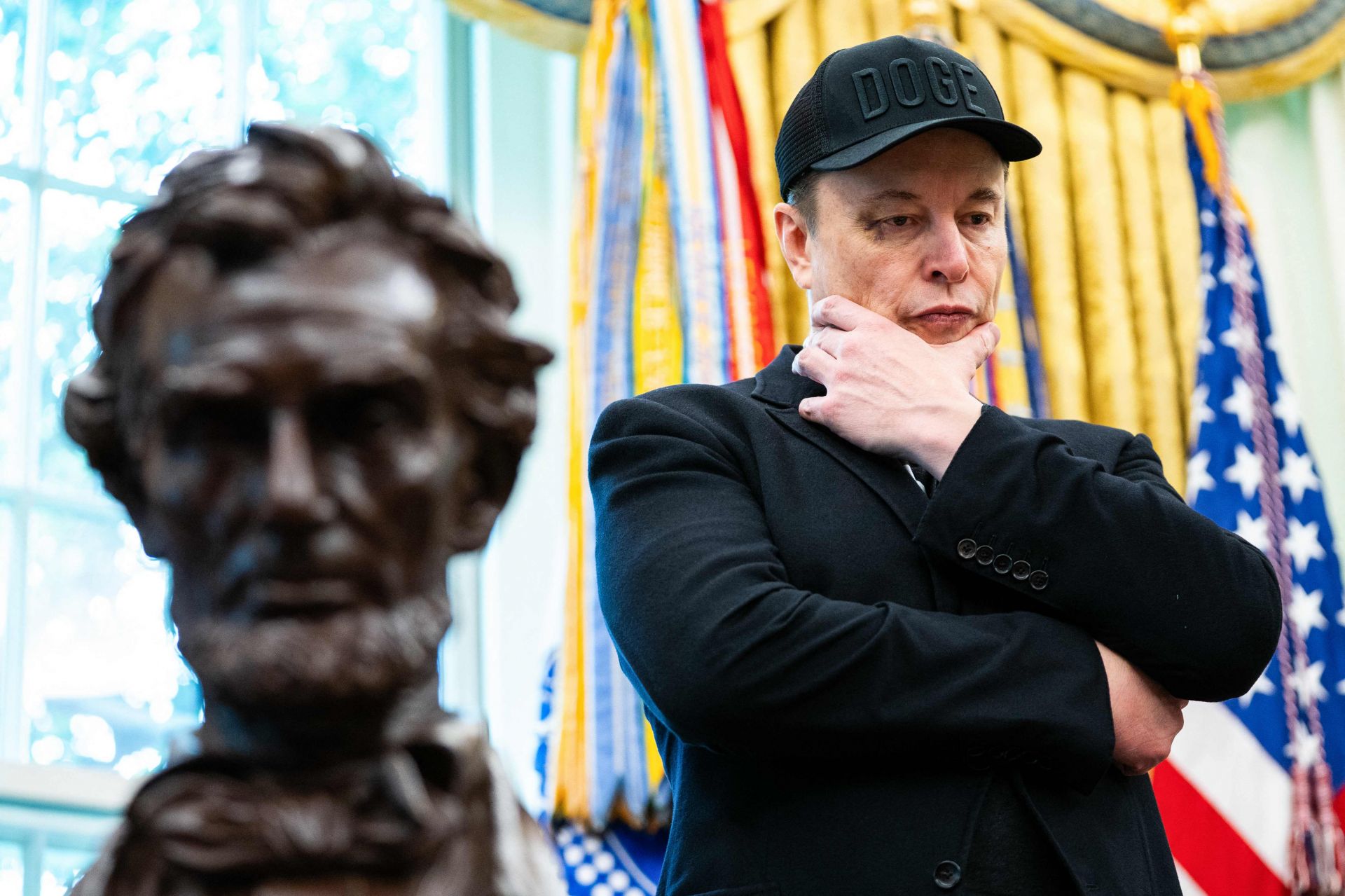
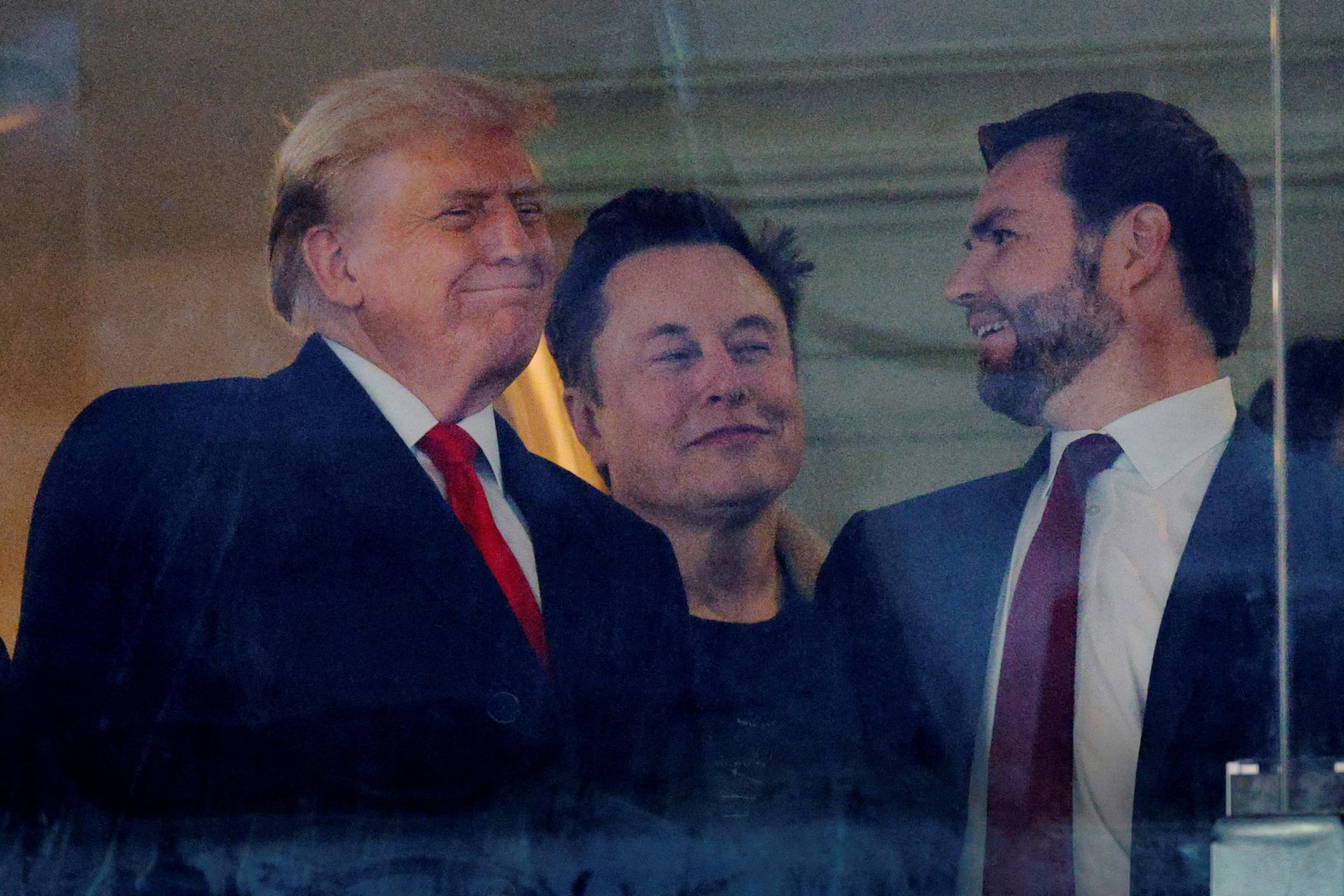
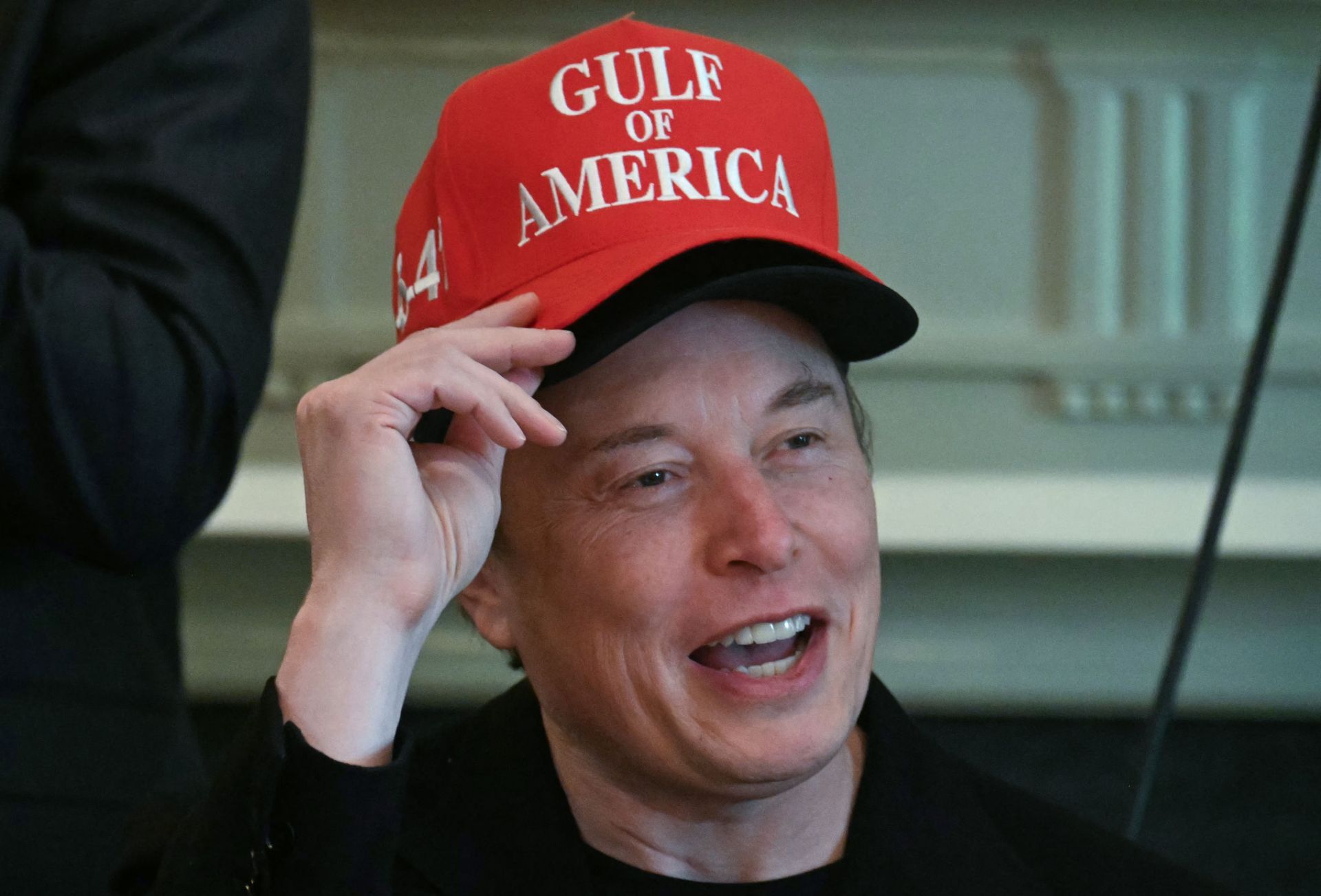
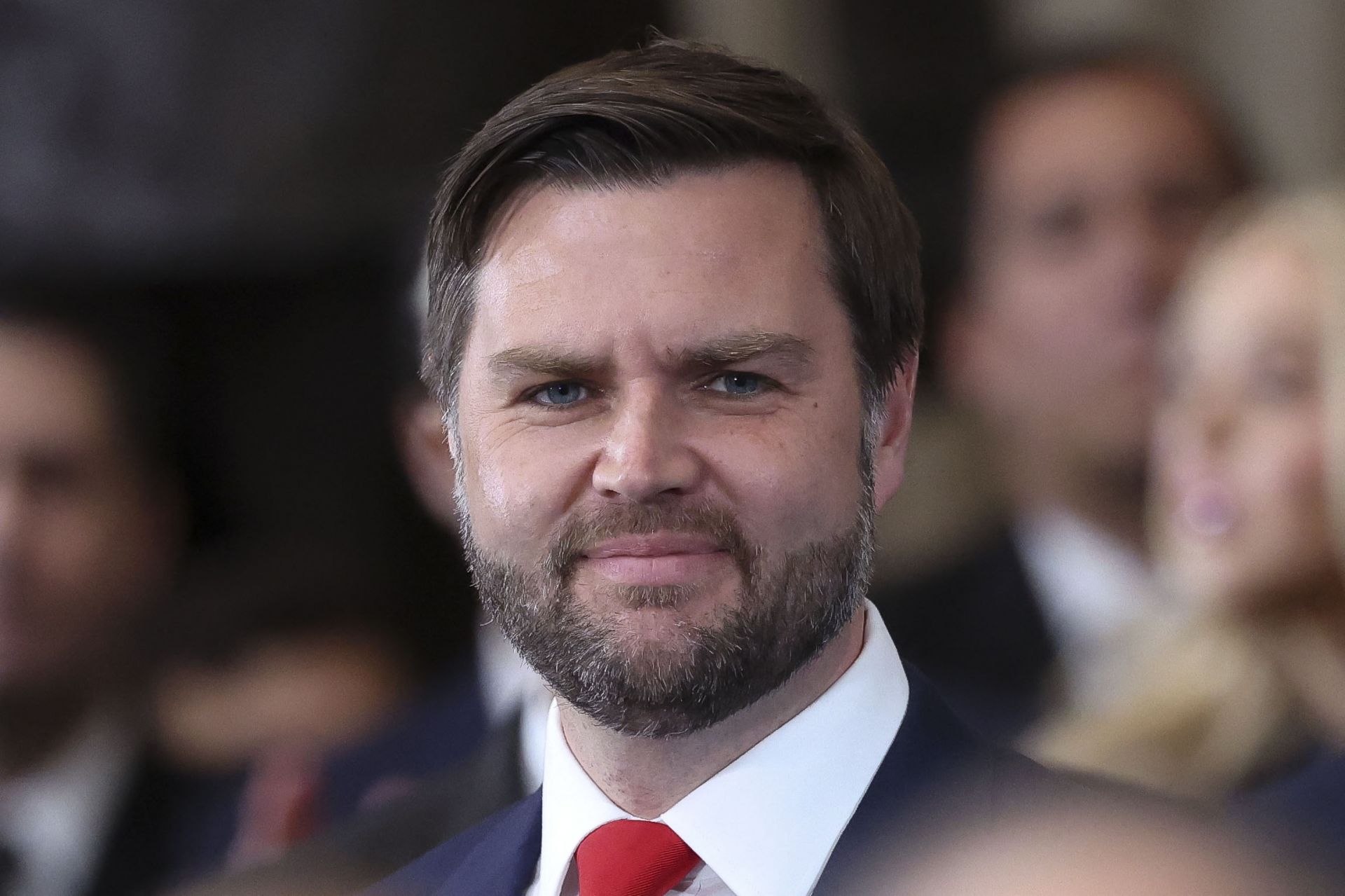
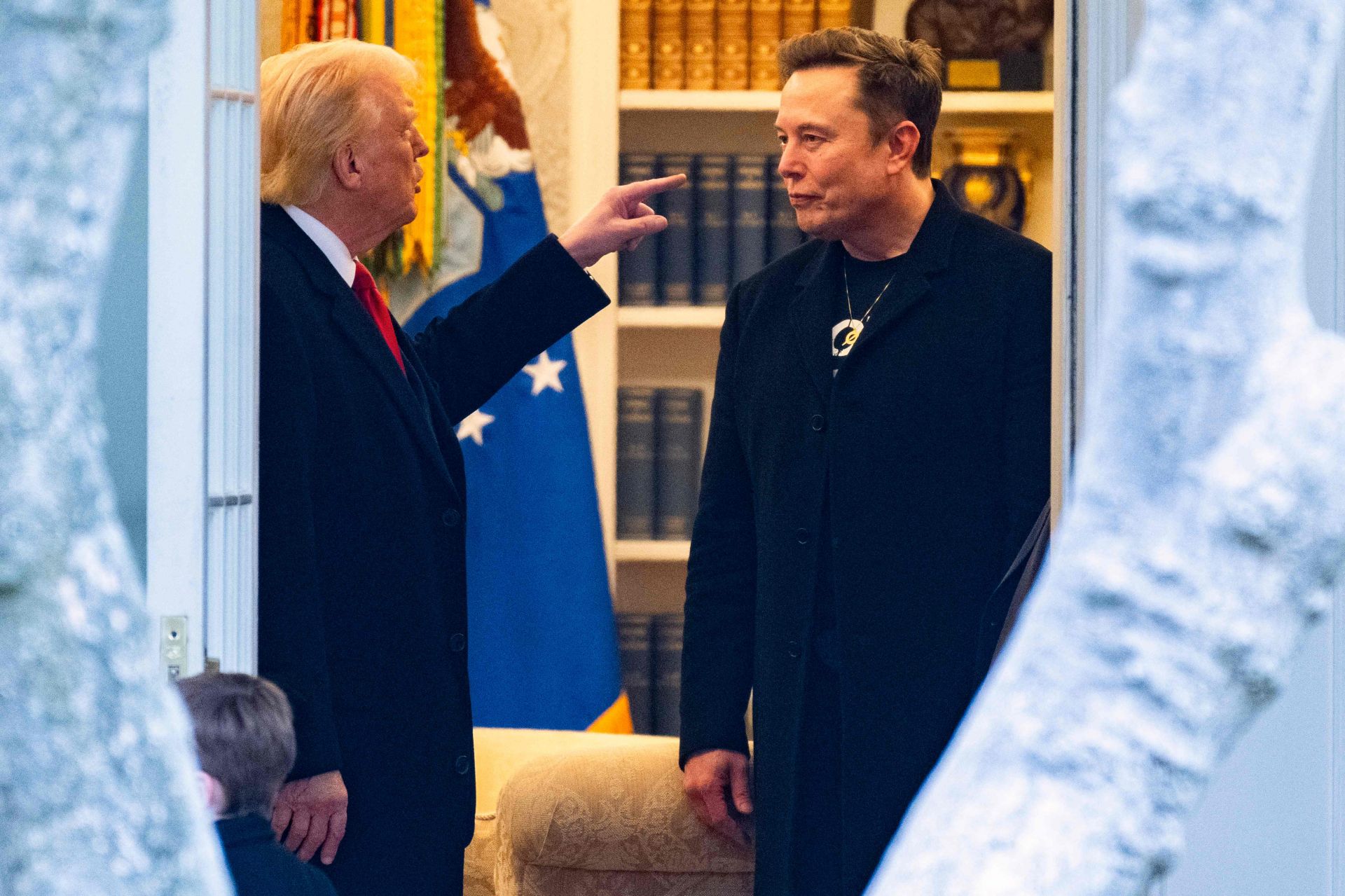
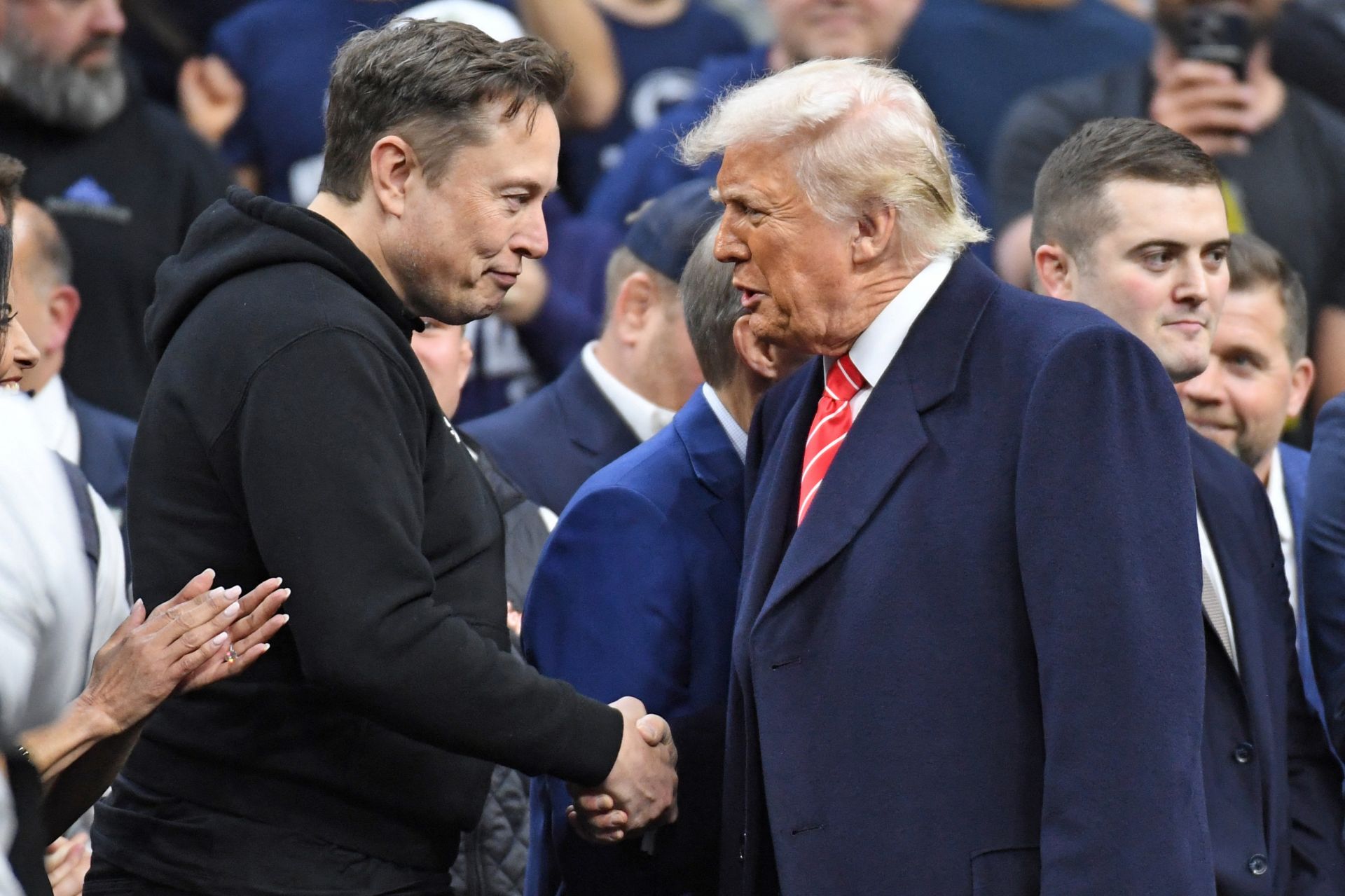
It has been reported that CEO Musk paid considerable attention to maintaining a relationship with Vice President JD Vance, who is mentioned as a successor to MAGA (Make America Great Again), during the process of considering the formation of a new party. Sources said that CEO Musk has been in continuous contact with Vice President Vance over the past few weeks and believes that if the party formation is pushed forward, the relationship with Vice President Vance will deteriorate. Additionally, according to these sources, CEO Musk discussed with close aides the possibility of supporting Vice President Vance if he runs in the 2028 presidential election. CEO Musk spent about $300 million for President Trump and the Republican Party in the 2024 presidential election. However, Musk's close aides said that although he has not officially withdrawn from forming a party, he might change his position as the midterm elections approach next year.
However, the WSJ pointed out that CEO Musk's side did not have significant contact with individuals who could support the party's founding or play a key role in the founding process. According to sources, CEO Musk's side canceled a scheduled phone meeting with an external group specialized in third-party campaign organization at the end of July. It was reported that this was because CEO Musk wanted to focus on corporate management.
If CEO Musk abandons plans to form a third party, it could be a boon for the Republican Party ahead of next year's midterm elections. Historically, third parties have played a role in siphoning votes from the two major parties. Having 'big player' CEO Musk as an ally could be decisive for Vice President Vance's presidential bid. In the 2024 presidential election, CEO Musk's super PAC, America PAC, spent millions of dollars for President Trump in key battleground states such as Pennsylvania. Vice President Vance's spokesperson referred to an interview Vance recently gave to the conservative website Gateway Pundit in response to WSJ's request for comment. In the interview, Vice President Vance said that breaking with President Trump and the conservative camp would be a mistake and expressed hope that CEO Musk would return around the midterm elections.
CEO Musk established himself as a close ally of President Trump during the 2024 presidential election process, but publicly fell out with him by strongly criticizing Trump's large-scale tax cut bill. However, the WSJ reported that a temporary reconciliation atmosphere seems to have been created recently between CEO Musk and President Trump. The two have recently stopped exchanging heated arguments on social media. CEO Musk refrains from criticizing President Trump or the Republican Party, and President Trump expressed his hope for the success of CEO Musk and his businesses.
President Trump raised the possibility of terminating federal contracts with CEO Musk's companies, but the Trump administration's review of SpaceX contracts found that most are essential to the Department of Defense or NASA, according to the WSJ. Additionally, SpaceX is one of the beneficiary companies of the rocket launch permit deregulation executive order recently signed by President Trump.
-

Reporter Oh Suyon syoh@asiae.co.kr
-
Edit Choo Myeonghoon chox2mh@asiae.co.kr
© The Asia Business Daily(www.asiae.co.kr). All rights reserved.
!["Please Help Us": How Much Do Those Bowing 90 Degrees These Days Actually Earn? [Data Pick]](https://cwcontent.asiae.co.kr/asiaresize/323/2026052010120870131_1779239528.png)