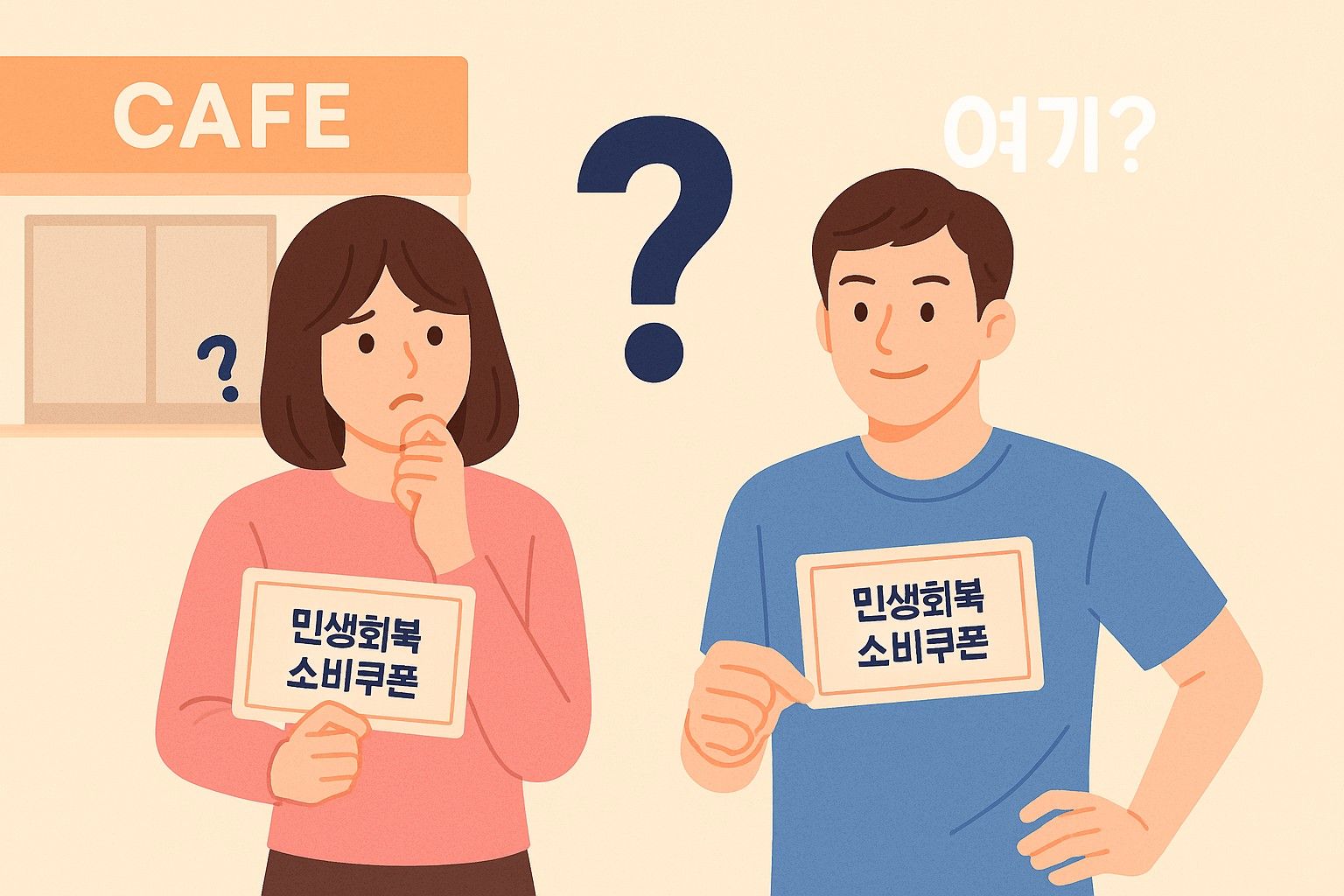
The industry where consumption coupons were used the most was convenience stores (11.3%), followed by medical/health (5.0%), cafes (4.4%), and general restaurants (3.9%).
'Minsaeng Coupon' Drives Everyday Consumer Spending
It has been 10 days since the government began distributing the 'Minsaeng Recovery Consumption Coupon,' and meaningful changes are being observed at actual points of consumption.
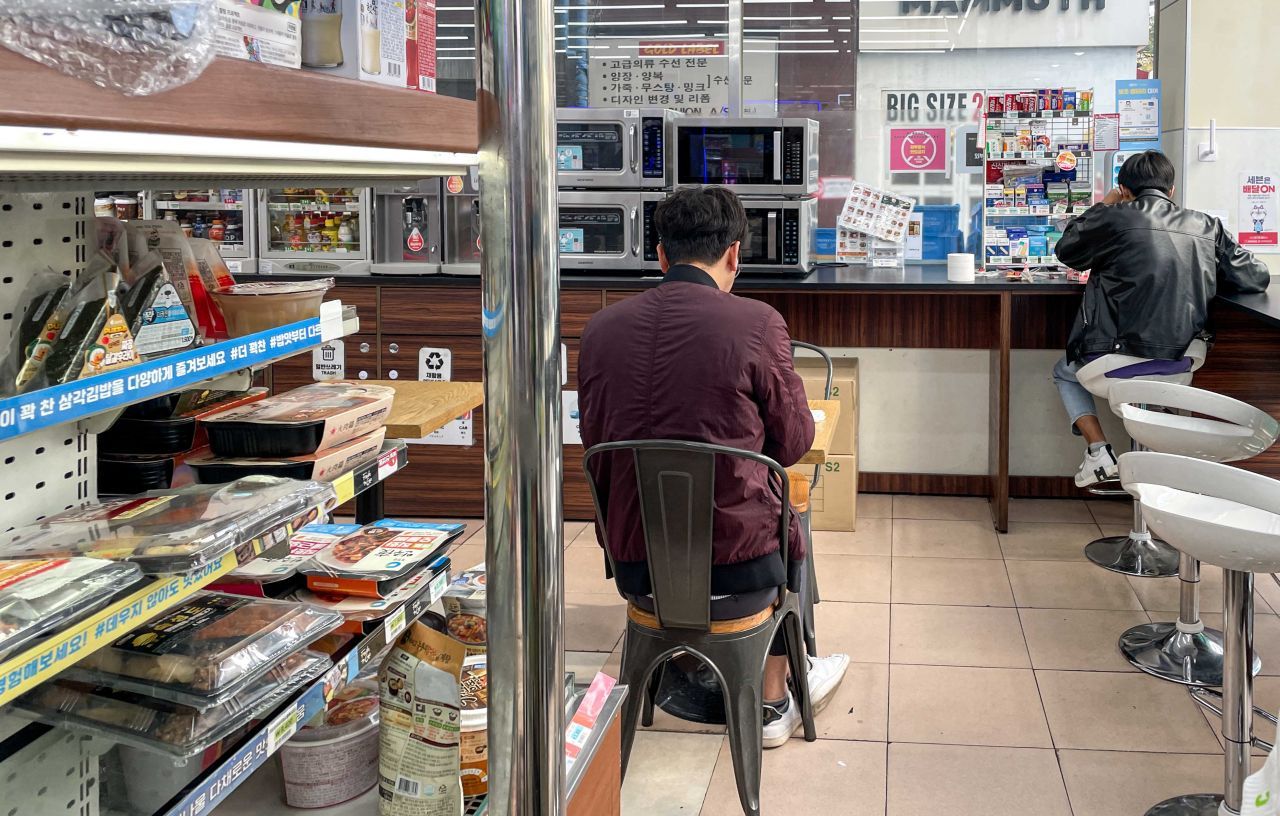
By gender, men showed a high usage rate at convenience stores (32.8%), while women showed high usage at cafes (17.4%) and bakeries (7.3%).
Consumption tendencies between generations also differed clearly. Younger age groups were mainly active in convenience stores and cafes, whereas older age groups primarily used coupons at hospitals or pharmacies.
According to the 'Minsaeng Recovery Consumption Coupon Usage Data Analysis' released by Macromill Embrain on August 1, coupon usage has been most active in 'everyday life' sectors such as convenience stores, hospitals, and cafes.
An analysis of the first round of payment data from July 22 to 28 showed that the sector with the highest coupon usage was convenience stores (11.3%), followed by medical and health (5.0%), cafes (4.4%), and general restaurants (3.9%). This indicates that consumers made practical expenditures in the most routine spaces of daily life, demonstrating the effectiveness of the policy.

The 'Minseong Recovery Consumption Coupon' is being actively used mainly in daily life-oriented sectors. MacroMill Embrain
원본보기 아이콘There were also clear differences in consumption patterns between generations. Younger age groups were most active in using coupons at convenience stores (32.0% for those in their 20s, 37.7% for those in their 30s) and cafes (16.0% for those in their 20s, 22.9% for those in their 30s), while older age groups mainly used the coupons at hospitals and pharmacies.
Men Use Convenience Stores Most; Women Prefer Cafes and Bakeries
By gender, men used the coupons most at convenience stores (32.8%), while women showed higher usage at cafes (17.4%) and bakeries (7.3%).

The 'Minsheng Recovery Consumption Coupon' showed differences in usage locations according to income levels. Macromill Embrain
원본보기 아이콘A notable point was the difference in usage by income level. Respondents who rated their annual income as lowmainly used the coupons at marts and discount stores (10.7% for under 10 million KRW, 10.3% for 10?30 million KRW, 6.7% for 30?50 million KRW), which are outlets for daily necessities.They also showed high usage rates for high-priced items such as optical shops (3.1% for under 10 million KRW, 1.5% for 10?30 million KRW, 1.8% for 30?50 million KRW). In other words, low-income groups used the coupons as a means of livelihood support. In contrast, higher income groups tended to use the consumption coupons in relatively high-cost education sectors.

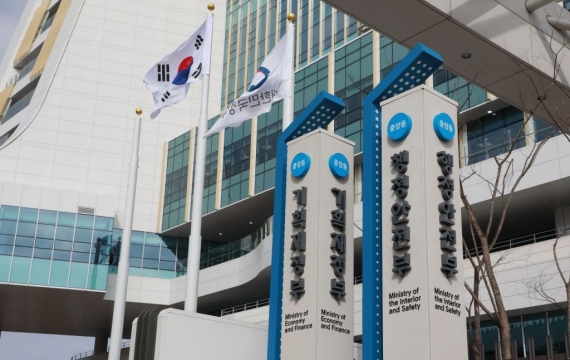
Yoon Hojung, Minister of the Ministry of the Interior and Safety, visited Bidan-gil Hyundai Market in Geumcheon-gu, Seoul on the 24th to inspect the use of livelihood recovery consumption coupons and purchased goods. 2025.7.24. Photo by Kang Jinhyung
원본보기 아이콘The government's consumption coupon policy has had a visibly positive impact on consumption trends in a short period. Its practical effect in reducing the burden of living costs and supporting small business sales recovery aligns with the policy's stated objectives. However, since this is still the early stage of implementation, some analysts note that it is necessary to monitor the long-term effects on the overall livelihood economy. Attention is focused on whether the Minsaeng Recovery Consumption Coupon will go beyond a one-off event and make a substantial contribution to boosting consumption.
-

Reporter Park Eunseo rloseo8@asiae.co.kr
-
Edit Kwon Sooyoun afineday75@asiae.co.kr
© The Asia Business Daily(www.asiae.co.kr). All rights reserved.


![[Culture Interview] "Unifying the Fragmented Music Market... Super Fans Are the Next Competitive Edge"](https://cwcontent.asiae.co.kr/asiaresize/304/2026042817051344090_1777363513.jpg)