

Gold and Bitcoin exhibit different reactions depending on market conditions. Gold prices tend to rise when expectations of interest rate cuts form, while Bitcoin tends to increase when actual liquidity is injected into the market.
According to the New York Mercantile Exchange, the international gold price has steadily risen from the $1,800 range per troy ounce at the beginning of last year to over $3,300 in April this year. Looking at the overall trend, since April this year, the price has stopped its upward trajectory and has been fluctuating sideways. What is the reason behind the halt in gold's steady rise?
Chinese Government's Policy to Restrict Gold Investment
According to Daishin Securities' report, "Bitcoin and Silver Blocking Gold Amid Liquidity Expansion," the Chinese government has restricted individual investors' gold investments, which has led to capital flowing into Bitcoin and silver.
Characteristics of Gold and Its Role as an Investment Asset
Traditionally, gold is an asset held by wealthy individuals who distrust governments and central banks, serving as a hedge against risk. Demand for gold as a safe haven tends to increase when economic uncertainty rises or concerns about inflation grow.
Alternative Investment Assets to Gold
One of the assets attracting attention as an alternative to gold is Bitcoin. Referred to as "Digital Gold," Bitcoin, like gold, is scarce and is not subject to control by central authorities.
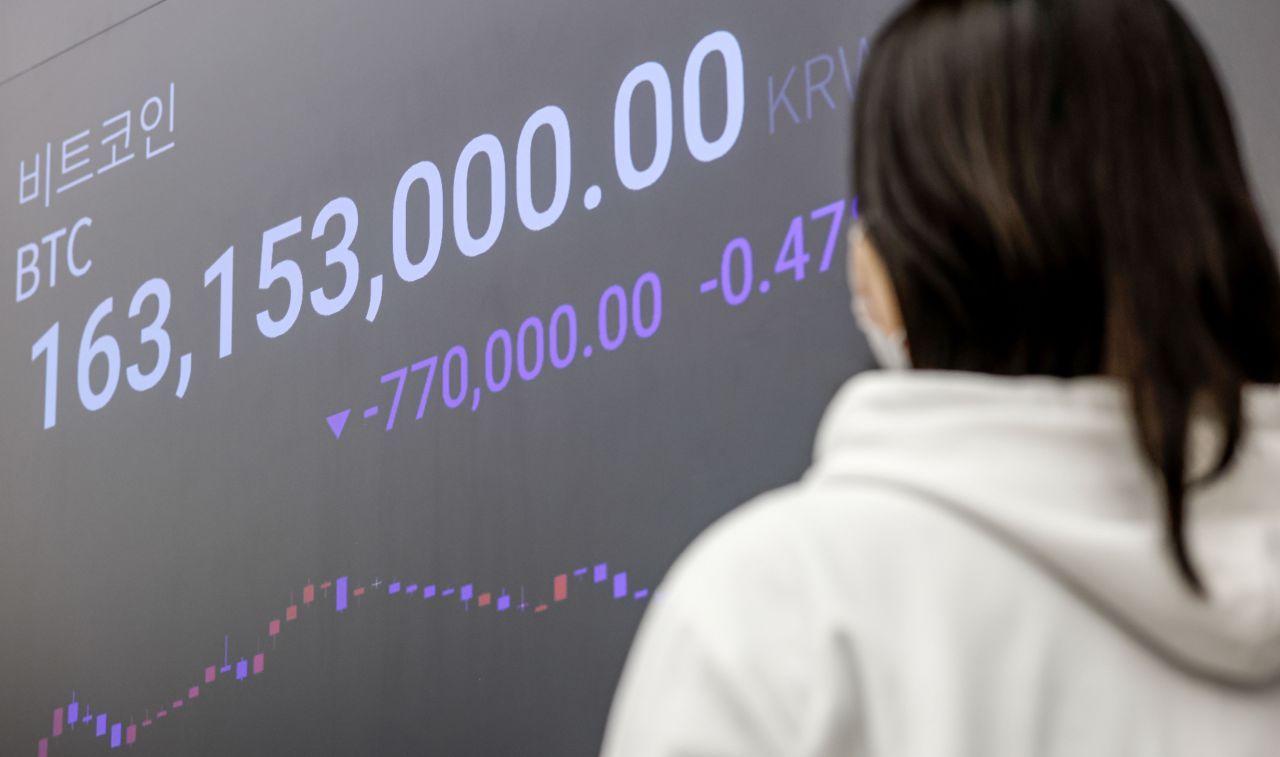
During periods like August 2020, when liquidity expansion accelerated due to the global pandemic, the hedge demand for gold inevitably shifted to Bitcoin as liquidity actually increased.
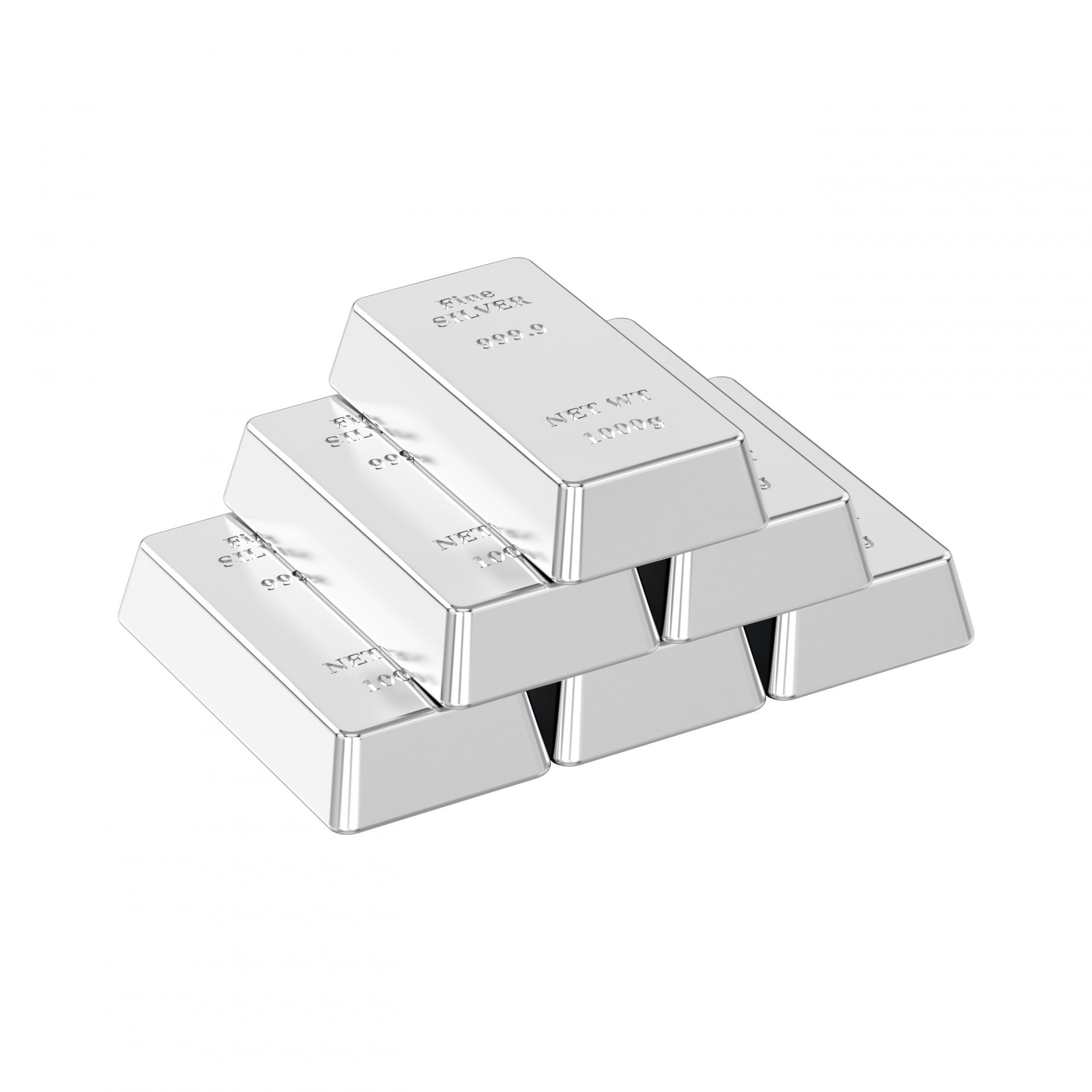
Silver and platinum, like gold, are precious metals that serve as risk hedge assets, but at the same time, they are also cyclical assets widely used for industrial purposes.
In the current situation where central banks around the world are lowering policy interest rates and liquidity is expanding, the increased liquidity plays a role in boosting the global manufacturing PMI (Purchasing Managers' Index). This is likely to lead to a rise in the prices of silver and platinum, which have high industrial demand. Getty Images Bank
Global Liquidity Expansion and Outlook
The global financial market is currently entering a phase of liquidity expansion. The People's Bank of China (PBOC) plans to inject additional liquidity, increasing from $1.3 trillion to $1.5 trillion, while the US Federal Reserve is working to ease the Supplementary Leverage Ratio (SLR) regulation to encourage investment banks to leverage between $4 trillion and $6 trillion.
Choi Jin-young, an analyst at Daishin Securities, explained, "This is the reason why the performance of silver and platinum has started to surpass that of gold amid the rebound in manufacturing," adding, "In a liquidity-driven market, the preference for safe assets weakens, making it inevitable for the price of gold, a traditional safe asset, to adjust down to $3,000 per ounce."
-

Reporter Jo Siyung ibpro@asiae.co.kr
-
Edit Bae Byoungmin wuhaha@asiae.co.kr
© The Asia Business Daily(www.asiae.co.kr). All rights reserved.
!["Please Help Us": How Much Do Those Bowing Deeply for Your Vote Really Earn? [Data Pick]](https://cwcontent.asiae.co.kr/asiaresize/323/2026052010120870131_1779239528.png)