With tightened loan conditions, strategies for applying for housing to purchase a home must be reconsidered. In the metropolitan area and regulated zones, mortgage loans are limited to a maximum of 600 million won. Multi-homeowners are completely denied home mortgage loans. Homeowners must sell their existing home within six months and move into the new home to obtain a housing loan.
# Office worker Kim Yeonsu (alias) has become increasingly concerned about applying for an apartment. Since becoming independent, she has remained without a home while raising three children, and her subscription score has surpassed 70 points, making her believe that winning a subscription for a new apartment in the Gangnam area was within reach. With a solid income, she also assumed her borrowing capacity would be sufficient. However, with the sudden implementation of the new mortgage loan regulations this week, she has had to rethink her financing strategies. As a last resort, she is even considering borrowing a large sum from her parents or acquaintances.
# After getting married, Lee Yeonsu (alias), who found a semi-jeonse rental in a new city near Seoul, is also recalculating her options. She thought that, considering a future sale, a newly built apartment in Seoul would be helpful for building assets. She was planning to take a chance on special supply, even if it meant stretching her finances, but the new loan regulations have disrupted her funding plans.
Government Mortgage Loan Regulations Intensify the Subscription War
Experts Advise Real Demand Buyers to Focus on Affordable Price-Capped Complexes
Public Housing in the Third New Towns Also Worth Considering
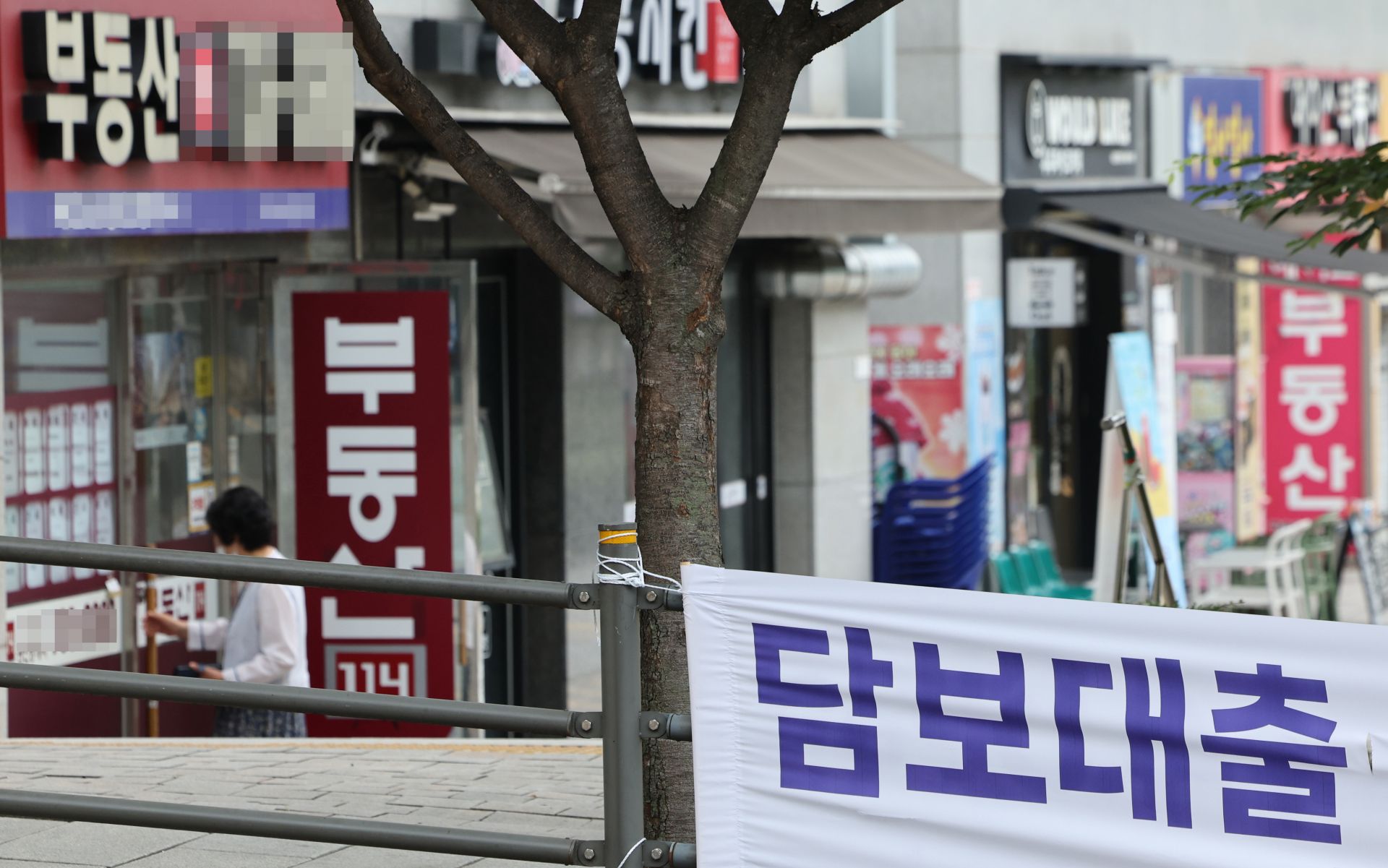
While interim payment loans are not subject to the new loan regulations, the final balance loans at move-in are now capped at 600 million won, just like mortgage loans. This applies to all complexes with tenant recruitment notices issued after June 28, when the new rules came into effect. In addition, the third phase of the Debt Service Ratio (DSR) regulation was implemented this month, further reducing the borrowing limits for most borrowers. The government's message is clear: gap investment?buying a home with a tenant in place?is not allowed, and people should give up hopes of making money through excessive leverage. Amid these stringent financial regulations, experts advise real demand buyers to pay attention to apartments with affordable sale prices.
Real Demand Shifts Focus to Price-Capped Apartments
With the new regulations increasing the amount buyers must raise on their own when purchasing a new home, apartments with lower sale prices are expected to become more popular. Even before the loan regulations, price-capped apartments built on public land were already in high demand among real buyers. According to recent data released by Zigbang, 22 price-capped complexes recorded an average first-priority subscription competition ratio of 26.2 to 1. In contrast, 50 non-capped complexes had a competition ratio of about 4 to 1, showing a significant difference. For example, in May, Dongtan2 New Town's 'Dongtan Kkumui Sup Jayeon & Daesang' received 12,315 applications for 294 units.


Among the price-capped apartments being offered this month, 'Daeyami Station Kumkang Pentarium Lake Foret' in the Gunpo Daeyami Public Housing District, Gyeonggi Province, stands out. The complex consists of five buildings, ranging from two basement floors to 27 above-ground floors, with a total of 502 units, of which 452 are for general sale.
Gyeonggi Housing & Urban Development Corporation is offering 'Godeok Jayeon & Haus D' in the Pyeongtaek Godeok District A4 Block. The complex will have seven buildings, from one basement floor to 23 above-ground floors, with a total of 517 units in 84 and 98 square meter types. KCC Construction is building 'Opus Hangang Switzen' in Gimpo Gochon, which will consist of nine buildings, from two basement floors to 25 above-ground floors, totaling 1,029 units. All units are medium to large types of 84 or 99 square meters. An industry insider said, "The advantage is that buyers can purchase at a reasonable price even as it becomes harder to secure funds due to loan regulations," adding, "Price-capped complexes will continue to attract strong demand in the second half of the year."
What About Public Housing in Major Areas of the Third New Towns?
Public housing supply in major areas such as the third new towns is also worth considering. Korea Land & Housing Corporation (LH) plans to supply about 7,700 units in the third quarter of this year. This month alone, 1,776 public housing units and 401 Newlywed Hope Town units will be supplied in Namyangju Wangsuk District. In Namyangju Jinjeop2 District, 1,175 units will be supplied, including 255 Newlywed Hope Town units. Guri Galmae Station Area will see 1,182 Newlywed Hope Town units. In Hwaseong Dongtan2 District, 610 public rental units with a six-year sale conversion option will be supplied for the first time. The sale conversion public rental system, introduced last year, allows tenants to rent for six years before deciding whether to purchase the unit.
Next month, subscription applications are scheduled for Uijeongbu Ujeong District (538 public housing units) and Gwacheon Juaam District (686 Newlywed Hope Town units). In September, supply will be offered in Wonju Musil District (295 public housing units), Namyangju Jinjeop2 District (405 public housing units), Ulsan Taehwagangbyeon District (277 public housing units), and Siheung Hajung District (390 Newlywed Hope Town units). Newlywed Hope Town is a type of housing for newlyweds, engaged couples, and single-parent families who have subscribed to the housing savings program. Rankings are determined based on income, length of residence in the area at the time of application, and the number of housing savings payments. There are income and asset criteria, and the standards are relaxed depending on the number of children, so applicants should carefully review the relevant announcements.

Since the new loan regulations apply only to complexes that issued tenant recruitment notices after June 27, those that were offered before this date are not subject to the restrictions. For these, loans exceeding 600 million won are possible, and first-time homebuyers can receive a loan-to-value (LTV) ratio of up to 80%. However, in highly preferred areas such as Seoul or new towns in the metropolitan area, the number of applicants for special supply and first or second priority subscriptions has already exceeded the available units, so even if there are remaining units, there may not be many left.
If there are unsold or canceled units, or if remaining units become available due to detected violations, non-priority applications can be submitted through the Korea Real Estate Board's subscription website, just like for regular apartments. In regulated areas, re-winning restrictions apply, and those subject to these restrictions cannot apply for subscriptions. In contrast, in non-regulated areas, there are no such restrictions, and even those previously restricted can apply. Any remaining units after this process may be offered through discretionary supply, in which case the developer may conduct its own subscription process for sale.
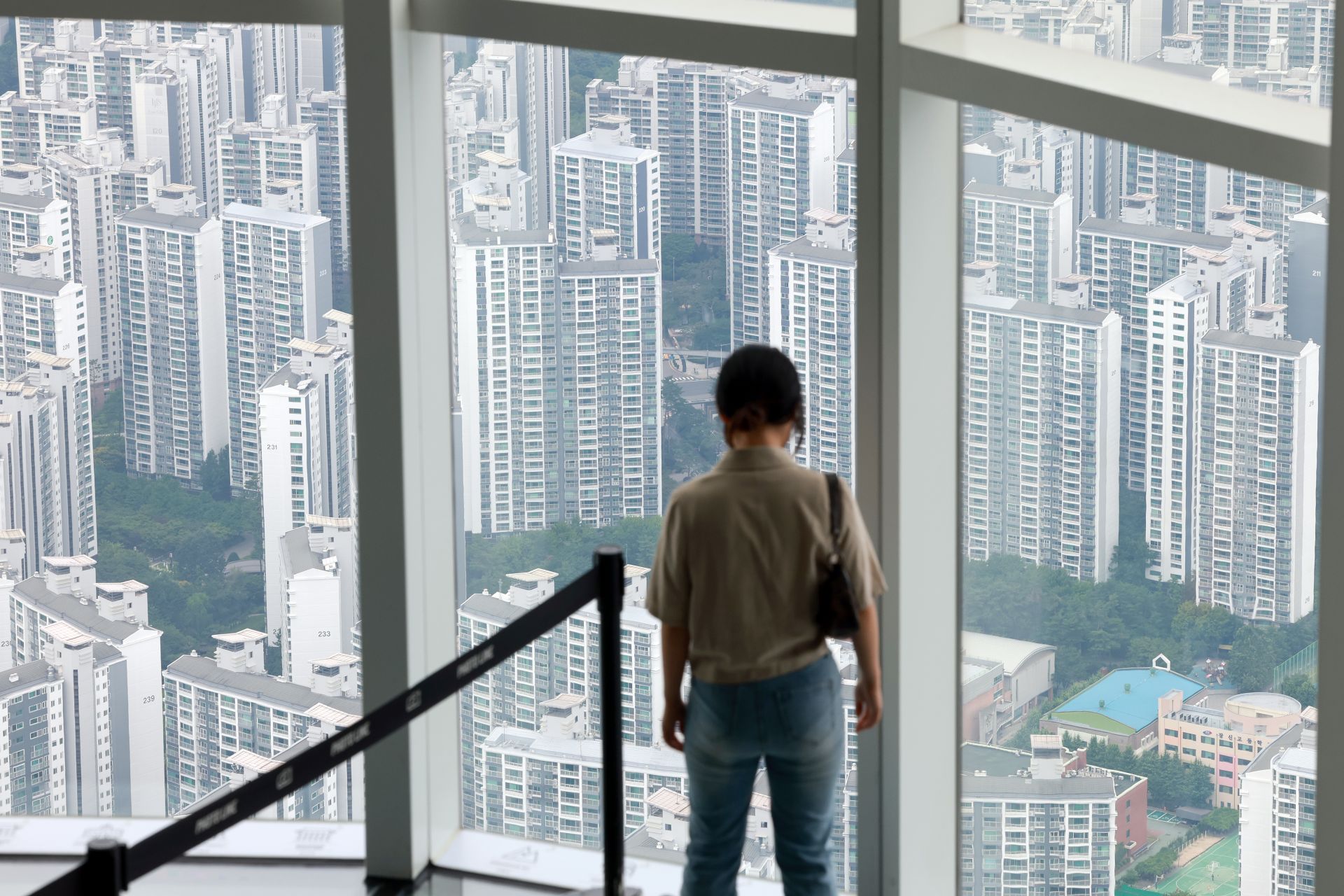
Wongap Park, Senior Specialist at KB Kookmin Bank, said, "There has been a tendency for subscription competition rates to polarize between the metropolitan area and provinces, as well as within regions of the metropolitan area. With loan regulations, this phenomenon is likely to become even more pronounced." He added, "In highly preferred areas such as Gangnam in Seoul, there are potential demanders who can independently secure funding despite loan regulations, so the 'sorting out' movement in the subscription market is expected to become more distinct."
-

Reporter Choi Daeyul dychoi@asiae.co.kr
-
Edit Choo Myeonghoon chox2mh@asiae.co.kr
© The Asia Business Daily(www.asiae.co.kr). All rights reserved.
!["Please Help Us": How Much Do Those Bowing 90 Degrees These Days Actually Earn? [Data Pick]](https://cwcontent.asiae.co.kr/asiaresize/323/2026052010120870131_1779239528.png)