Install the app on your phone, connect with transportation
With location information and Bluetooth turned on
Automatic payment when boarding the bus
With location information and Bluetooth turned on
Automatic payment when boarding the bus
by Bae Kyunghwan
by Choi Yujeong
Published 11 Jun.2025 15:28(KST)
Updated 11 Jun.2025 15:31(KST)
Seoul City will introduce a 'contactless payment system (tagless)' for city buses. This system allows passengers to board and alight without tapping a transportation card or smartphone; payment is processed automatically when passing through a dedicated gate. While the system is expected to improve convenience for transportation-vulnerable groups, there is a need for further discussion on addressing recognition errors and expanding citizen usage.
According to Seoul City and the Bus Transport Business Association on June 11, the city plans to launch a pilot project for tagless payment as early as October, targeting 36 city bus routes and a total of about 500 buses in Seoul.
Tagless is a public transportation fare payment method in which passengers are automatically charged when boarding, without having to tap a payment device on a terminal. Passengers install a dedicated application (app) with tagless functionality on their smartphone, link it to the transportation system, and pass through the gate with location information and Bluetooth turned on so that the sensor can recognize the device.
This means passengers can board and leave the bus with their smartphone in their bag or pocket. Currently, some metropolitan buses in Gyeonggi Province and some city buses in Changwon have already adopted the tagless payment method.
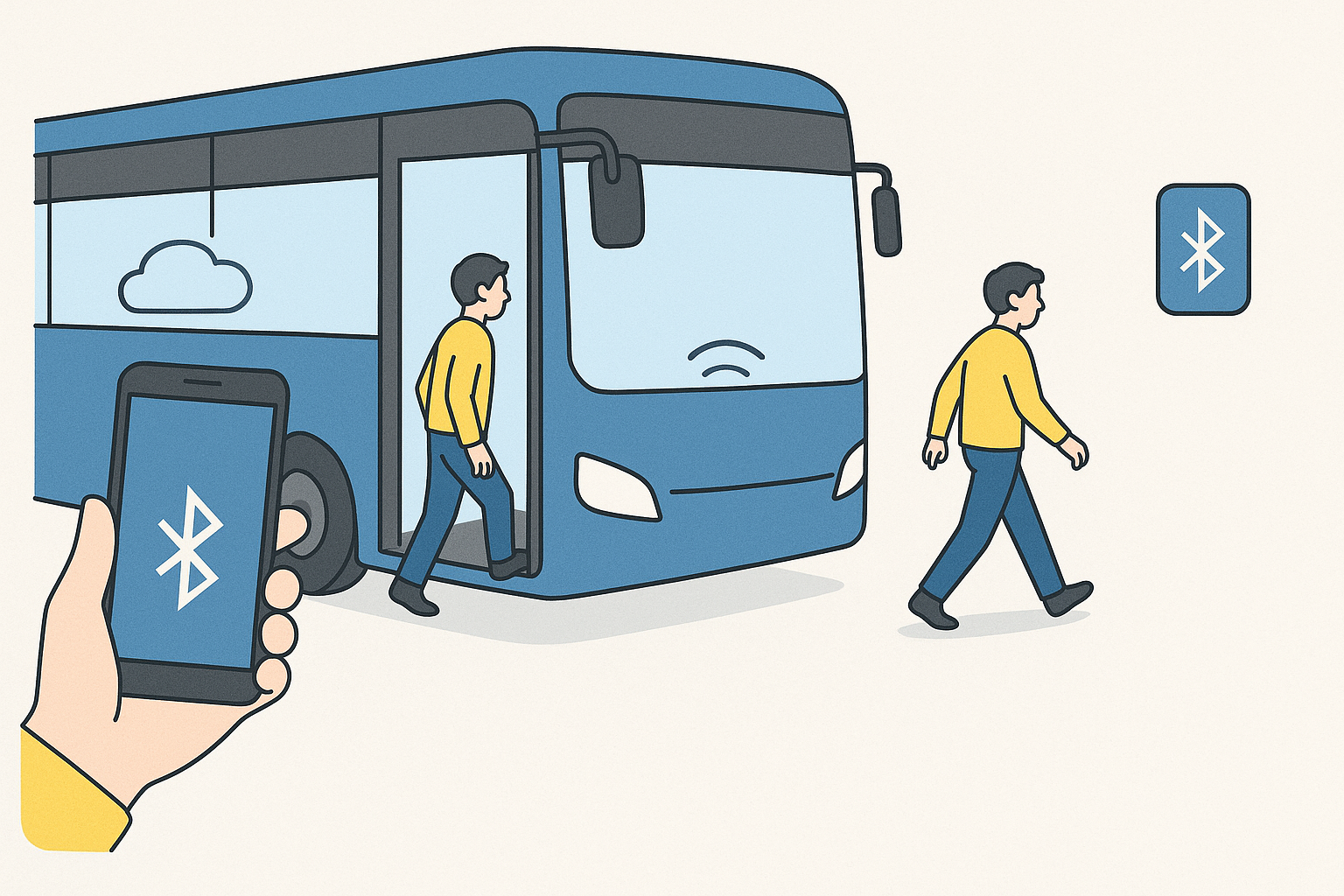
ChatGPT-4o
The tagless payment system for public transportation is one of the key projects promoted by Seoul Mayor Oh Sehoon to improve citizen convenience. In line with the growing trend of adopting tagless systems in public transportation, Seoul City has pursued the introduction of this innovative payment system to enhance convenience for its citizens. Mayor Oh also emphasized the 'introduction of tagless payment' at the Seoul City New Year's meeting earlier this year and announced plans to expand its application starting with the pilot project.
Within Seoul, the tagless system is already in operation on the Ui-Sinseol Line light rail section. In June 2024, technology verification was conducted at stations such as Yongdap, Oksu, Sadang, and Dapsimni. Internally, the city is discussing plans to expand the service to subway lines 1 through 8.
To implement tagless payment on city buses, Seoul City is discussing the scope of the pilot project with the Seoul Bus Transport Business Association. They are coordinating the installation of tagless equipment on 500 buses across 36 routes, though some project sites may change depending on factors such as passenger volume and route travel times.

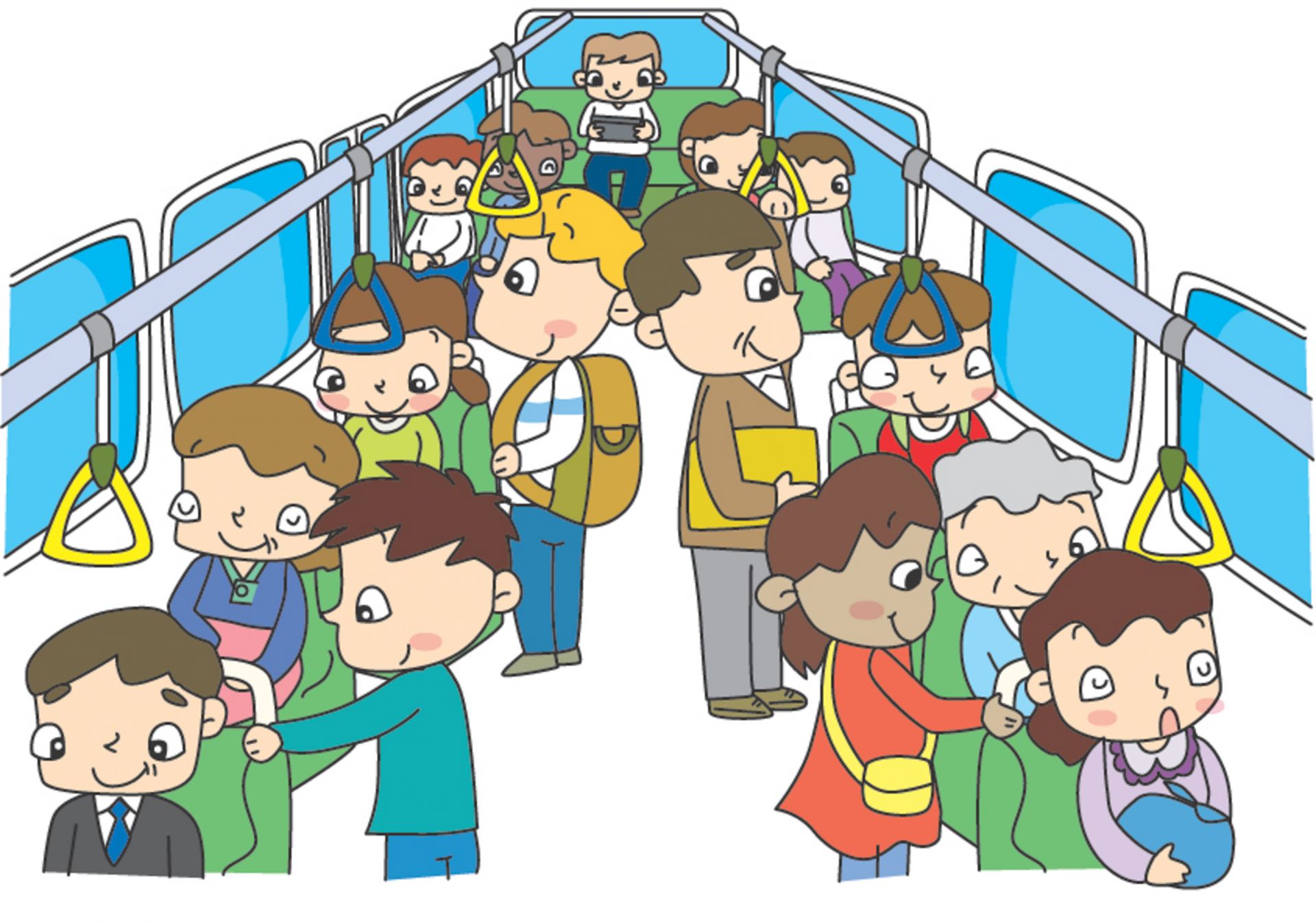
A pilot project for a contactless payment system (tagless) will begin as early as October for city buses in Seoul. The photo shows a bus stop in Seoul. Photo by Dongju Yoon
원본보기 아이콘The technical aspects of installing tagless equipment will be handled by Tmoney. The plan is to enable tagless payment simply by installing the Mobile Tmoney app. Through the pilot project, Seoul City will check scenarios involving large numbers of passengers boarding and alighting, as well as how well the tagless app on smartphones is recognized in different locations. They will also assess passenger feedback and installation and management costs to determine whether to expand the system in the future. Tmoney will cover the installation and operational costs incurred during the pilot project.
However, potential issues such as system errors will need to be continuously anticipated and managed. Unlike the subway, city buses often have many people crowded into a small space, which may reduce recognition rates, and there are frequent cases of boarding through the rear door. There is also the possibility of recognition errors with adjacent buses. Above all, since a significant budget is being invested, it is important to increase citizen usage rates. In one local government where tagless payment was introduced for subways, the usage rate reportedly did not even reach 1%, and fare evasion became an issue. A Seoul City official stated, "Through the pilot project, we plan to identify and address technical and service-related issues, creating an opportunity to improve the public transportation service system for citizens."


!["Please Help Us": How Much Do Those Bowing 90 Degrees These Days Actually Earn? [Data Pick]](https://cwcontent.asiae.co.kr/asiaresize/323/2026052010120870131_1779239528.png)