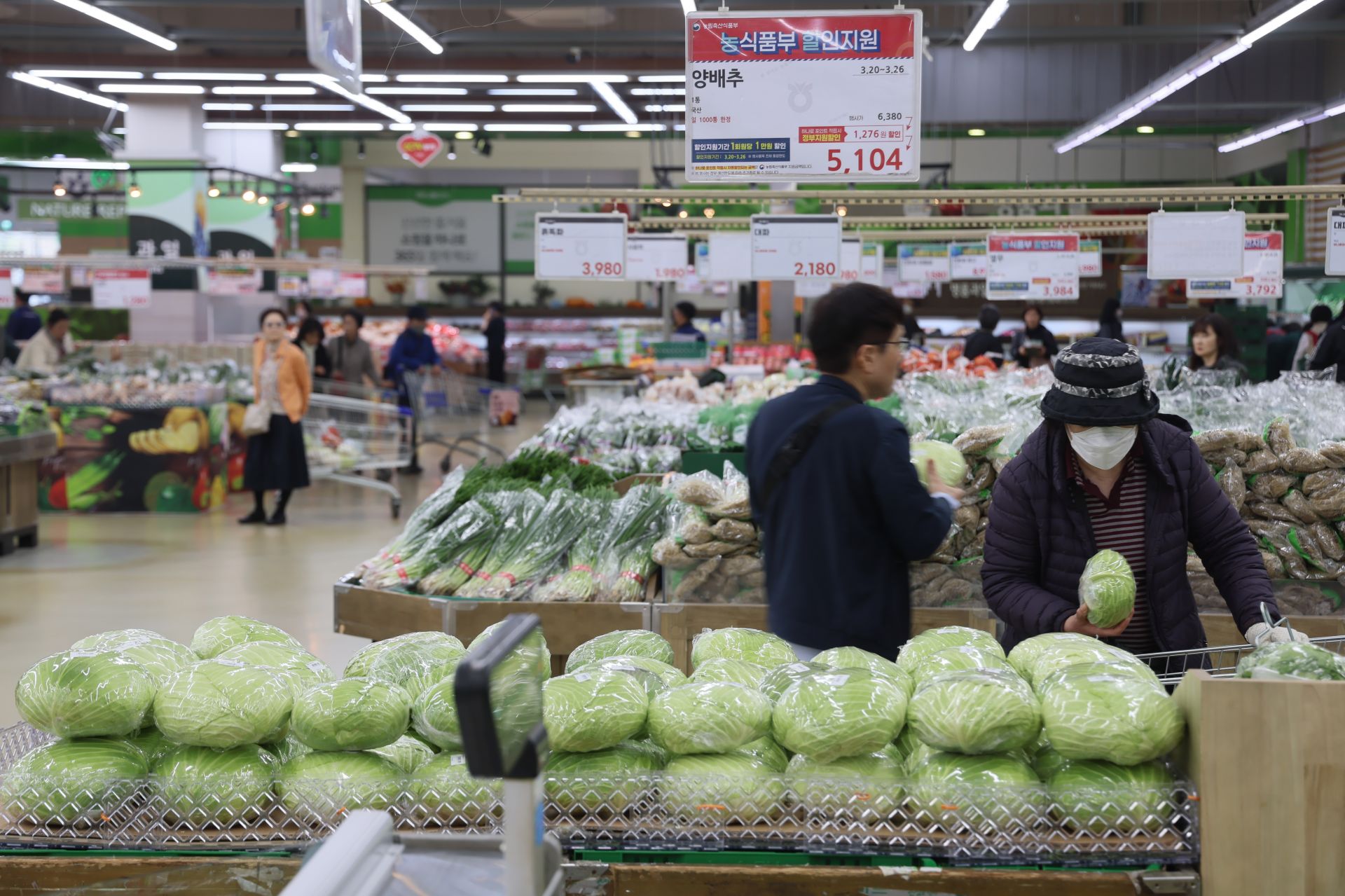

Apple -11.6%
International oil prices drop 24.2% year-on-year
Vegetable prices down 5.4%... Largest decline in 37 months
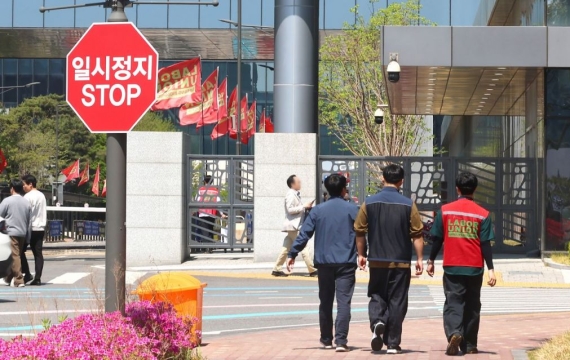
Last month, consumer prices rose by 1.9%, falling back to the 1% range for the first time in five months. This was due to improved weather conditions leading to lower agricultural product prices, and a decline in international oil prices resulting in lower petroleum product prices. However, prices for processed foods and dining out remained high.
According to the "May Consumer Price Trends" released by Statistics Korea on June 4, the consumer price index last month rose by 1.9% compared to a year earlier. The consumer price inflation rate had remained in the low 2% range from December 2024 (1.9%) through April 2025, but has now dropped to the 1% range for the first time in five months.
The continued decline in international oil prices had a significant impact on the drop in petroleum product prices. Petroleum products fell by 2.3% in May compared to the same period last year, following a 1.7% decrease the previous month. Petroleum prices had started to rise in December 2024 (1%), with the rate of increase reaching as high as 7.3% in January 2025. The upward trend continued through March, but from April (-1.7%) through last month, prices have declined for two consecutive months. Lee Dowon, Director of Economic Trend Review at Statistics Korea, explained, "In May 2024, international oil prices were $84 per barrel, but last month they dropped to $63.7, a decrease of about 24.2%. The decline in international oil prices appears to have played a major role."
The drop in the fresh food index also contributed to the 1% inflation rate. Improved weather conditions led to better harvests and increased shipments of vegetables and other produce. The fresh food index fell by 5.0% compared to a year earlier. After declining by 1.4% in February, the rate of decrease remained in the 1% range, but the drop widened last month. While the fresh fish and seafood index, which includes fish and marine products, rose by 5.4%, the fresh vegetable and fresh fruit indices fell by 5.5% and 9.7%, respectively. However, the fresh fruit index reflected a base effect from a significant increase in the previous year.
Breaking down agricultural, livestock, and fisheries products, vegetable prices fell by 5.4% year-on-year, the largest drop in 37 months since April 2022 (-5.4%). Compared to the previous month, vegetable prices dropped by 12.1%. As a result, agricultural product prices overall fell by 4.7% compared to the same period last year.
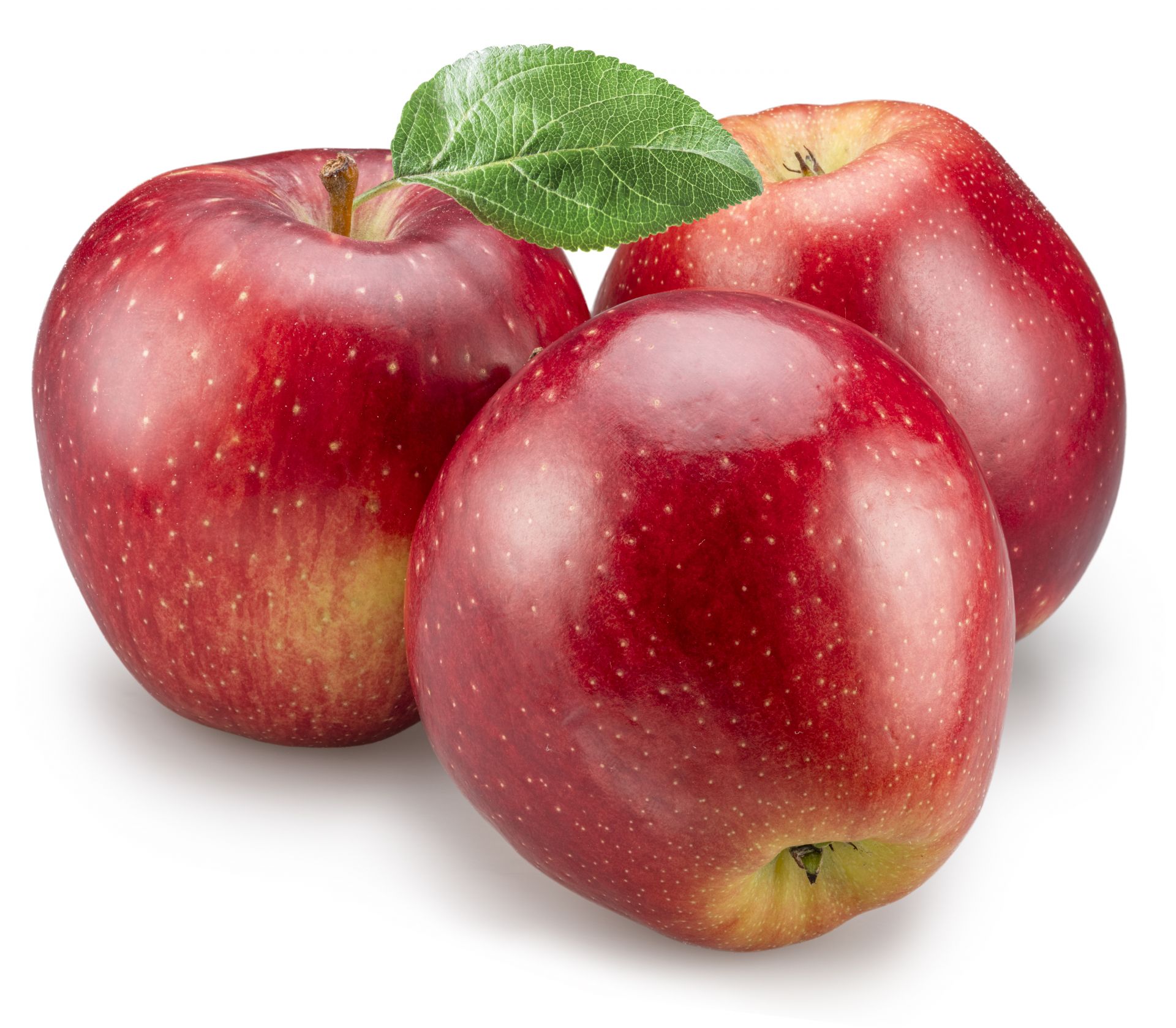

Korean Melon -27.3%
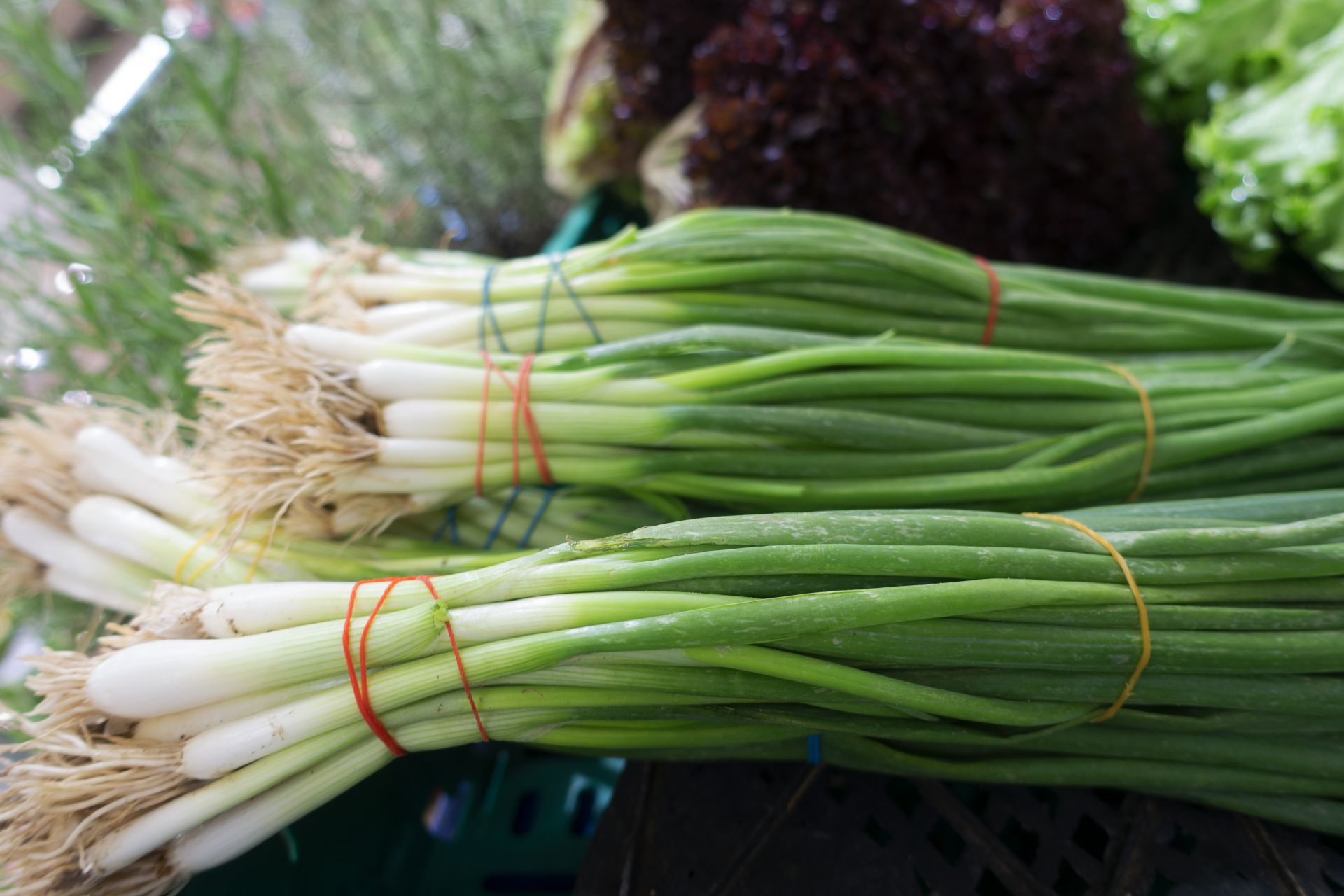
Green Onion -33.4%
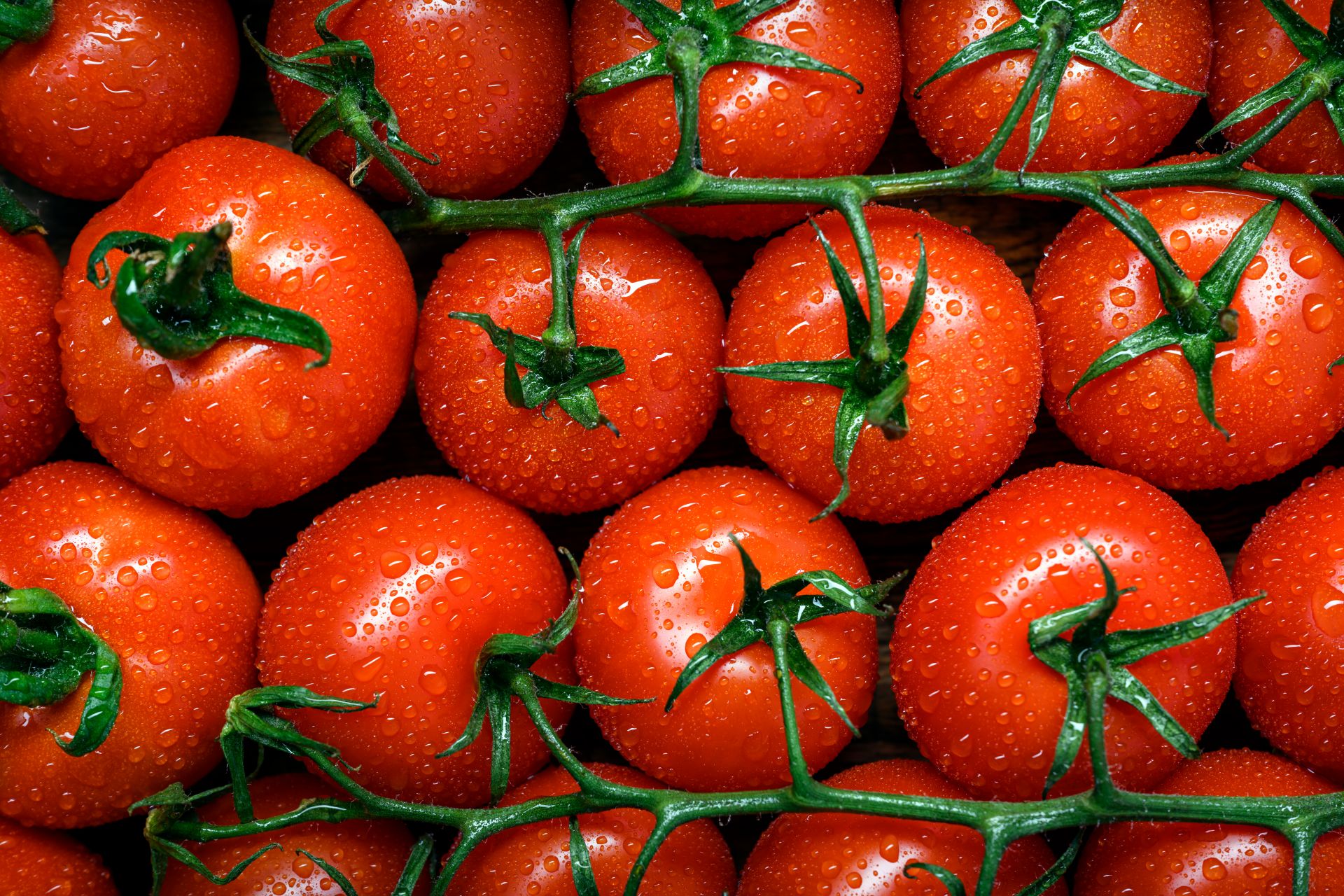
Tomato -20.6%
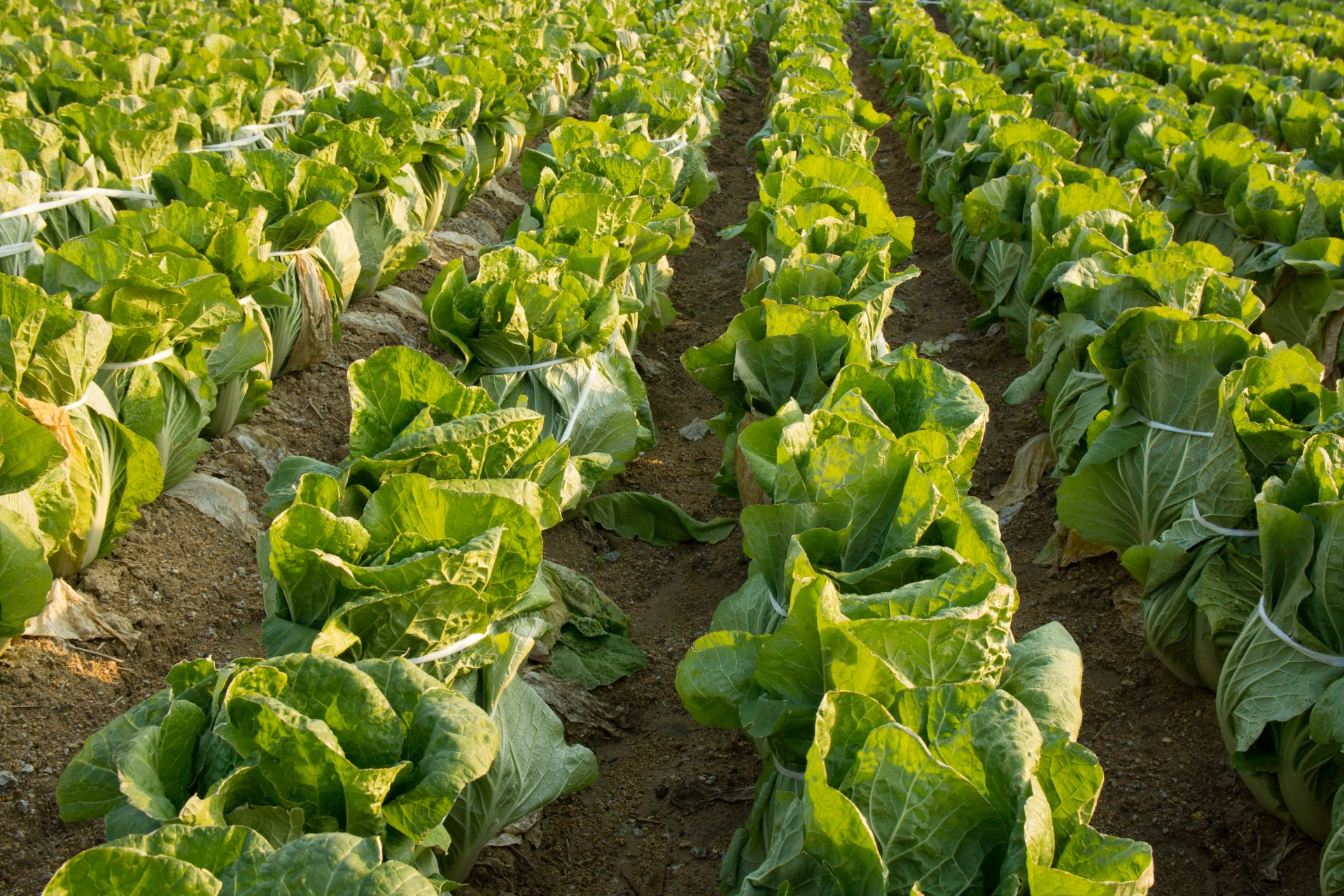
Cabbage -15.7%
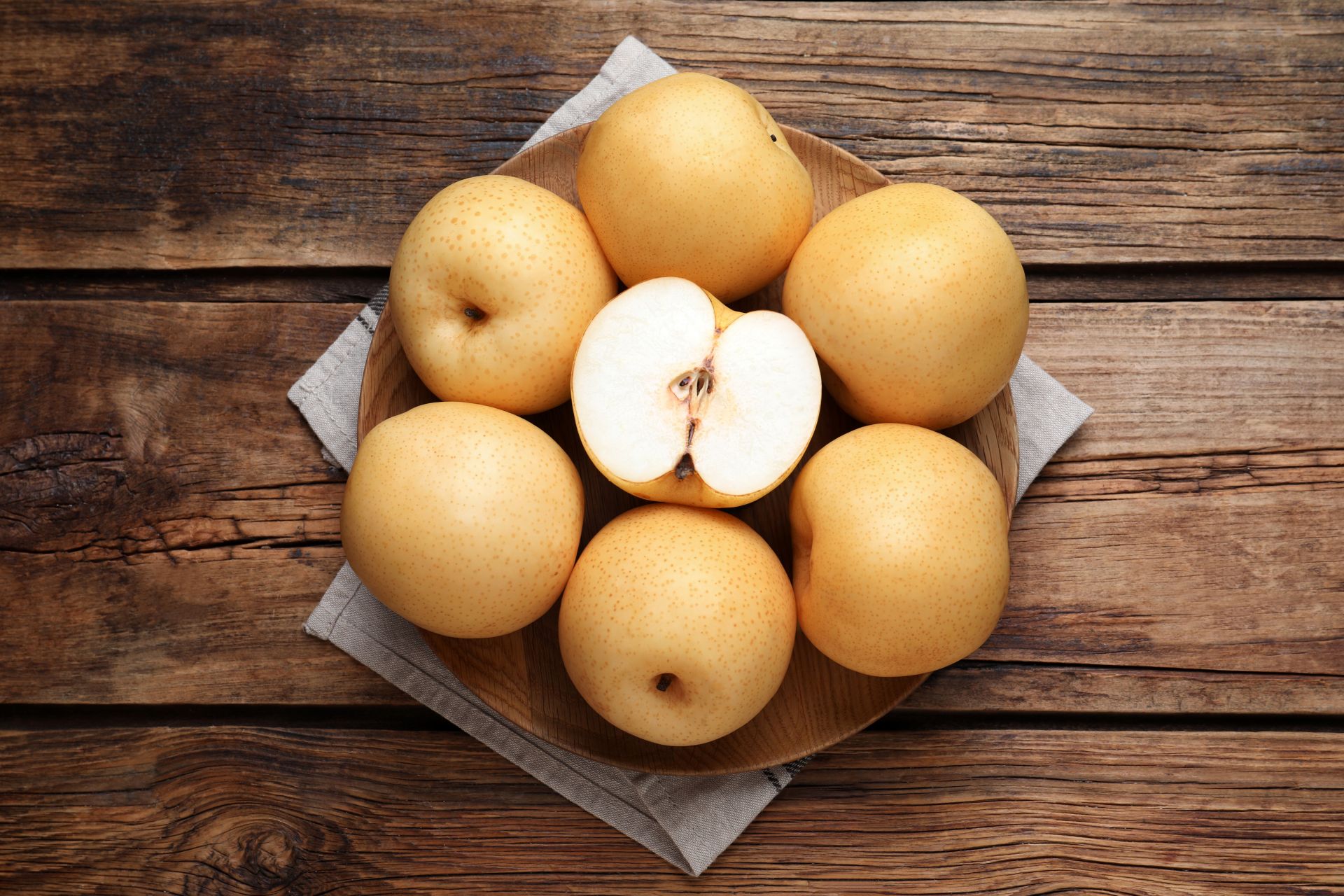
Pear -14.4%
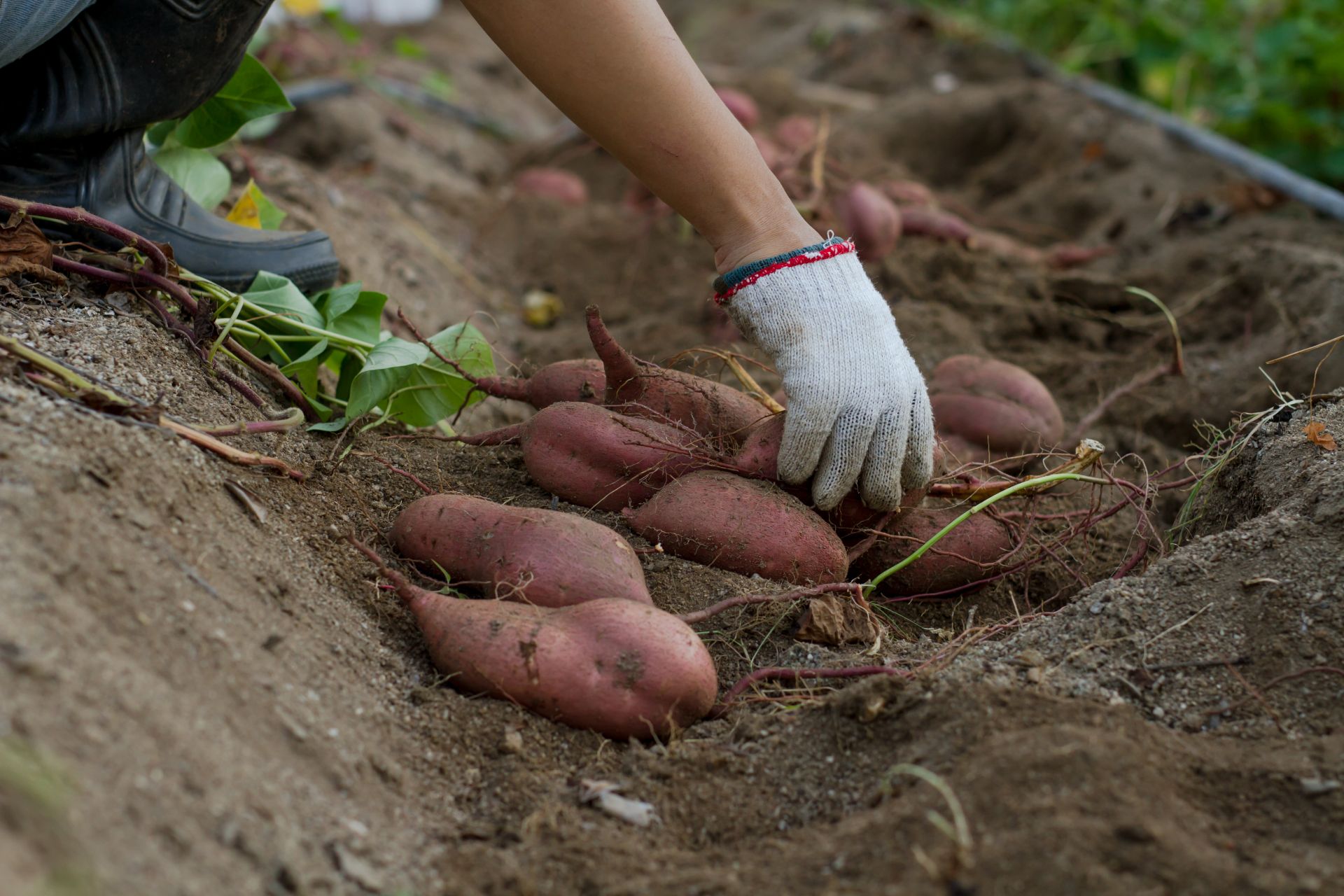
Sweet potato showed a notable decline of 8.7%.
Livestock and fisheries prices remain high... Processed food prices rise due to increased costs for food companies
However, livestock prices rose by 6.2% year-on-year, and fisheries prices increased by 6.0%. For livestock products, this was the largest increase in 2 years and 11 months since June 2022 (9.5%). In particular, prices rose for pork (8.4%) and domestic beef (5.3%), among other items. Director Lee explained, "The price of imported pork has risen, and the number of cattle slaughtered has decreased, causing beef prices to go up. As a result, the price of chicken, a substitute, has also been rising for several months."
On the other hand, processed food prices continued their upward trend, recording a 4.1% increase, the same as the previous month. This was the largest increase in 16 months since December 2023 (4.2%). The rate of increase in dining out prices was also the same as the previous month, marking the highest level in 14 months since March 2024 (3.4%). Lim Hyeyoung, Director of Price Policy at the Ministry of Economy and Finance, explained, "Recently, food companies have faced increased cost burdens due to rising prices of raw materials and exchange rates, making price increases inevitable."
The core inflation index, which excludes items with large price fluctuations, also continued to rise at a rate in the 2% range. The OECD-style index, which excludes food and energy, rose by 2.0%. This marks the second consecutive month in the 2% range, following a 2.1% increase the previous month. The domestic-style index, which excludes agricultural products and petroleum, rose by 2.3%, continuing a three-month streak in the 2% range since March (2.1%).

The living cost index, which closely reflects perceived inflation due to the high frequency of purchases, rose by 2.3%, slightly lower than the previous month's 2.4%. However, when looking only at food, the index rose by 3.0%, following a relatively large increase compared to the previous month's 3.3%. The increase for non-food items was 1.9%. The living cost index, including rent, stood at 2.1%, the same as the previous month.
The government plans to closely monitor supply and distribution conditions for items with high price volatility, such as agricultural, livestock, and fisheries products, and to respond quickly with measures as needed. Director Lim stated, "To ease cost burdens for the food industry, the government is providing fiscal and tax support such as applying quota tariffs to food raw materials and exempting import value-added tax. Even if there are cost increases, we will continue to consult with the industry to minimize the rate of price hikes."
-

Reporter Lee Eunjoo golden@asiae.co.kr
-

Reporter Kim Pyeonghwa peace@asiae.co.kr
-
Edit Kim Hyunhee faith100@asiae.co.kr
© The Asia Business Daily(www.asiae.co.kr). All rights reserved.
!['WHO Declares International Public Health Emergency' Why the Untreatable 'Variant Ebola' Is More Deadly Than COVID-19 [Reading Science]](https://cwcontent.asiae.co.kr/asiaresize/323/2026052110164072055_1779326201.png)
!["Please Help Us": How Much Do Those Bowing 90 Degrees These Days Actually Earn? [Data Pick]](https://cwcontent.asiae.co.kr/asiaresize/323/2026052010120870131_1779239528.png)