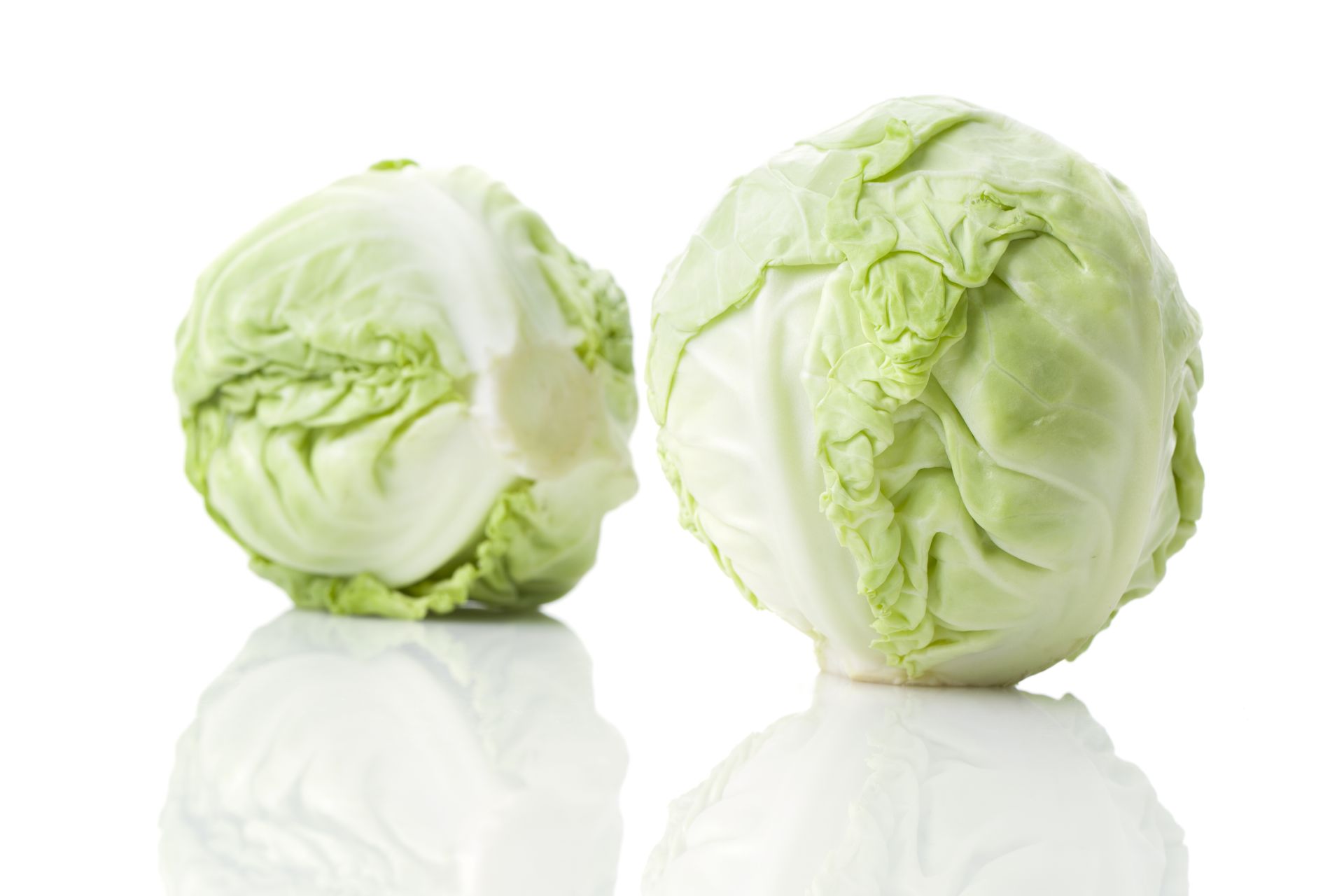
The item with the highest increase is cabbage. The import value of cabbage soared to $6.08 million (19,989 tons), rising more than 13 times.
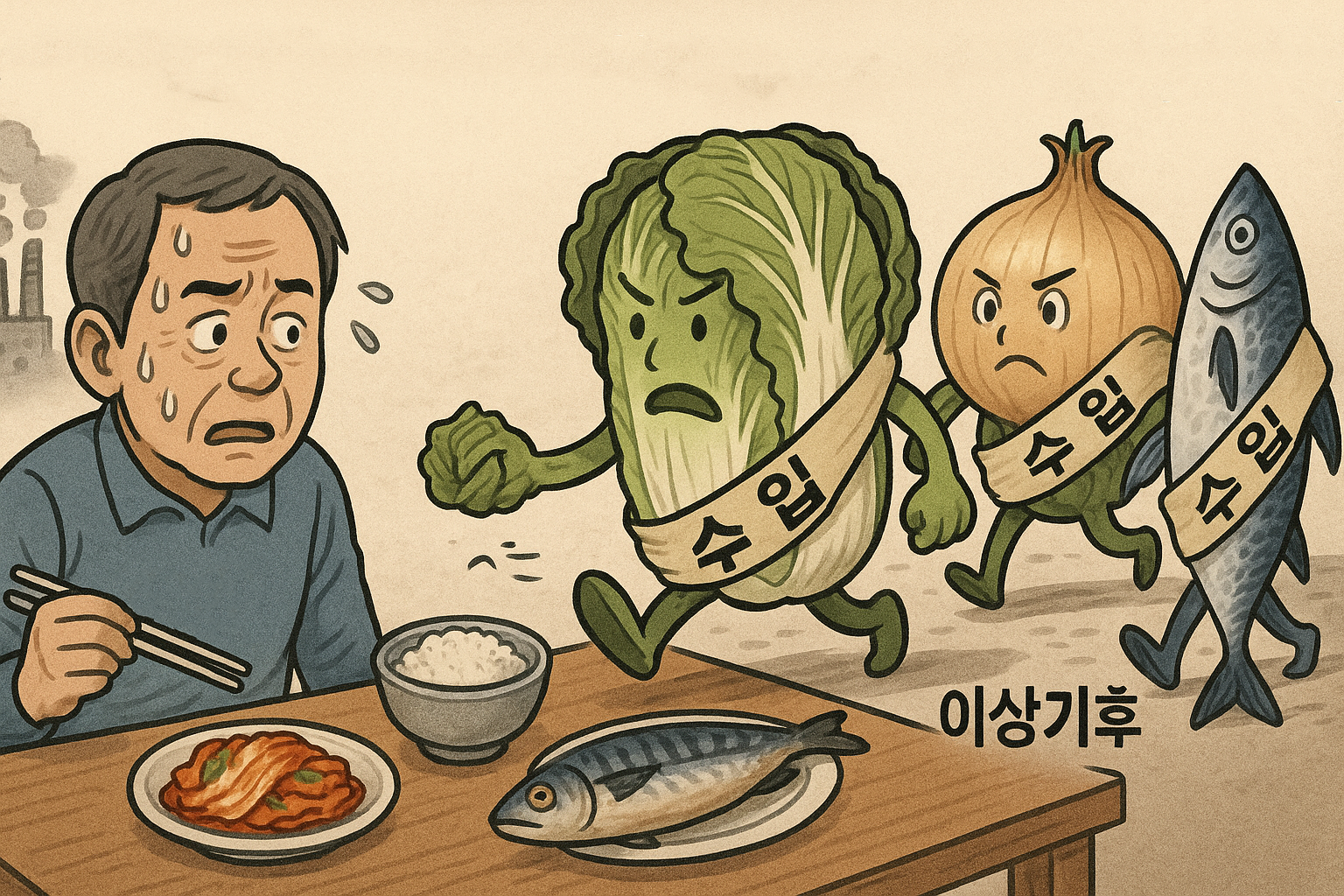
Imported foods are rapidly taking over Korean dining tables. Amid prolonged high inflation and abnormal weather conditions, imports have surged not only for napa cabbage, which has seen reduced production, but also for vegetables such as cabbage and onions, as well as mackerel. The government's policy of expanding the list of items eligible for quota tariffs to stabilize prices has further fueled imports.

Prices of vegetables such as cabbage, radish, and carrots are rising one after another, turning concerns about food costs into reality. On the 24th, cabbage was displayed at Yangjae Hanaro Mart in Seoul. The selling price of cabbage is 6,380 won, but with government support, it is being sold at 5,104 won. Photo by Yoon Dongju
원본보기 아이콘Over 90% of Imported Vegetables Come from China
According to the Korea Trade Statistics Promotion Institute and the Ministry of Food and Drug Safety on May 21, the volume of imported food from January to March this year reached $8.669 billion (4.707 million tons), an increase of 3.5% compared to the same period last year. In particular, the increase in imports of agricultural and marine products drove the overall growth.
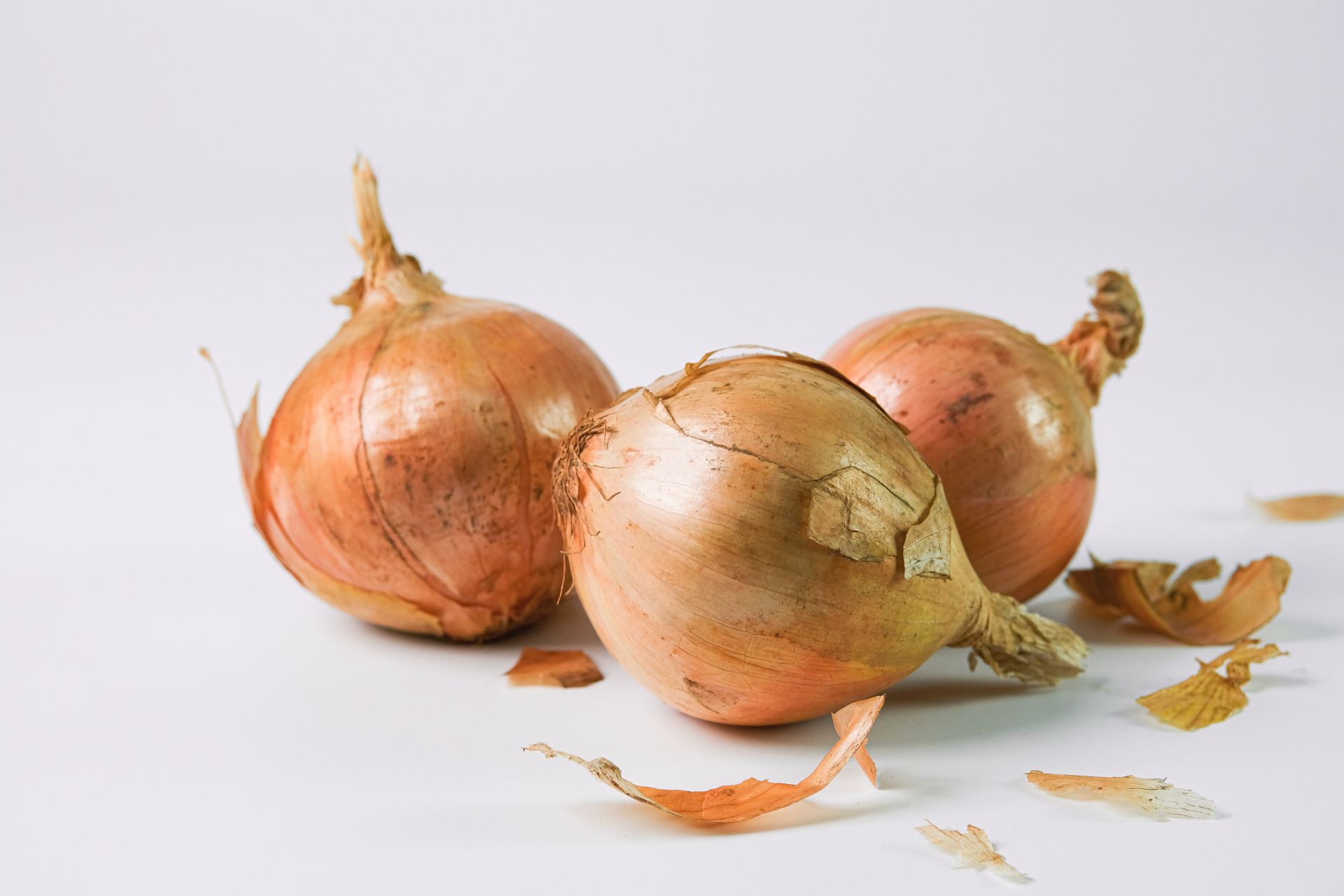
Onions also surged more than twice, from 5.52 million dollars (14,509 tons) to 12.82 million dollars (42,678 tons).
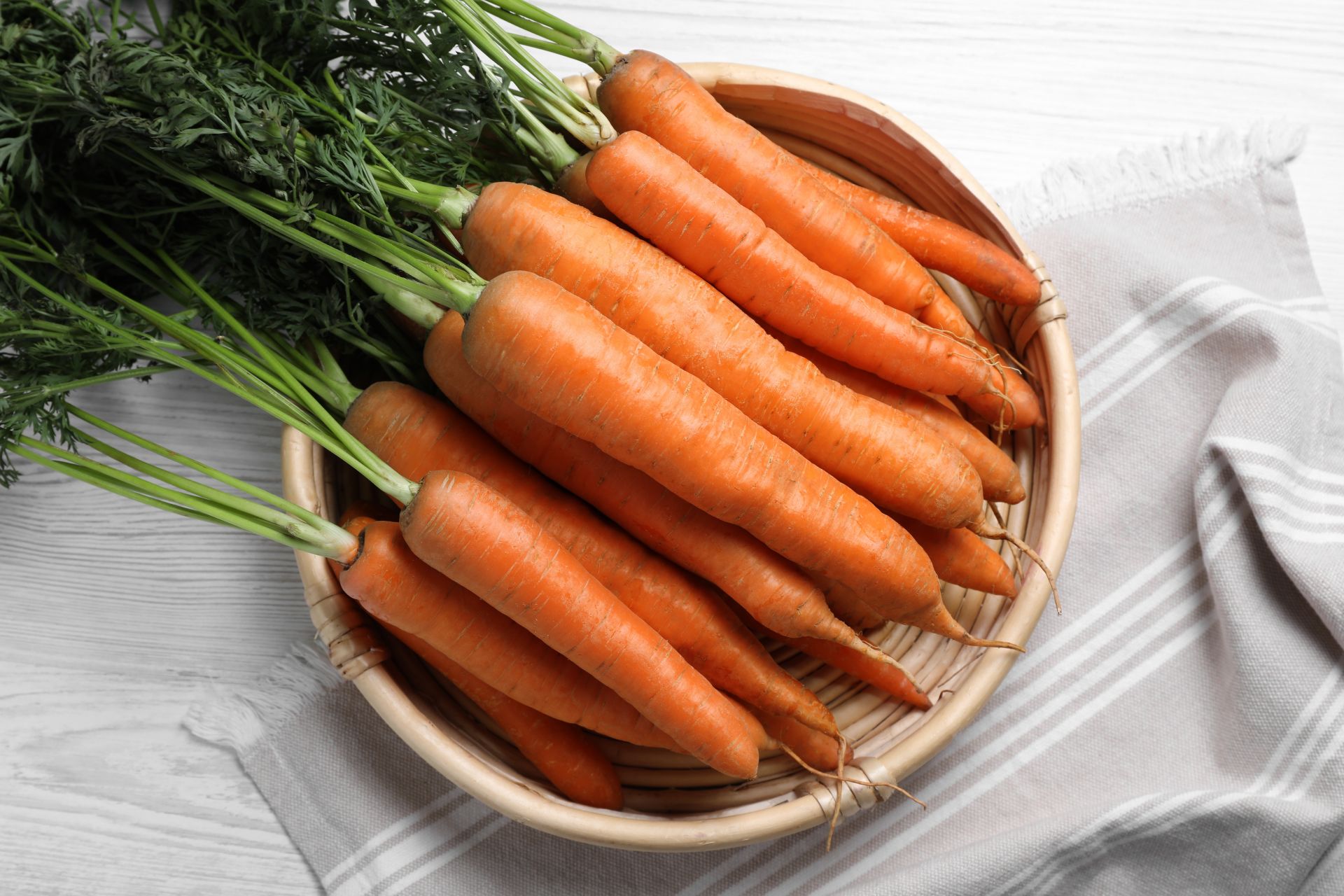
Carrots increased by more than 30% to $12,830 (29,917 tons) from $9,840 (25,153 tons) the previous year.
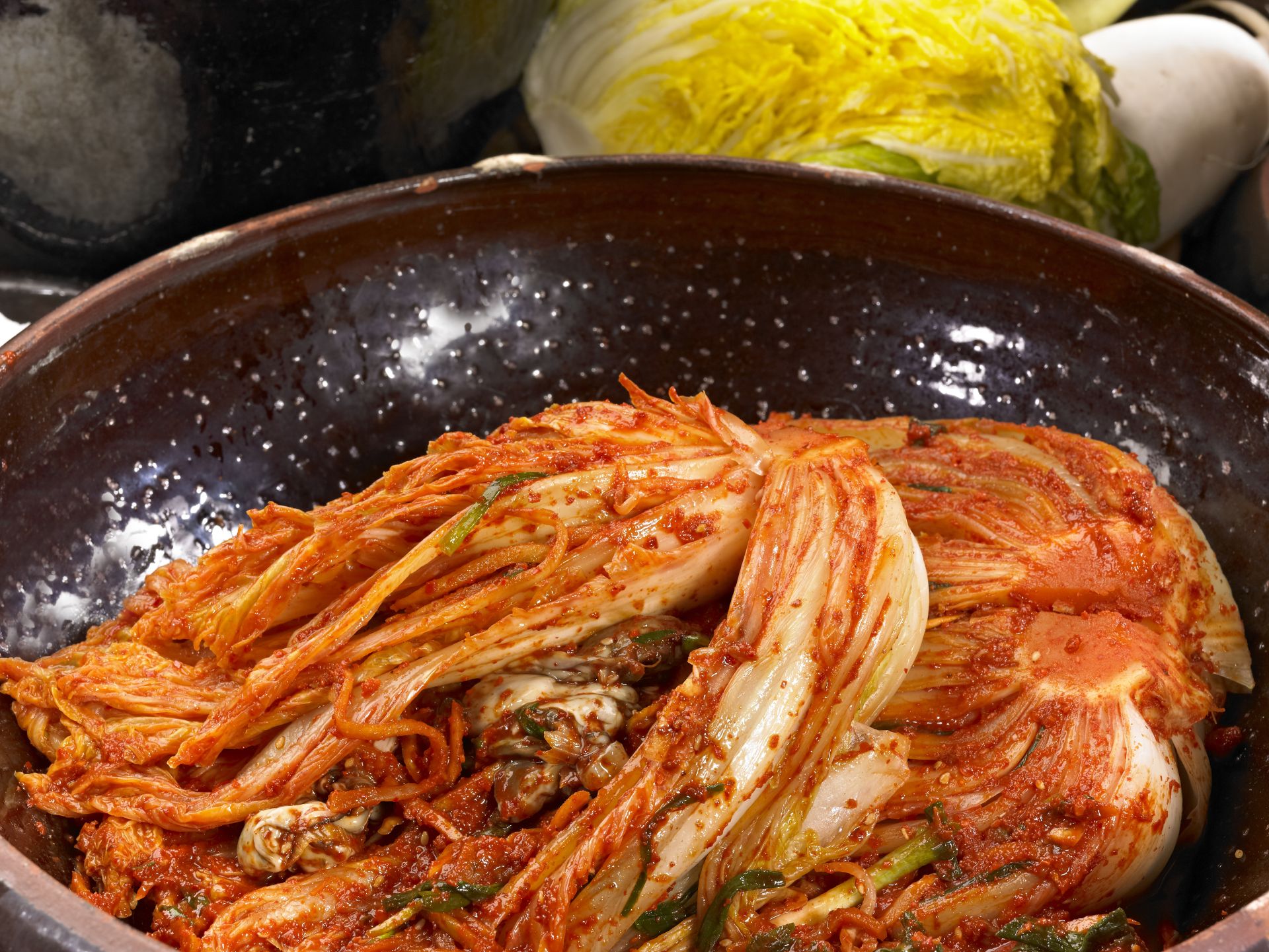
Kimchi import value also increased by 17% to 47.56 million USD (89,700 tons) compared to the previous year (40.74 million USD, 73,515 tons).
More than 90% of vegetable imports are from China.
The main reason cited is the poor harvest of domestic napa cabbage, cabbage, and radish due to unusually high temperatures in the fall and a cold snap in the winter last year. As prices soared, the government applied quota tariffs to these items to stabilize prices and increased import volumes. For four items?napa cabbage, radish, cabbage, and carrots?the tariff rate was reduced to 0% until last month.

Onions are subject to a tariff rate of 135%, but the government expanded supply by introducing a low-tariff quota of 20,645 tons at a 50% rate by early last month. Until now, the government has maintained high tariffs on key crops such as napa cabbage, radish, and onions to mitigate price shocks through market opening. Carrots and radishes have been subject to a 30% tariff, while napa cabbage and cabbage have had a 27% tariff. From January to March this year, the price of cabbage rose by more than 60% compared to the previous year. The prices of onions and carrots also increased by 80% and 20%, respectively.
Sesame seeds are no exception. The import value of sesame seeds jumped from $26.02 million (11,230 tons) to $39.38 million (18,829 tons). Widely used in kimchi and namul dishes, sesame seeds have seen a 10% increase in domestic prices recently, leading to greater import dependence.
Among marine products, the import value of mackerel, a staple side dish, increased by more than 55%, from $36.49 million (16,399 tons) to $67.89 million (25,454 tons). Norway is the main supplier of imported mackerel, and as domestic catches have declined, imported mackerel with price competitiveness is rapidly gaining ground.
Kimchi Imports Hit All-Time High... Trade Deficit for Three Consecutive Years

As the price of domestically produced napa cabbage rose, the price of kimchi also increased accordingly. According to last month's Consumer Price Trends from Statistics Korea, napa cabbage rose by 15.6% and kimchi by 20.7% compared to the same month last year, while kimchi imports in the first quarter also reached a record high. On the 18th, domestically produced kimchi was displayed at a supermarket in Seoul. Photo by Yonhap News
원본보기 아이콘During this period, kimchi imports reached an all-time high. In the first quarter, the value of kimchi imports was $47.56 million (about 67 billion won), up 16.7% from $40.75 million a year earlier. The import volume of kimchi increased by 10.1% to 80,970 tons. Due to the high exchange rate, the growth rate of import value outpaced that of volume. Last year, kimchi imports also reached a record high. However, if the current import trend continues in the first quarter of this year, kimchi imports are expected to surpass last year's record.
As imports have outpaced exports, the kimchi trade deficit has widened. Last year, exports reached a record high of $163.57 million (about 230 billion won), up 5.1%. However, as imports increased even more sharply, the trade deficit continued for the third consecutive year since 2022. In particular, last year's deficit was $26.29 million, 3.3 times higher than the previous year's $7.98 million. In 2021, when the "naked kimchi" scandal broke out after a video showed Chinese workers salting kimchi naked in a massive pile of napa cabbage, there was a trade surplus.
The Ministry of Food and Drug Safety explained, "A combination of factors, including reduced domestic production, poor harvests due to abnormal weather, and rising international grain prices, have all played a role," adding, "As the government applies quota tariffs, import volumes are increasing rapidly."
Soaring Prices Lead to Abandonment of Domestic Produce... Food Service Industry Shifts to Imports
With vegetable prices remaining high, the distribution industry is also turning to imports. A representative from a major supermarket said, "As domestic vegetable prices have soared, there has been an increase in bundling and selling Chinese cabbage and carrots," adding, "This is a strategy tailored to consumer demand for cost-effectiveness."
The food service industry is also rapidly shifting to imports. A representative from a Korean set menu restaurant that uses kimchi stated, "With domestic prices rising too much, some menu items are being replaced with imported kimchi." The food ingredient distribution industry is also increasing its use of imported agricultural products.
The expansion of imported food consumption is closely linked to price-driven consumer sentiment. An official from the Ministry of Food and Drug Safety analyzed, "With the economic slowdown, there is a growing emphasis on affordability and convenience, leading to a steady increase in demand for imported foods."

Imported food products are rapidly taking over Korean dining tables. Amid prolonged high prices and abnormal weather conditions, imports have surged not only for vegetables such as cabbage, which has seen reduced production, cabbage, and onions but also for mackerel. Getty Images Bank
원본보기 아이콘Experts warn that while expanding imports may be effective for short-term price control, it could undermine the foundation of domestic agriculture in the long run. A representative from the Korea Rural Economic Institute said, "Repeated use of quota tariffs increases import dependence and weakens the production motivation of domestic farmers."
There are also calls to pay closer attention to the hygiene and quality of imported foods. In the case of imported vegetables, issues such as pesticide residues and foreign matter contamination have been repeatedly pointed out, highlighting the need for more precise inspections and stronger post-import management.
According to data from the Ministry of Food and Drug Safety, in the first quarter, 303 cases (1,288 tons) of imported foods were found non-compliant, accounting for 0.03% of total imports. The main reasons were violations of standards and specifications (25.2%), improper use of food additives (22.3%), and excessive pesticide residues (21.9%). In fact, some imported cabbages and onions from China were found to have excessive pesticide residues. The government plans to respond by adjusting the inspection ratio for items with increased imports and strengthening inspection standards.
!["Please Help Us": How Much Do Those Bowing 90 Degrees These Days Actually Earn? [Data Pick]](https://cwcontent.asiae.co.kr/asiaresize/323/2026052010120870131_1779239528.png)