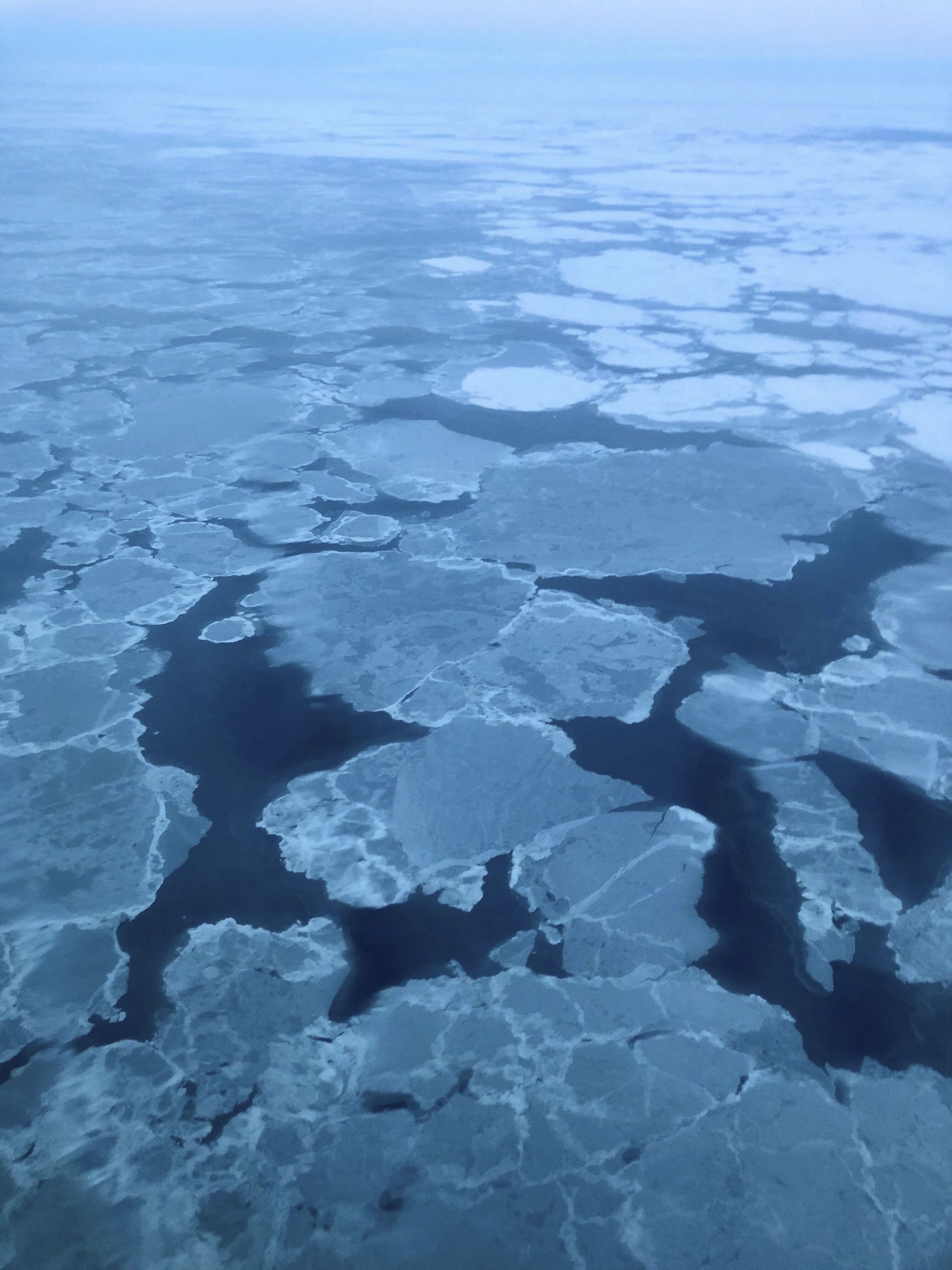
Mid-sized steel companies such as Seah Steel and Dongkuk Steel are exploring the possibility of participating in the Alaska liquefied natural gas (LNG) project in the United States. Although there are concerns about the project's profitability due to the need to transport LNG over a 1,300-kilometer land route, these companies believe that the ongoing restructuring of the global energy supply chain could actually present new opportunities for them.
Opportunities for Orders of Steel Pipe Products in the Global Energy Supply Chain
According to industry sources on April 22, Seah Steel is the most proactive among domestic steelmakers regarding the Alaska LNG project. Lee Hwiryung, Vice Chairman and CEO of Seah Steel, described the potential for cooperation during Alaska Governor Mike Dunleavy’s visit to Korea last month as a "good opportunity," stating that the company would participate if the project materializes. He is the first top executive in the Korean steel industry to publicly express interest in participating in the Alaska LNG project.

This project involves transporting natural gas drilled from gas fields in northern Alaska via pipeline to Nikiski in the south, a distance of 1,300 kilometers, and then exporting it to Asian countries such as Korea, Japan, and Taiwan. The total project cost amounts to $44 billion (approximately 62 trillion won). Full-scale exports are expected to begin in 2031. Once the gas pipeline is established in Alaska, the LNG shipping time to Korea is expected to be about one week. Considering that it currently takes three weeks to transport LNG from the large reserves in Texas to Korea, the shipping period would be reduced to one-third.
Seah Steel CEO Lee Hwiryung Proactive - Dongkuk Steel Shows Positive Response
Seah Steel is showing strong interest in the project because of its strengths in manufacturing high-strength and corrosion-resistant steel pipes. The LNG project will require a large volume of high-performance steel products such as steel pipes for gas pipelines, heavy plates for storage tanks, and steel materials for LNG carriers, and the company believes it has a competitive edge in the key area of steel pipes.
Seah Steel has reportedly strengthened its local pipe dealer network and supply chain in line with the expansion of energy infrastructure investment in the United States. The company also has experience executing multiple global projects, including the Willow Project and Coyote Project in the U.S., as well as Sabine Pass LNG and Corpus Christi LNG. Seah Steel has also participated as a steel pipe supplier in global projects such as LNG Canada, Mozambique LNG, and the Qatar LNG project, which is the world’s largest single LNG project.
The Alaska LNG project aligns with Seah Steel’s strategy of expanding participation in the global energy infrastructure supply chain. In 2022, Seah Steel invested about $100 million in its U.S. subsidiary, Seah Steel USA, to strengthen its production capacity for tubing and line pipes, and has continued to expand its dealer network in North America.
Industry insiders believe that participation in the Alaska LNG project could serve as a catalyst for expanding involvement in the global supply chain. An industry official said, "A wide range of steel products from the industry, including steel pipes, heavy plates, and high-grade steel for storage tanks, can be used directly or indirectly," adding, "A strategic approach is needed as both a consumer and a supplier."

Dongkuk Steel is also reportedly showing a positive response to the Alaska LNG project. Although Dongkuk Steel is well known for its color-coated steel business, it produces pipes for energy and plant use through its steel pipe division. As the company is currently focusing on securing new demand in the North American market, it is assessed to have ample opportunity to participate depending on the specific business conditions of the project.
POSCO and Hyundai Steel Cite "Profitability" ... Still Taking a Cautious Approach
In contrast, Korea’s top two steelmakers, POSCO and Hyundai Steel, are taking a cautious stance toward the Alaska LNG project. Kim Kwonjong, head of the Energy Policy Group at POSCO International, said at the "Energy Innovation Forum" hosted by the American Chamber of Commerce in Korea (AMCHAM) recently, "It is still too early to say whether we will participate," adding, "We will have more to discuss once we confirm the details through the government." A Hyundai Steel official also commented, "There have been no concrete discussions yet," declining to elaborate further.
These companies are emphasizing the risks associated with the Alaska LNG project. The main concern is the lack of guaranteed profitability. They are also mindful of the fact that global energy giants such as ExxonMobil and BP previously participated and then withdrew from the project. The absence of a designated project lead is cited as another reason why detailed review is difficult at this stage. An industry official stated, "For large international projects, contract terms are only determined once the lead company is confirmed," adding, "It is a time to closely monitor market developments."
-
Reporter Cho Seongpill gatozz@asiae.co.kr
-

Reporter Jang Heejun junh@asiae.co.kr
-
Edit Lee Kijae happylee17@asiae.co.kr
© The Asia Business Daily(www.asiae.co.kr). All rights reserved.




![[Culture Interview] "Unifying the Fragmented Music Market... Super Fans Are the Next Competitive Edge"](https://cwcontent.asiae.co.kr/asiaresize/304/2026042817051344090_1777363513.jpg)