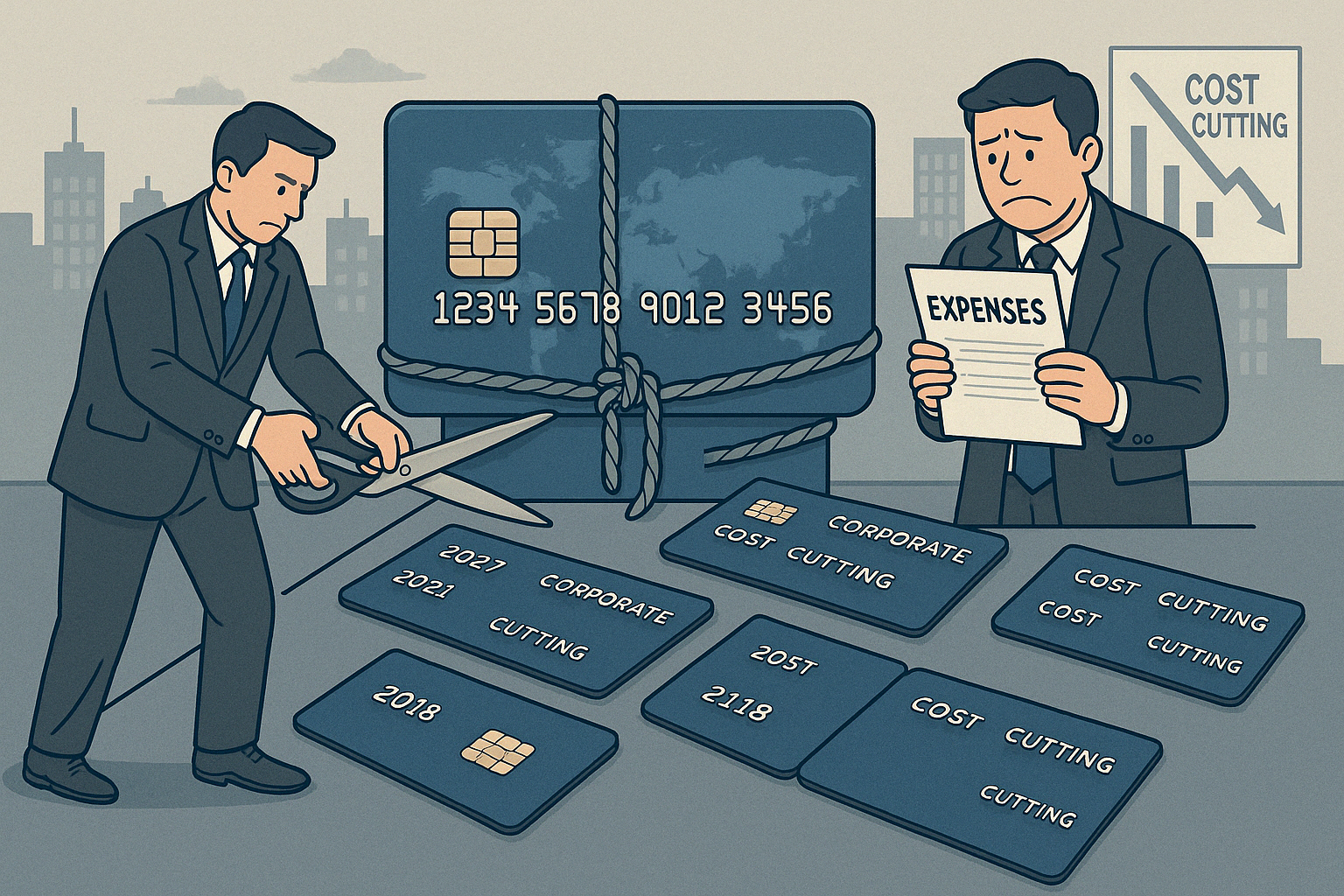
The first decrease in January since the credit card crisis in January 2004 (-120 cards), marking the first time in 21 years
Cost-cutting Leads to Reduced Applications for New Corporate Cards... First Decline in 7 Years
It has been revealed that domestic companies have reduced their applications for new corporate card issuances this year. This marks the first decrease in approximately seven years since 2018. The move is interpreted as companies turning to 'cost-cutting' measures amid worsening economic conditions.
According to the Bank of Korea's Economic Statistics System, the number of corporate credit cards issued in January was 11,627, a decrease of 22 from December of last year (11,649). This is the first decrease in about seven years since May 2018 (-12 cards).
In terms of a January decrease, this is the first time in 21 years since the credit card crisis in January 2004 (-120 cards). Although the scale of the decrease in January itself was not significant, it is considered unusual since corporate credit card issuances have steadily increased every month except during special circumstances such as financial crises. This also contrasts with the issuance of individual credit cards, which increased by 122,013 in January compared to the previous month, continuing a growth trend since April 2016.
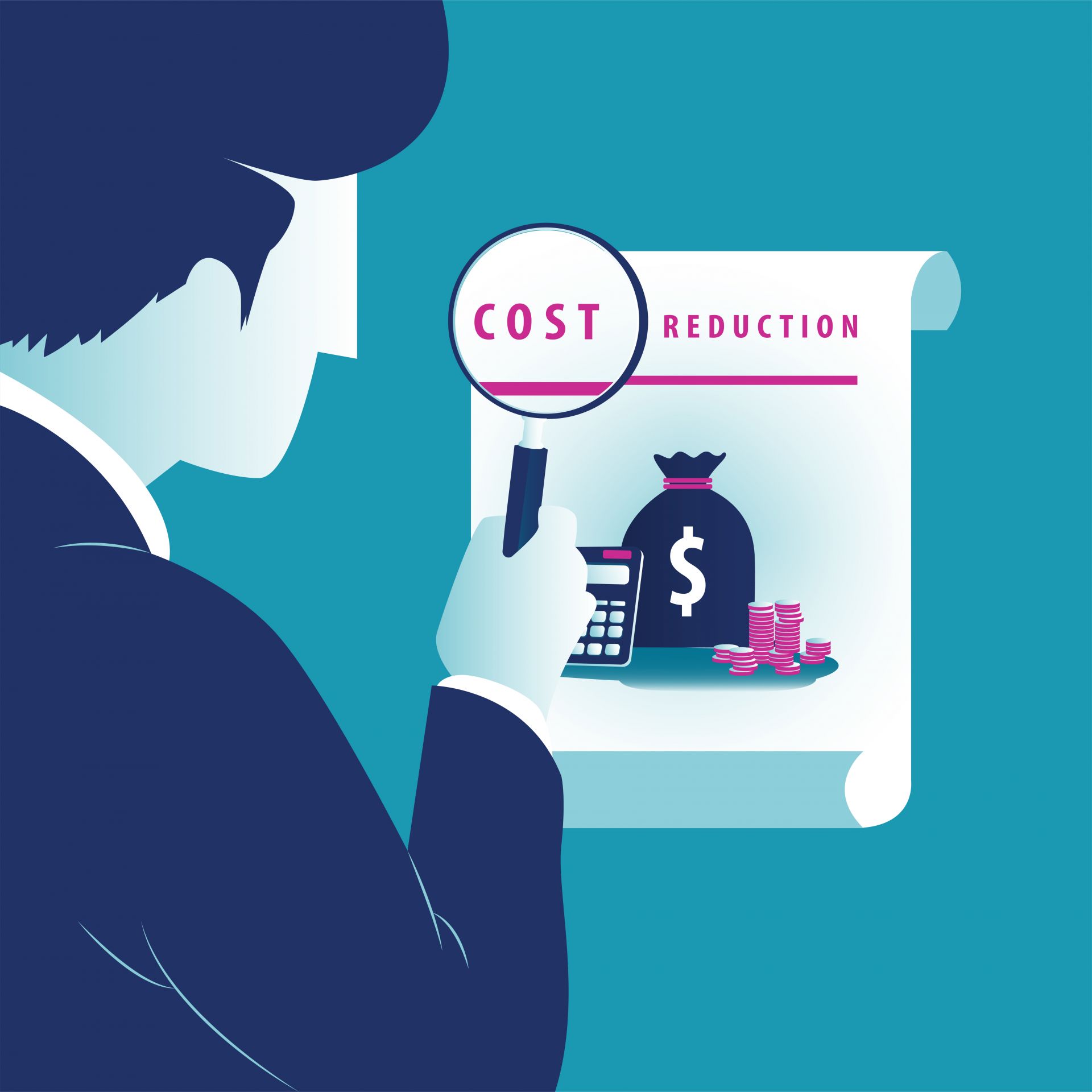
A survey conducted in January targeting 508 domestic companies with 50 or more employees found that 96.9% of respondents answered that 'an economic crisis will come this year'
The usage amount of corporate credit cards also shows a slight decline in growth. The total usage amount in January was 17.0541 trillion won, significantly down from 19.0647 trillion won in the previous month
Corporate credit cards generally refer to cards issued under the name of a corporation with a business registration number. The payment amounts are processed as company expenses by linking the card to a corporate bank account. The slowdown in the increase of such card issuances is interpreted as a result of companies actively pursuing cost reduction in response to economic downturns. Beyond the natural fluctuations due to card expiration, it appears that companies in relatively difficult financial situations have not actively renewed existing cards or applied for new ones.
Concerns Over a Vicious Cycle: Contraction in Corporate Card Usage and Sluggish Domestic Demand
In fact, the Composite Business Survey Index (CBSI) for all industries, announced by the Bank of Korea for January, fell by 1.4 points from the previous month to 85.9, marking the lowest level since September 2020 (83.4). At that time, political uncertainty was heightened due to the imposition of martial law, causing a sharp decline in overall economic sentiment, and concerns were rising over the new U.S. administration's tariff policies. Reflecting this on-the-ground sentiment, a survey conducted in January by the Korea Employers Federation targeting 508 domestic companies with 50 or more employees found that 96.9% of respondents answered that 'an economic crisis will come this year.'
The growth in the usage amount of corporate credit cards has also slowed. The total usage amount in January was 17.0541 trillion won, a significant decrease from 19.0647 trillion won in the previous month. Since reaching a record high of 19.8544 trillion won in May 2022, the monthly usage amount has not surpassed this peak for nearly three years. Some experts warn that, in the mid- to long-term, stagnation or a decrease in corporate credit card usage could act as a vicious cycle, delaying the timing of domestic demand recovery.
-

Reporter Seo Jiyeong zo2zo2zo2@asiae.co.kr
-
Edit Yang Hyejin adoretj@asiae.co.kr
© The Asia Business Daily(www.asiae.co.kr). All rights reserved.



![[Culture Interview] "Unifying the Fragmented Music Market... Super Fans Are the Next Competitive Edge"](https://cwcontent.asiae.co.kr/asiaresize/304/2026042817051344090_1777363513.jpg)