Editor's NoteSince February last year, when the government's policy to increase medical school admissions sparked backlash, the residents who left hospitals have not returned for a second year. Medical students who followed their seniors in boycotting classes and taking collective leaves of absence have mostly accepted a formal return to school in response to warnings from the government and universities about possible academic probation or expulsion. However, there remains a strong possibility that they will continue their protest through renewed leaves of absence or class boycotts. Even if medical schools appear to be returning to normal, the negative effects left by the collective action and its influence among medical students will not be easily erased. Asia Economy analyzes, in a six-part series, what enables and motivates these students to unite so tightly, almost like a cartel.
③ Groupthink Amid Hierarchy, Control, and Obedience Culture
"We do not consider those who return to class as colleagues, and we cannot participate in any future academic activities related to our studies with them."
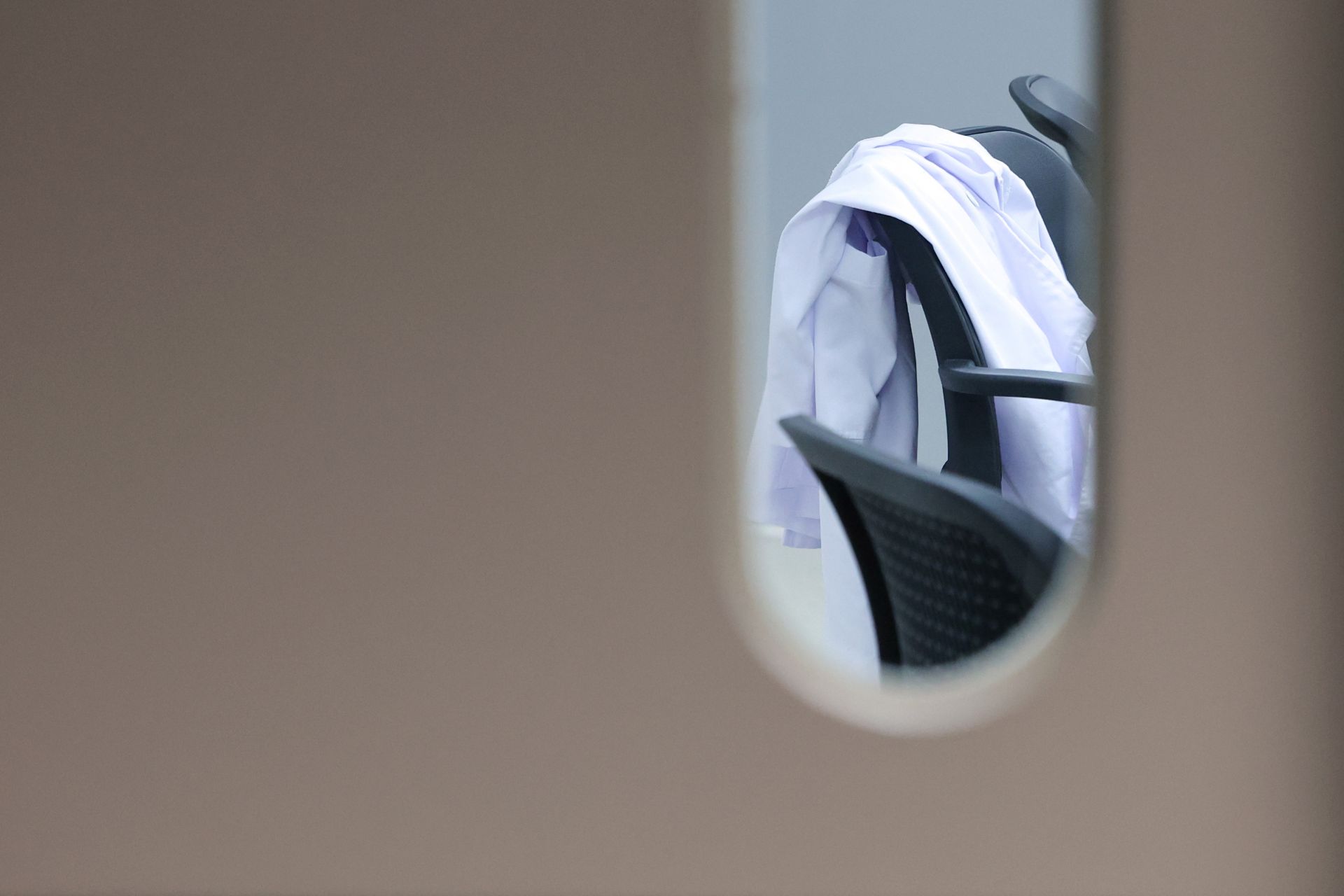
On the 13th of last month, when six second- and third-year students at Konkuk University College of Medicine attempted to return to class without submitting leave of absence forms, their peers issued a public statement openly criticizing them. The school immediately warned, "Any serious misconduct that infringes on an individual's right to learn will be strictly investigated and disciplined according to school regulations," but among medical students, there was also dissatisfaction, saying, "The government has divided students to the point of provoking such extreme attacks."
At the end of March, when the government and universities were urging students to return to class by raising the possibility of academic probation or expulsion, most medical students maintained a "united front" by refusing to register for the new semester. Even as professors tried to persuade students and held individual meetings, creating a more hardline atmosphere than ever, some students began to feel "I want to return to class now," but everyone was just watching each other.
A medical student at a university in Seoul, Student A, said, "My family is worried and tells me to register quickly, but attending school after being branded a traitor is scarier than being expelled. I would never return alone."
At Least 10 Years Together From Medical School Admission
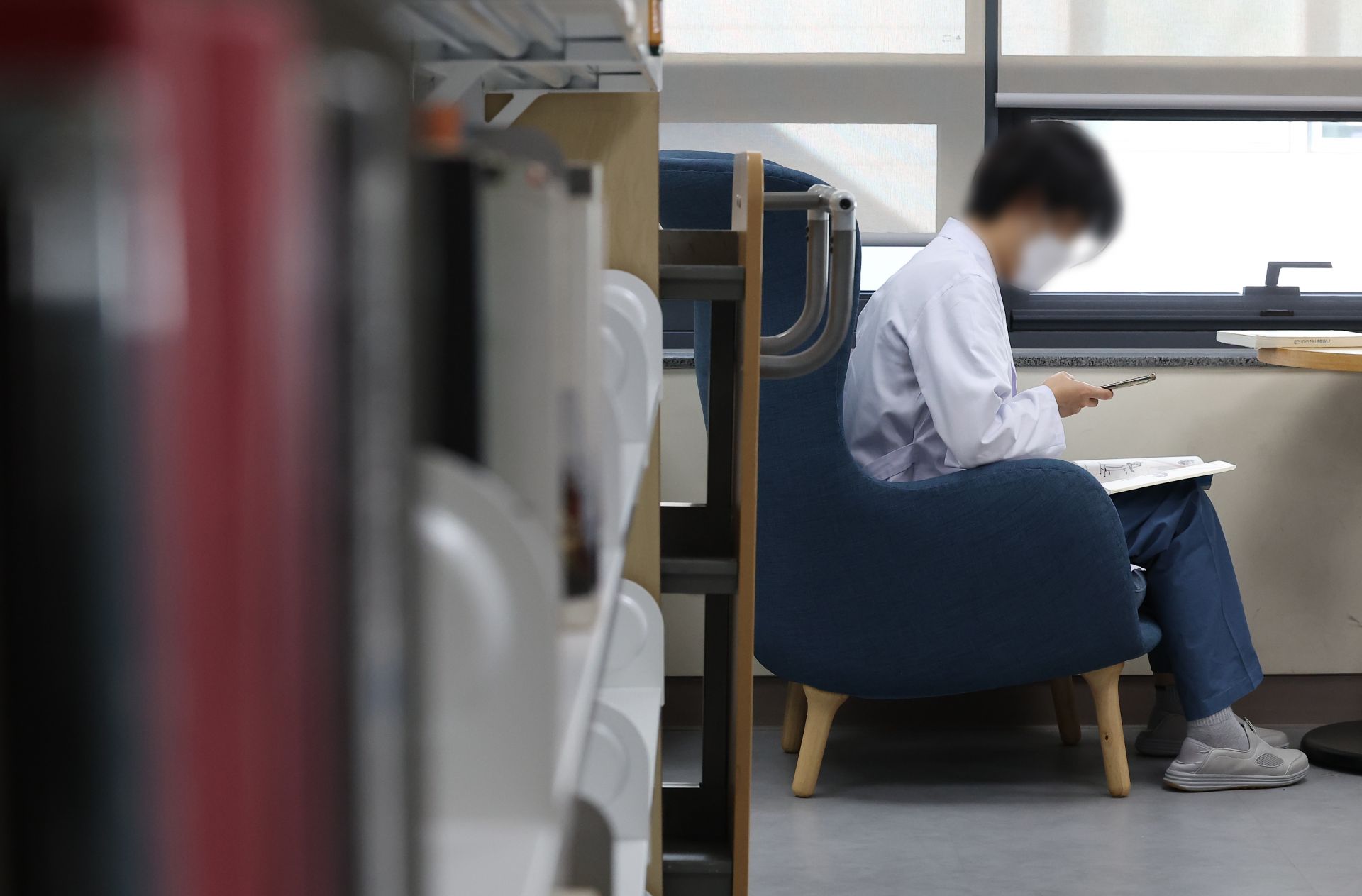
Many medical students have expressed their intention to pay tuition and return to school to avoid mass expulsions, but there is still a possibility that they will not fully participate in classes. Medical professionals agree that the reason why the collective leave of absence led by medical students has continued with such strong unity for two consecutive years is due to the apprenticeship-style education within the boundaries of medical school, and the hierarchy, control, and obedience culture formed within it.
Unlike other majors, an entire class of medical students completes the same curriculum over six years. Group projects and practical training are often done with the same classmates. After two years of pre-med and four years of medical school, students go through one year of internship and three to four years of residency at a training hospital, typically spending at least ten years together.
Sharing 'Jokbo' for Exam Preparation After Taking the Same Class for 6 Years
Peer and Senior Evaluations Are Crucial When Applying for Internships and Residency
Strong Cohesion Within a Hierarchical, Controlled, and Obedient Closed Culture
The "jokbo," which plays a crucial role in individual subject exams and the national medical licensing exam, is also managed by student councils or medical school clubs. The jokbo, which organizes lecture PPTs and past exam questions, is essential for medical students who are pressed for time due to the vast amount of material to study. If a student does not receive this jokbo, usually passed down from seniors and shared among classmates in the first year of medical school, it is said that even the smartest students will struggle to find the right priorities for their studies on their own.
The relationship between seniors and juniors in medical school is virtually that of professors and students. It is not an exaggeration to say that the entire medical education process is conducted in an apprenticeship style. For example, in anatomy lab, the professor demonstrates the dissection of a cadaver, and students follow along. Most professors are alumni of the same school. Even during hospital rotations, students learn by following professors and senior residents. Although it is less intense than in the past, seniors still rigorously train and discipline their juniors, citing the nature of the profession, which cannot tolerate even the smallest mistakes when dealing with human lives.
Relationships with seniors, juniors, and classmates continue even after graduation. Most medical students continue their training as interns and residents at their alma mater's university hospital. To train in the department of their choice after graduation, peer evaluations are crucial. According to the medical community, not only quantitative evaluations such as exam scores but also qualitative evaluations like "what kind of person are they to work with" play a significant role. The situation is no different even if one goes to a training hospital other than their alma mater. One medical school professor said, "When someone from another university applies for training, reputation checks are conducted even more thoroughly through acquaintances such as residents from that university because they are less well-known."
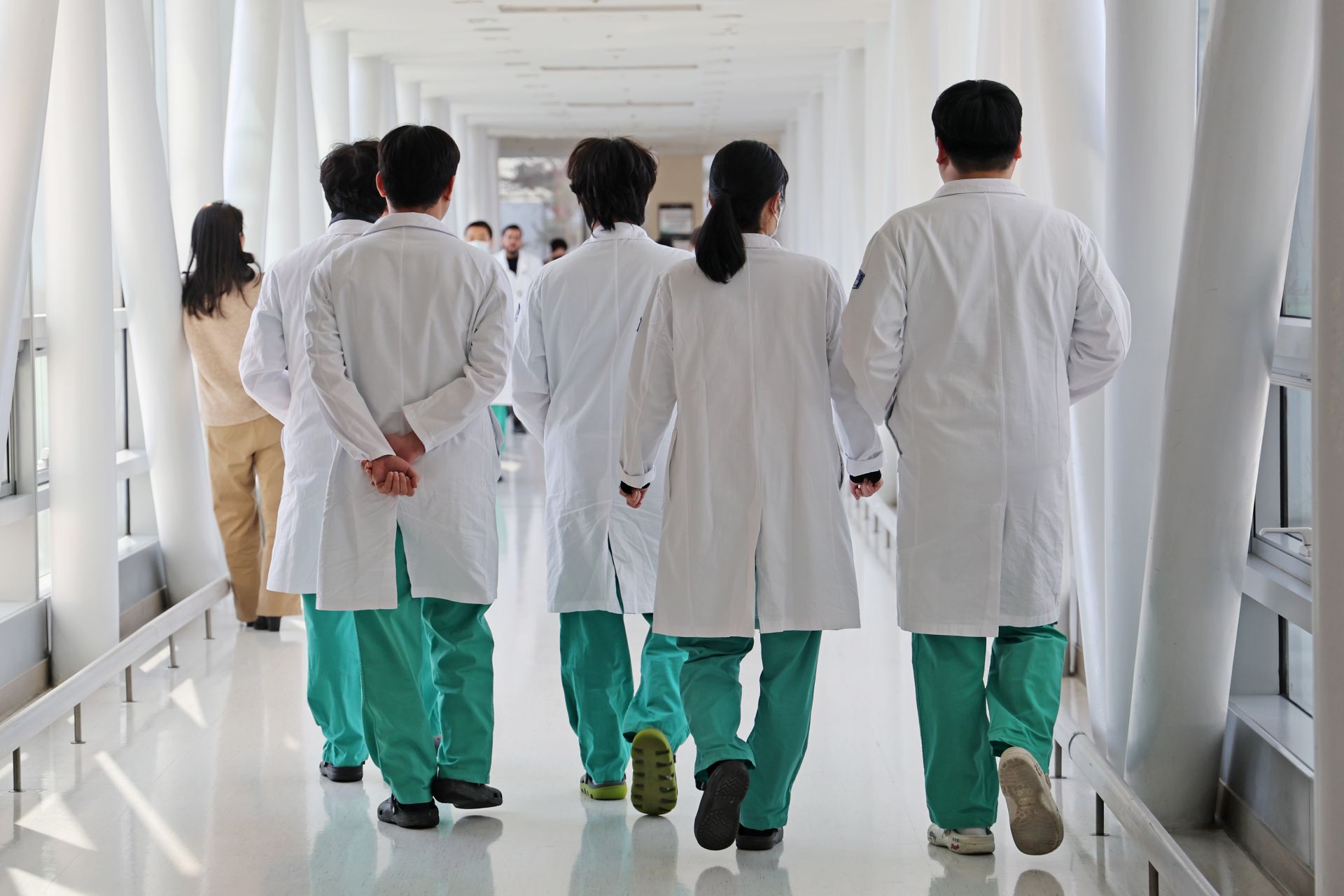
Such an education system gradually makes medical students more closed off and collective. After living for more than ten years trying not to be ostracized by peers or targeted by seniors or professors, the culture of control and obedience based on class and year is passed down through generations.
Opposition to the Separation of Dispensing and Prescribing in 2000
Opposition to the Promotion of Telemedicine in 2014
Opposition to the Establishment of Public Medical Schools in 2020
Opposition to the Increase in Medical School Quotas in 2024
If They Hold Out Until the End, the Government Eventually 'Surrenders'
Learning Effects from Doctors' Collective Actions
The Fourth Time Since the 2000s..."The Government Cannot Defeat Doctors"
Some analysts say that this collective leave of absence by medical students is a result of learning from past collective actions by doctors. Starting with the protest against the separation of prescribing and dispensing in 2000, and continuing with opposition to telemedicine in 2014 and the public medical school in 2020, every time the medical community engaged in collective action, medical students, interns, and residents all joined the struggle simultaneously and managed to extract concessions from the government. This time, too, there was a strong belief that if the core personnel, residents and medical students, held out until the end, the government would eventually surrender.
However, even as the medical crisis worsened, extreme comments spread in online communities of medical students and residents, and criticism and ridicule were rampant against those who left the group, causing public opinion toward the medical community to turn cold.
Jung Woo Koo, professor of sociology at Sungkyunkwan University, said, "Group and collective action is, in principle, a basic right and legitimate activity for any organization in a democratic society. However, the current collective action by medical students is problematic because it prevents free speech due to internal discipline and hierarchical logic, rather than voluntary consensus among members. The public has witnessed violations of individual choice, dignity, and human rights within the elite group of medical students in South Korea, and can no longer tolerate special privileges for them."



![[The Era of Medical Student Cartels] ① They Organized Silently](https://cwcontent.asiae.co.kr/asiaresize/251/2025033115182790862_1743401907.jpg)
![[The Era of Medical Student Cartels]② The Strengthened Sense of Privilege Within the 'Medical School Black Hole'](https://cwcontent.asiae.co.kr/asiaresize/251/2025032023053777142_1742479536.jpg)
![[The Era of Medical Student Cartel]④ "There is a compensation mentality, but the medical community and patients aim for coexistence"](https://cwcontent.asiae.co.kr/asiaresize/251/2025033117042791123_1743408267.jpg)
![[The Era of Medical Student Cartels]⑤ Professor Kim Nuri "Urgent Need to Restore Public Responsibility"](https://cwcontent.asiae.co.kr/asiaresize/251/2025032615414884808_1742971308.jpg)
![[The Era of Medical Student Cartels]⑥ Professor Kwon Yongjin "Professional Ethics Must Be Correctly Established"](https://cwcontent.asiae.co.kr/asiaresize/251/2025032710444886187_1743039889.jpg)