In January, the amount of unpaid wages exceeded 279 billion KRW, setting a new record for the highest figure for that month. Following last January's record-breaking unpaid wages, the upward trend has continued into this year. In particular, due to the aftermath of the Tmon-Wemakeprice (Tmepeu) incident last year, the unpaid wages in the transportation, warehousing, and communications sector nearly tripled. With concerns about an economic downturn growing this year, there are increasing worries that unpaid wages may continue to rise.
January Wage Arrears Amount 279 Billion KRW 6.14% Increase... 3rd Year of Growth Average Wage Arrears Per Person 9.56 Million KRW 24.97% Sharp Rise
According to the "January Unpaid Wage Report by Industry from 2021 to 2025" received by the office of Representative Lee Yongwoo (Democratic Party of Korea), a member of the National Assembly's Environment and Labor Committee, from the Ministry of Employment and Labor on the 28th, the amount of unpaid wages in January was 279.033 billion KRW, an increase of 6.14% compared to the same month last year.
This is the largest amount ever recorded for January. After setting a new record in January last year (262.892 billion KRW), the figure was surpassed again in just one year. The amount of unpaid wages in January has been increasing for three consecutive years since 2023 (7.96%), with a sharp rise of 64.11% last year.
The number of workers affected by unpaid wages in January was 29,173, a decrease of 15.07% compared to the same month last year (34,348). The average unpaid wage per person, calculated by dividing the total unpaid amount by the number of affected workers, rose by 24.97% during the same period, from approximately 7.65 million KRW to 9.56 million KRW.
By industry, unpaid wages in the transportation, warehousing, and communications sector surged by 192.63%, from 23.093 billion KRW in January last year to 67.578 billion KRW this January, showing a steep upward curve. As a result, there was a change in the ranking of industries with the highest unpaid wages, which had previously been led by manufacturing, construction, and wholesale, food, and accommodation sectors each year.
Aftermath of the T-Mef Incident Unpaid Amounts in Transportation Warehouses and Telecommunications Tripled Effect of Carrying Over Unsettled Unpaid Amounts from Last Year
In January, the largest amounts of unpaid wages were in manufacturing (71.066 billion KRW), transportation, warehousing, and communications, construction (51.099 billion KRW), and wholesale, food, and accommodation (27.194 billion KRW), in that order. In January last year, the largest amounts were in manufacturing (73.842 billion KRW), construction (59.522 billion KRW), and wholesale, food, and accommodation (30.622 billion KRW).
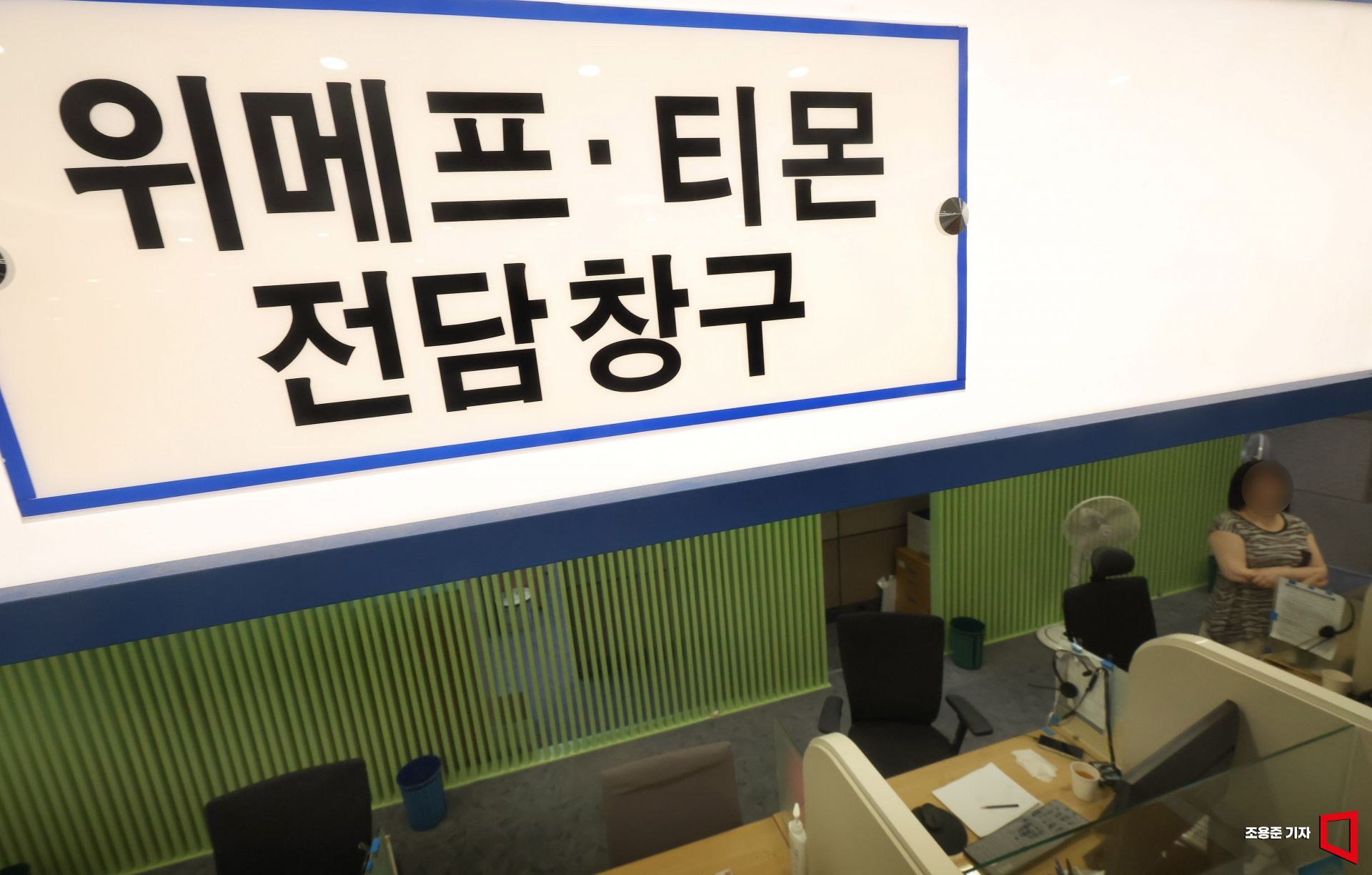
The sharp increase in unpaid wages in the transportation, warehousing, and communications sector is attributed to the Tmepeu incident. In July last year, as the Tmepeu issue escalated, large-scale collective unpaid wages occurred at its parent company, Qoo10 (32 billion KRW), among others. Although legal proceedings followed, a significant amount of unpaid wages remained unresolved and was carried over into this year, causing the figures to spike.
The cumulative amount of unpaid wages for this year, including last month, reached 431.5 billion KRW. The number of affected workers was tallied at 5,297. Although the unpaid amount slightly decreased compared to the same period last year (433.2 billion KRW), concerns are growing due to the ongoing bleak economic outlook.
Kang Sungjin, professor of economics at Korea University, said, "Most forecasts predict that this year's economic growth rate will be lower than last year, and with sluggish domestic demand, there is a high possibility that unpaid wages will increase further this year." He added, "The government should strengthen the social safety net and expand support for workers facing difficulties."
This Year's Total Unpaid Amount 431.5 Billion KRW "Must Shift to Prevention-Focused Supervisory Administration"
Representative Lee stated, "As records for unpaid wages are being broken every year, the government needs to develop a sense of crisis," emphasizing, "With determination, the government must shift from a post-incident response-oriented administration to a preventive supervisory administration in order to fundamentally prevent unpaid wages."
Last year, unpaid wages increased by 14.6% year-on-year to 2.0448 trillion KRW. Due to economic downturns in sectors such as construction, several large-scale collective unpaid wage incidents occurred, pushing the total above 2 trillion KRW for the first time and setting a new all-time high. The number of workers affected by unpaid wages that year was 283,212, an increase of 2.8%.





!["Please Help Us": How Much Do Those Bowing 90 Degrees These Days Actually Earn? [Data Pick]](https://cwcontent.asiae.co.kr/asiaresize/323/2026052010120870131_1779239528.png)