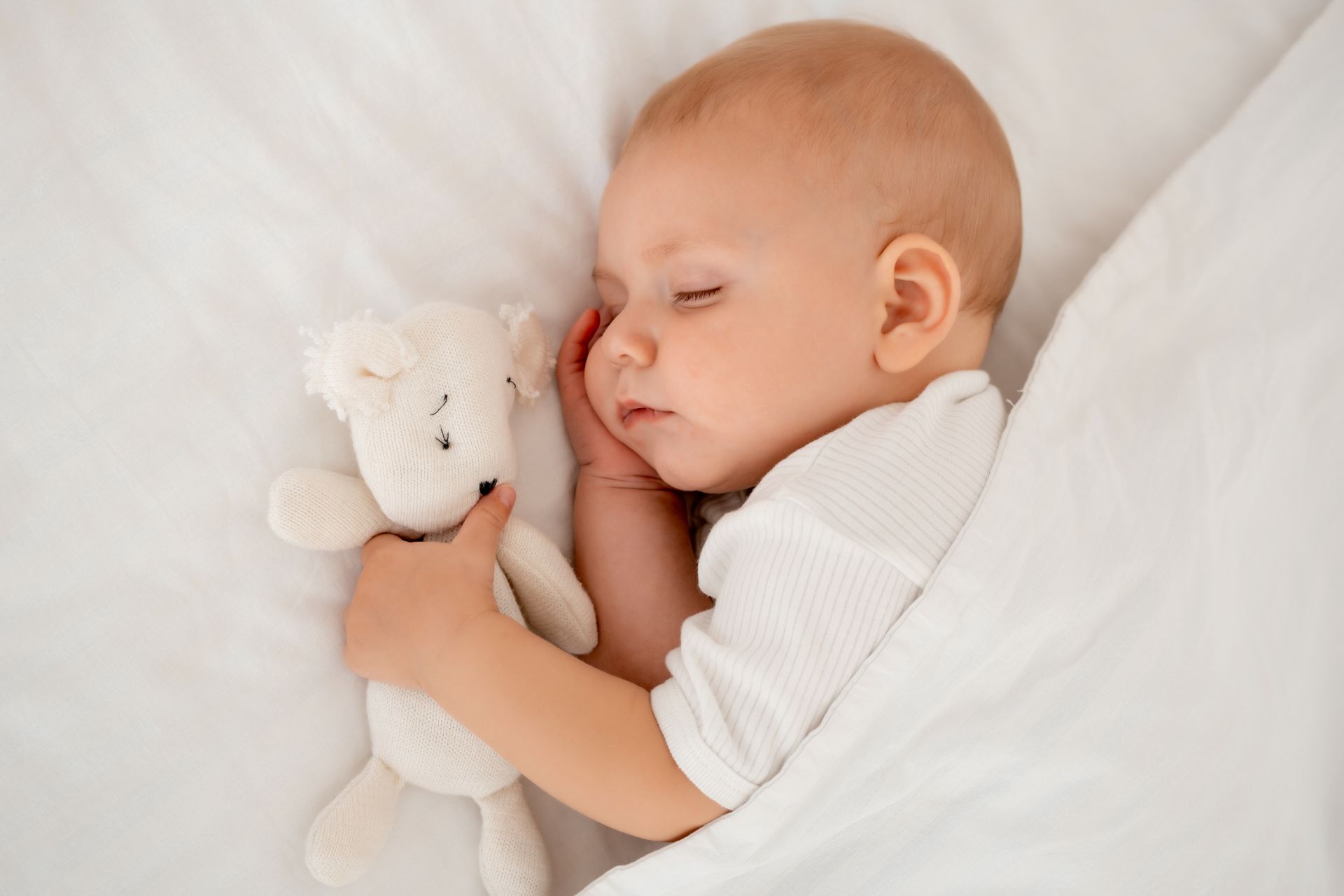

People who had poor sleep quality in the past month were found to be more likely to believe in conspiracy theories than those with good sleep quality.
"If You Don't Sleep Well, You're More Likely to Believe Conspiracy Theories"... Unusual Research Findings
A study has found that people with poor sleep quality are more likely to believe in conspiracy theories.
According to the New York Post on the 12th (local time), a team led by Professor Daniel Jolley at the University of Nottingham in the UK found in two experiments involving about 1,000 participants that those who had poor sleep quality over the past month were more likely to believe in conspiracy theories when exposed to them.
In the first study, the researchers assessed the sleep quality of 540 participants and then had them read two articles about the 2019 fire at Notre-Dame Cathedral in Paris, France. One article included the official announcement that the fire was an accident, while the other contained conspiracy theory content.
The results showed that people who had poor sleep quality over the past month were more likely to believe the conspiracy theory that there was a deliberate cover-up of the Notre-Dame Cathedral fire, compared to those with good sleep quality.
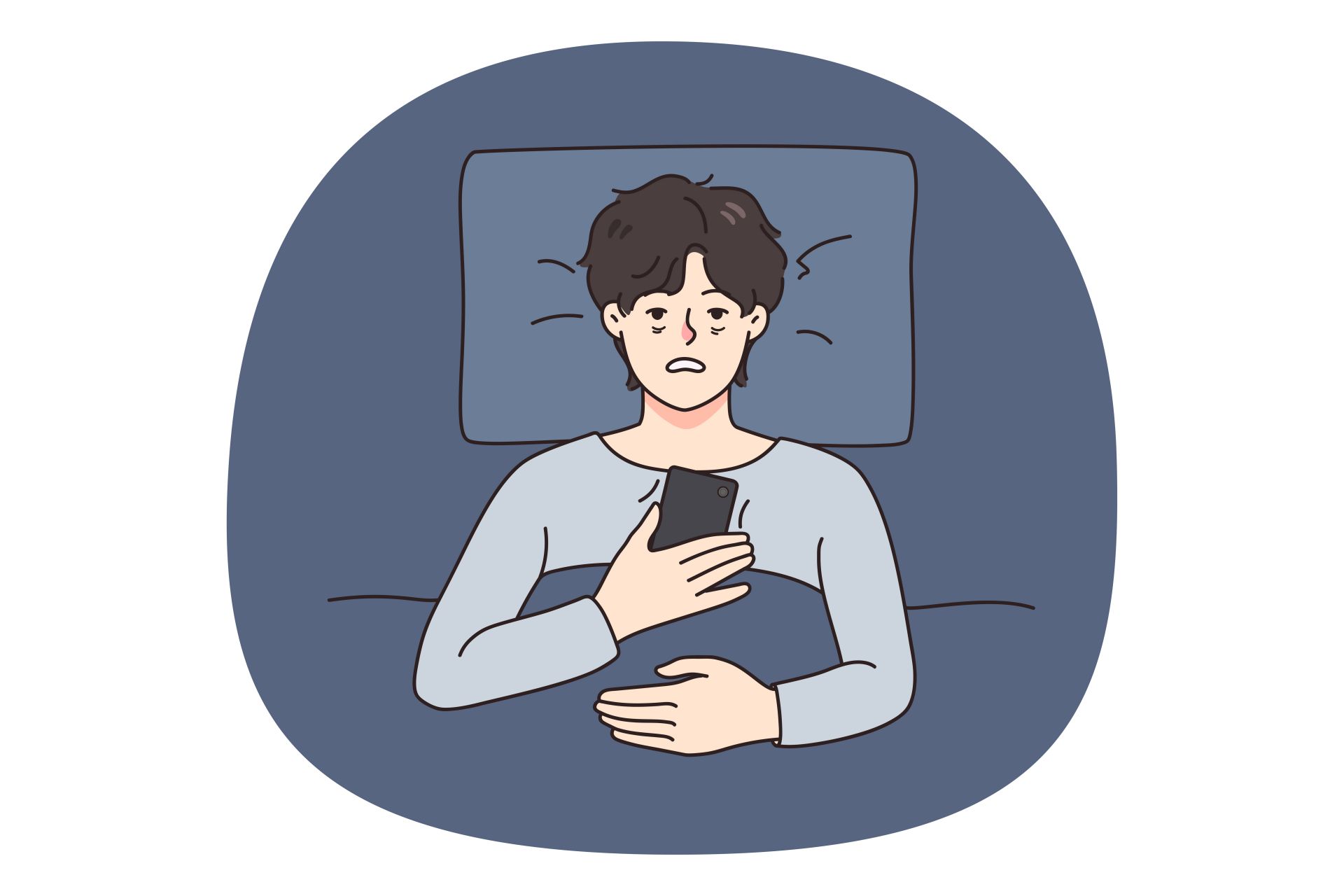
Sleep deprivation has been shown to increase the risk of depression, anxiety, and paranoia. This is a factor that also influences conspiratorial beliefs.
"Sleep Is Essential for Mental Health and Cognitive Function"... Influences Anger and Paranoia but with Less Consistency
The second study investigated the underlying psychological mechanisms by which poor sleep quality increases belief in conspiracy theories, and whether insomnia shows a similar pattern. This study involved 575 participants.
This study also found that both poor sleep quality and insomnia were significantly associated with conspiratorial thinking and belief in specific conspiracy theories. Anger and paranoia also influenced conspiratorial beliefs, but the consistency was weaker.
Professor Jolley explained, "Sleep is essential for mental health and cognitive function," adding, "Lack of sleep has been shown to increase the risk of depression, anxiety, and paranoia. These are factors that also influence belief in conspiracy theories." He emphasized, "Improving sleep quality could serve as a protective factor against the spread of conspiratorial thinking."
Meanwhile, the results of this study were published in the international academic journal Journal of Health Psychology.
-

Reporter Yun Seulgi seul97@asiae.co.kr
-
Edit Yang Hyejin adoretj@asiae.co.kr
© The Asia Business Daily(www.asiae.co.kr). All rights reserved.




![[Report] "A Culinary Destination with a View of Gyeongbokgung"... Kim Dong-sun's High-End Dining Takes Over Gwanghwamun](https://cwcontent.asiae.co.kr/asiaresize/304/2026042114562634571_1776750985.jpg)

![[Gallery Stroll] Red Robe, Black Lines... Danjong Returns with the Face of Wounds](https://cwcontent.asiae.co.kr/asiaresize/304/2026042014183532691_1776662315.jpg)