
The surge in coffee bean prices is largely due to the impact of climate change.
The price of Arabica coffee beans has surged to its highest level since 1977. This spike is the result of record-breaking droughts in Brazil, the world's largest coffee producer, as well as concerns over the trade policies of a potential second Trump administration and the European Union's forest regulations, which have led to a wave of bean stockpiling.

On the 27th (local time), the March delivery futures price of Arabica coffee beans at the ICE Futures Exchange soared to $3.20 per pound that day. Photo by Getty Images
원본보기 아이콘On the 27th (local time) at the ICE Futures Exchange, the March delivery futures price for Arabica beans soared to $3.20 per pound. This is the highest level since 1977, when it reached $3.38. Since the beginning of this year, Arabica bean prices have risen by about 70%.
Not only premium Arabica beans but also the relatively inexpensive Robusta beans have seen significant price hikes. On the London exchange, Robusta beans are trading at $5,200 per ton, up 80% so far this year.
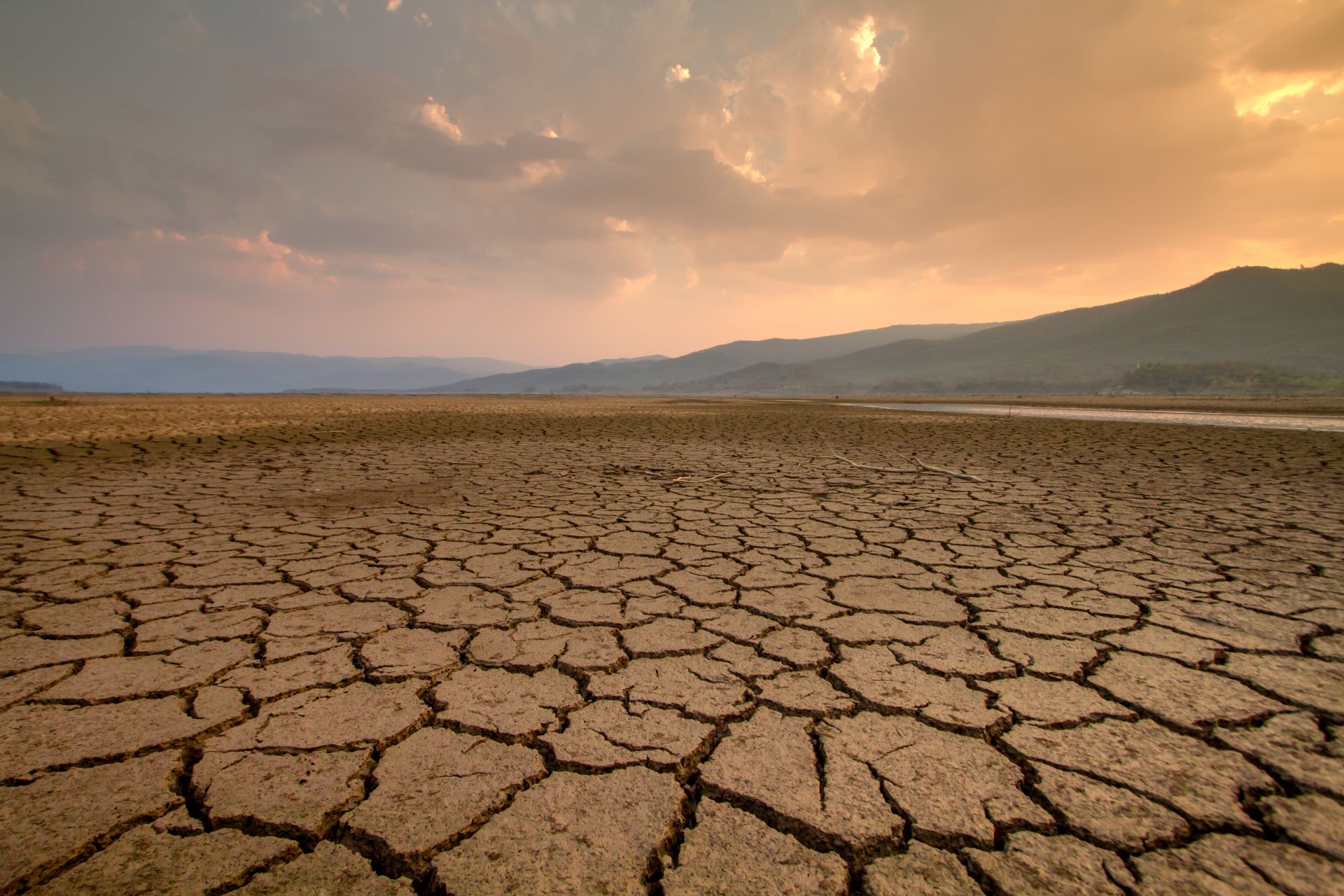
In Brazil, which mainly produces Arabica beans, the worst drought in 70 years occurred in August and September this year, followed by heavy rains last month, raising concerns about next year's coffee harvest.
In Vietnam, where Robusta beans are cultivated, concerns about supply have increased due to dry weather during the growing season and heavy rains during the harvest season.
Photo by Getty Images Bank

Bloomberg News pointed out that the possibility of tariffs being imposed by the second Trump administration led importers to aggressively purchase coffee beans, which further fueled the rise in coffee bean prices.
The United States is a major coffee bean consumer, importing about 20% of the world's coffee beans.

Also, in Europe, the EU will implement regulations from next year banning the sale of products made from agricultural goods produced in deforested areas, causing coffee bean imports to surge compared to previous years.
There are predictions that coffeplanation (a combination of coffee and inflation) will continue.
Photo by DALL·E3

Nestle, the world's largest coffee producer, recently cited rising coffee bean prices as the reason
that coffee prices will need to be increased and packaging sizes reduced in the future.
Photo by Getty Images Bank
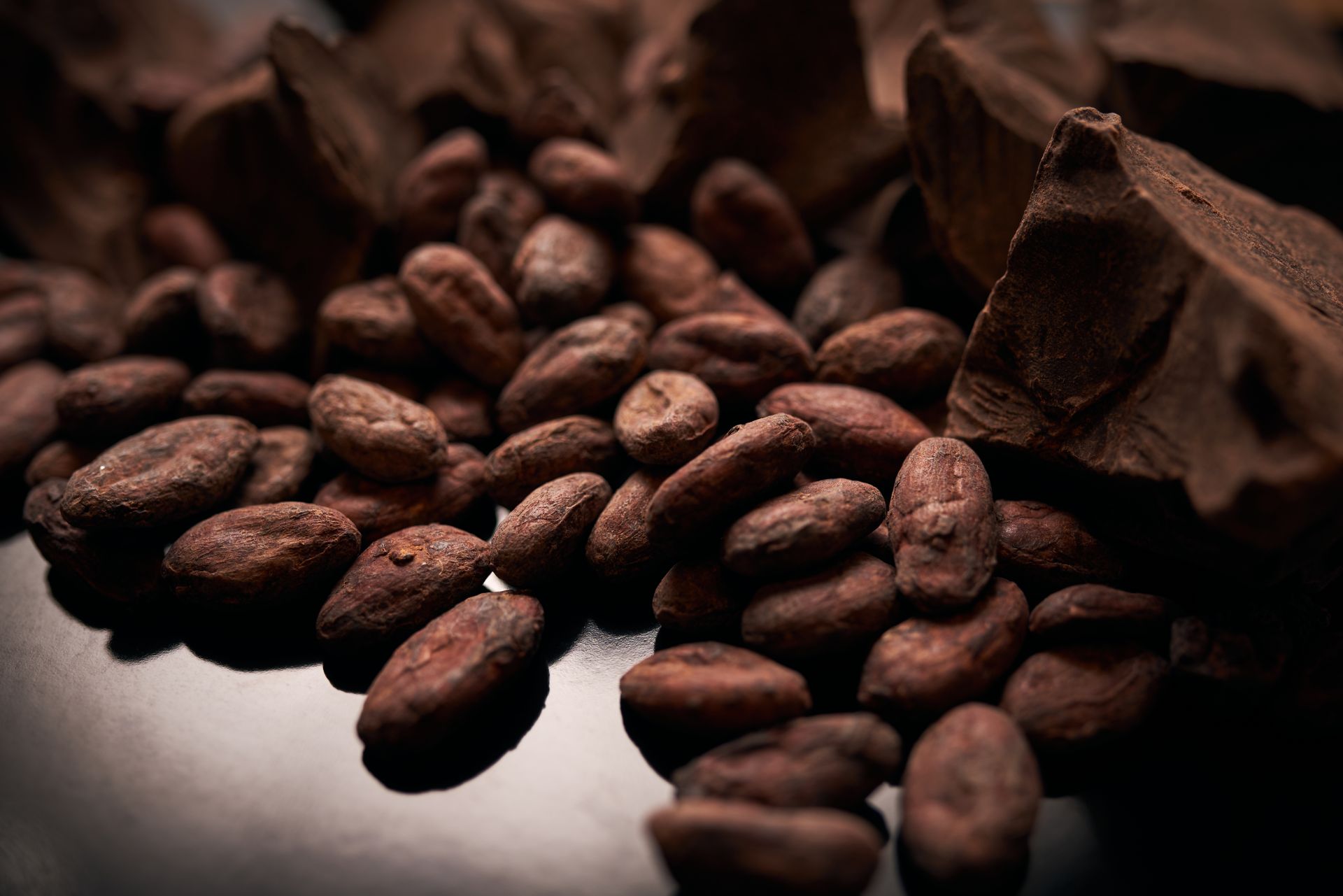
This year, the price of cacao also surged.
The price of cocoa futures in the U.S. closed at $9,146 per ton on the day.
The price of cacao surpassed $9,000 for the first time ever on the 22nd and has risen 90% since the beginning of the year.
Photo by Getty Images Bank
-

Reporter Byun Seonjin sj@asiae.co.kr
-
Edit Kim Boram kbram6457@asiae.co.kr
© The Asia Business Daily(www.asiae.co.kr). All rights reserved.