"I don't have a portable battery, so I'll have to charge my phone when I go to a cafe later."
There are many people who, instead of carrying a portable battery when going out, simply bring their charger to plug into an outlet. I also look for a cafe first when my laptop or phone battery is running low while out reporting.
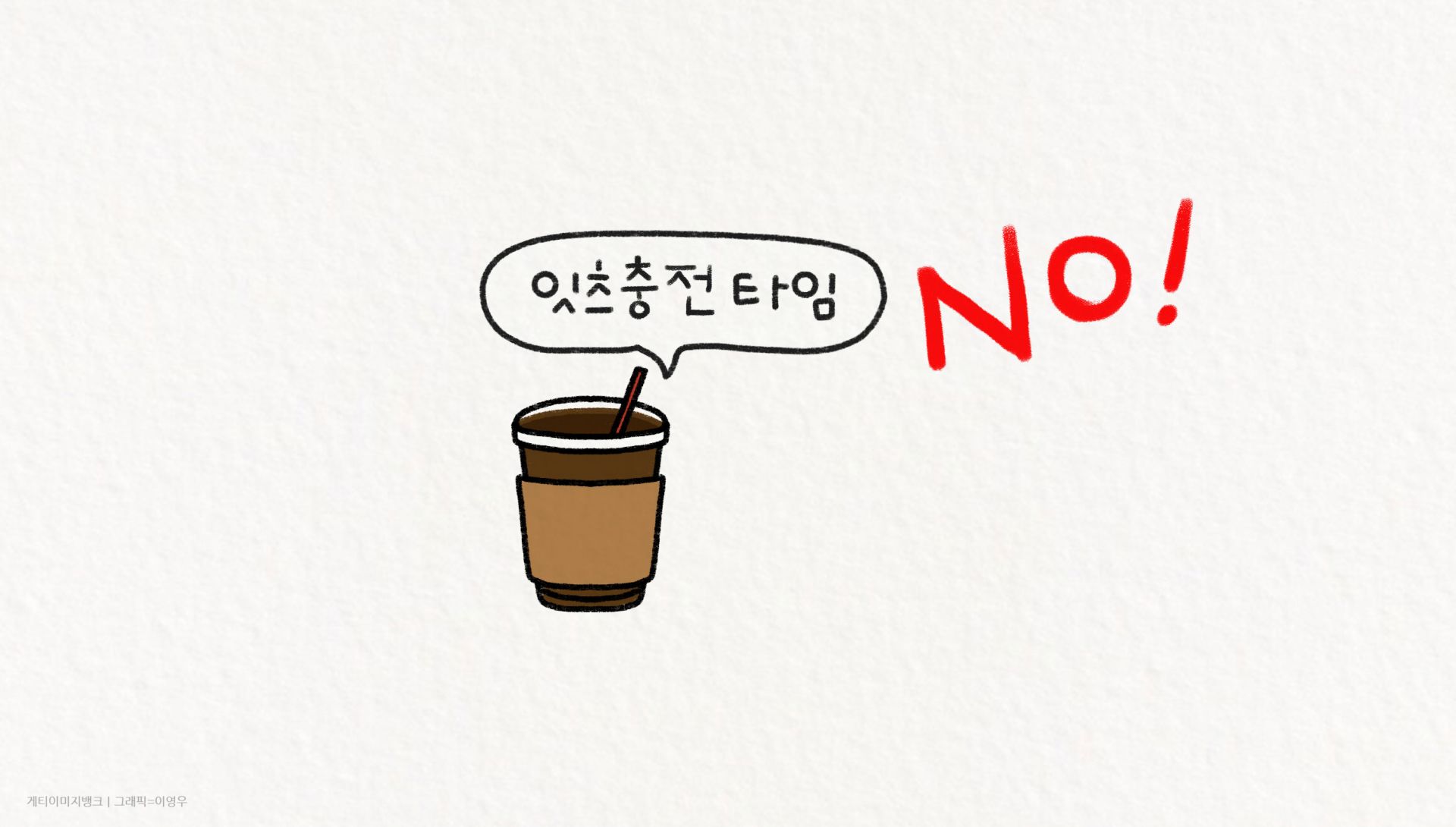
These days, even in Korea, there seem to be more and more places that block access to power outlets. However, in Japan, the rules are even stricter. There are stories of people getting into serious trouble for charging their devices at cafes while traveling in Japan. In fact, there have been cases where people were punished for charging their devices using a power outlet, so it’s something to be careful about. Today, I’ll tell you about Japan’s ‘charging culture,’ which is a bit different from Korea’s.

Electricity is also property... Even at schools and companies, it can be considered theft
In Japan, just because you find an empty outlet at a cafe or family restaurant doesn’t mean you can freely charge your phone or laptop. You might be stopped by a staff member. In fact, questions and posts about this are frequently seen on Japanese portal sites like Yahoo Japan.
Places that prohibit charging state that, by law, electricity is considered property. Article 235 of the Japanese Penal Code stipulates, “A person who steals another’s property shall be punished by imprisonment for up to 10 years or a fine of up to 500,000 yen.” Article 245 further specifies, “Electricity is also considered property in this context.” Therefore, if you use electricity at a business without permission, there is a sufficient basis for a theft charge. In fact, in 2007, two middle school students in Osaka were investigated for theft after using a convenience store outlet to charge their phones. At that time, it was rare for customers to use store outlets, but the case drew public attention as even a small amount of electricity use was considered theft.
There are even stories that charging your smartphone at school or work could be considered theft. Especially in companies with strict rules. Here’s a question posted in a Japanese HR management community: “Although our company hasn’t issued a specific notice, I’ve recently noticed employees charging their personal smartphones using their work PCs. Isn’t this a big problem, not only because they’re using the company’s electricity without permission, but also from the perspective of information security? I’d like to know how other companies are handling this.” The person added, “For reference, I always carry a portable battery at work.”
The responses mostly agreed that it could be a problem. Hattori, the head of Wage and Labor Support Office, said, “The act itself shows a lack of distinction between public and private matters. It also relates to company regulations on removing company property, so the rules should be revised quickly.” Others suggested a more flexible approach, such as “Even if it’s prohibited at individual desks, it might be good to provide a dedicated charging area.”

Middle school students investigated for theft after charging at a convenience store... Always check if charging is allowed
Atom Law Office in Japan also stated in its newsletter, “If there’s a sign saying smartphone charging is allowed, it’s fine, but if there’s nothing written, charging without permission could constitute theft. If you want to charge your device, always check with a staff member first.”
In Korea, if there’s an outlet at a company or cafe, it’s generally assumed you can use it, and places that prohibit charging are often seen as unfriendly. In Japan, however, unauthorized use of electricity is even called “electricity theft (touden),” in part because electricity costs are so high.
That doesn’t mean charging is impossible at all public facilities. For example, the outlets at Shinkansen seats can be freely used. Many cafes or family restaurants that allow charging will post signs like “Charging OK,” and especially at cafes, if you see a sign saying “Power available (den-gen ari),” you can charge your smartphone or use your laptop plugged in.
In any case, this cultural difference surprises not only Koreans but many other foreigners as well. If you use an outlet without checking with staff, you might find yourself in an awkward situation, so if you’re visiting Japan, it’s best to be cautious.
IndexSunday Japanese Culture
- "You Can Get Arrested for Charging Your Phone at a Cafe in Japan"
-

Reporter Jeon Jinyoung jintonic@asiae.co.kr
-
Edit Yang Hyejin adoretj@asiae.co.kr
© The Asia Business Daily(www.asiae.co.kr). All rights reserved.
!["Please Help Us": How Much Do Those Bowing 90 Degrees These Days Actually Earn? [Data Pick]](https://cwcontent.asiae.co.kr/asiaresize/323/2026052010120870131_1779239528.png)