![[Image source=Getty Images]](https://cphoto.asiae.co.kr/listimglink/9/2024092015130033861_1726812780.jpg)
As the culture of 'Healthy Pleasure,' which pursues health with enjoyment, becomes mainstream, the number of consumers seeking zero-calorie drinks has increased.
Zero-calorie carbonated drinks, boasting improved taste and quality, are captivating consumers' palates and driving the growth of the domestic carbonated beverage market.
According to the Ministry of Food and Drug Safety on the 20th, sales in the domestic carbonated beverage market last year reached 2.791 trillion won, a 6.3% increase from the previous year (2.626 trillion won). The domestic carbonated beverage market, which was at the 1.94 trillion won level in 2019, surpassed 2 trillion won in 2020 and has continued to expand, recording a compound annual growth rate (CAGR) of 7.6% up to last year.
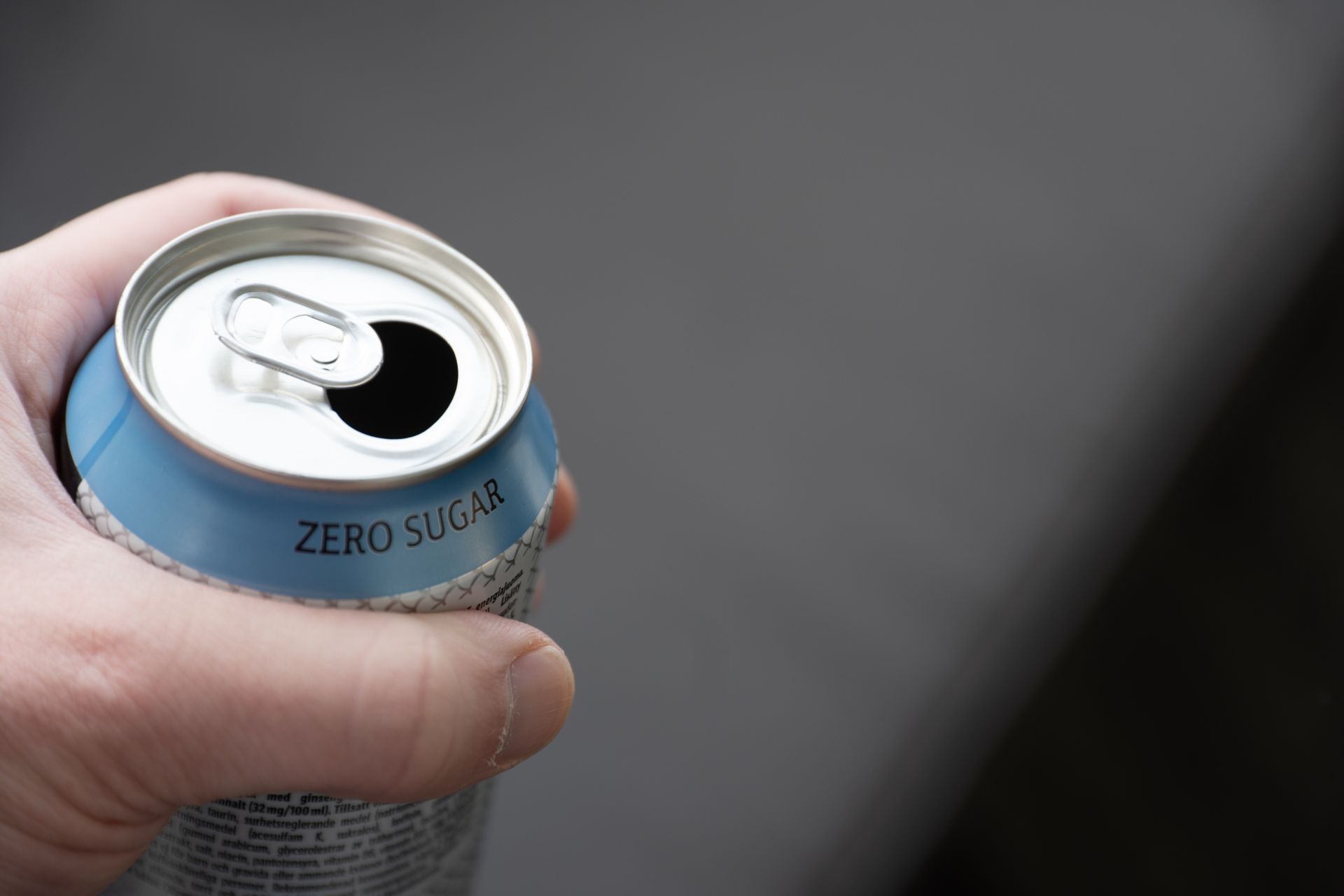
Zero-calorie drinks are beverages that contain no calories or sugar. According to the Ministry of Food and Drug Safety, if the calorie content is less than 4 kcal per 100 ml, it can be labeled as zero-calorie (zero).
The main driver of growth in the domestic carbonated beverage market is the rapidly expanding zero-calorie carbonated drinks. As the "healthy pleasure" culture, which seeks enjoyable health, has become mainstream, more consumers are choosing zero-calorie beverages. Domestic beverage manufacturers are responding to this demand by improving the taste and quality of existing zero-calorie carbonated drinks and continuously launching new products, thus leading market growth. Zero-calorie drinks are beverages with no calories or sugar. According to the Ministry of Food and Drug Safety, a drink can be labeled as zero-calorie if it contains less than 4 kcal per 100 ml, and as zero-sugar if it contains less than 0.5g of sugar per 100 ml.
Regular Cola Declined by 2.4% Over 5 Years... Zero Cola Soared by 87.3%
In reality, consumers are rapidly switching from regular carbonated drinks to zero-calorie options. Looking at the substitution trends between cola and cider over the past five years from 2019 to last year, zero cola has shown a steep annual growth rate of 87.3%. In contrast, regular cola declined by 2.4%. During the same period, zero cider also demonstrated strong growth with a 27.5% annual average, though not as high as zero cola.
This trend is also evident in brand market shares. Based on retail sales last year, Coca-Cola led the domestic carbonated beverage market with a 34.8% share, followed by Chilsung Cider (15.4%), Pepsi (13.7%), and Milkis (5.7%). However, compared to the previous year, Milkis and Jinro Tonic Water showed remarkable growth rates of 40.8% and 95.0%, respectively. Milkis successfully launched "Milkis Zero" in February last year, and the popularity of its zero product expanded interest in the overall Milkis brand, leading to additional sales growth for the original product as well.

Recently, advancements in technology using alternative sweeteners to create sweetness have led to a reevaluation of zero-calorie carbonated drinks as beverages that offer both low calories and great taste. With lower sugar content and less impact on health, yet still providing sweetness, zero-calorie carbonated drinks are increasingly seen as a better choice compared to regular carbonated or fructose-sweetened drinks. Since foods typically consumed with carbonated drinks are often high in calories, choosing zero-calorie options can also provide a sense of psychological reassurance.
Zero Craze Leads to Relaunches of Discontinued Products Like Cider and Tams
As consumer interest and demand for zero-calorie carbonated drinks grow, not only are existing products being launched in zero versions, but brands that had previously been discontinued are also being revived with the zero label. Lotte Chilsung Beverage relaunched "Chilsung Cider Zero" in January 2021, after discontinuing it in 2015 following its 2011 debut. Similarly, Tams, first launched in 1978 and discontinued in the 2000s, was reborn as a zero product in April 2022. This month, Coca-Cola also introduced a zero-calorie version of Ambasa, which was first released domestically in 1984.
Although the number of health-conscious consumers has increased since the COVID-19 pandemic, carbonated beverage companies are seizing this as an opportunity to pursue various changes. An industry official said, "With growing demand for healthier and functional carbonated beverages, the growth of the low-sugar and sugar-free carbonated drink market is noteworthy," adding, "Functional carbonated drinks with added vitamins and probiotics are also expected to see further growth in the future."
-

Reporter gooeunmo@asiae.co.kr
-
Edit Yang Hyejin adoretj@asiae.co.kr
© The Asia Business Daily(www.asiae.co.kr). All rights reserved.
!["Please Help Us": How Much Do Those Bowing 90 Degrees These Days Actually Earn? [Data Pick]](https://cwcontent.asiae.co.kr/asiaresize/323/2026052010120870131_1779239528.png)