"Mom, Should We Buy 100 Bags?"... Panic Buying of Volume-Based Waste Bags Spreads Amid War Fallout
Naphtha Inventory Down to 10-15 Days
Tension Across Petrochemical and Food Industries
Impact Expected on Packaging and PET Bottles
High Likelihood of Price Hikes in Three Months
Instability in the international crude oil supply, triggered by the prolonged war between the United States, Israel, and Iran, is now impacting the domestic market for essential goods and fueling concerns over a 'plastic crisis.' With shortages extending from food packaging materials to volume-based waste bags, public anxiety is mounting.
According to the retail industry on March 23, concerns over disruptions in the supply of naphtha—the core raw material for plastic bags—are driving a sharp increase in demand for volume-based waste bags.

The prolonged war between the United States, Israel, and Iran has triggered international crude oil supply instability, which is now affecting the domestic essential goods market, spreading concerns over a 'plastic crisis'. Photo by The Asia Business Daily DB
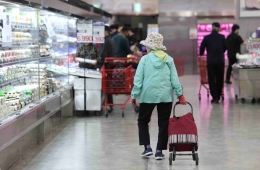
View original imageAt a supermarket in Mapo-gu, Seoul, most of the bags were sold out just a few days after restocking, and some sizes were completely unavailable. Store representatives reported, "Recently, there has been a surge in customers purchasing four to five bundles at a time." The situation is similar online. Online platforms selling volume-based waste bags have posted notices about production and restocking delays due to international circumstances, and industry insiders say that current inventories may only last about one month.
"Secured 100 Bags"—Panic Buying Spreads on SNS
Consumer anxiety is also spreading rapidly online and through social networking services (SNS). Some users have posted comments such as, "It was hard to find volume-based waste bags, so I went to several stores and secured more than 100 bags," or "I'm stocking up in advance on products that use naphtha." This panic buying mentality is starting to influence the actual distribution channels as well.

Consumer anxiety is rapidly spreading online and through social networking services (SNS) as well. Some users post statements such as "It was difficult to find volume-based waste bags, so I went to several stores to secure more than 100 bags," or "I am stocking up in advance on products containing naphtha." Jongryangje.com
View original imageAt a supermarket in certain regions, measures have been introduced to limit the number of volume-based waste bags each person can purchase. While restrictions were put in place to limit purchases per person and staff directly managed payments, there are concerns that such controls could further fuel anxiety and drive up demand. In fact, since these measures were implemented, sales of bags have increased by 110% compared to two weeks prior.
Naphtha Supply Hit Hard—Plastic, Food, and PET Bottles All Affected
The core issue in this situation is naphtha. Naphtha, a basic petrochemical raw material obtained through crude oil refining, is essential for the production of various products such as plastic, vinyl, and packaging materials. Especially concerning is the effective closure of the Strait of Hormuz, through which more than half of imported naphtha passes, causing supply chain disruptions. Currently, domestic naphtha inventories stand at about 10 to 15 days, which is significantly lower than the crude oil inventory of roughly 60 days.

On the 9th, when international oil prices surpassed 100 dollars per barrel, steam rose at a petrochemical complex factory in Yeosu, Jeollanam-do. Photo by Yonhap News
View original imageAs a result, petrochemical companies are reported to have already raised prices by up to 60%. The food industry is closely monitoring the situation, as disruptions in packaging material supplies for items like ramen and instant foods could affect production and distribution as a whole. The beverage industry is also concerned about the potential rise in PET bottle raw material prices and is projecting the possibility of delivery price increases in about three months.
Government and Local Authorities Respond—Strengthening Supply Checks and Price Controls
The government and local authorities have launched emergency measures to prevent the situation from escalating. The Ministry of Climate, Energy, and Environment is conducting a full-scale inventory check of volume-based waste bags across local governments nationwide and is also considering restricting naphtha exports and securing alternative import sources.
Hot Picks Today
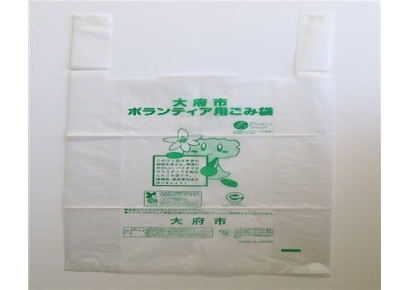 "Only Two Per Person" Garbage Bag Crisis Was Just Yesterday... Japan Also Faces Shortage Anxiety
- "Samsung Electronics Employee with 100 Million Won Salary Receiving 600 Million Won Bonus... Estimated Tax Revealed"
- Lived as Family for Over 30 Years... Daughter-in-Law Cast Aside After Husband's Death
- 'Will Demand Finally Decline Due to High Prices?'... "I'll Just Enjoy Nearby Trips" as Japan and China See a Surge
- "Wore It Once, Then This? White Spots All Over 4.15 Million Won Prada Jacket... 'Full Refund Ordered'"
The Seoul Metropolitan Government has convened an emergency economic countermeasures meeting to review the entire supply and distribution chain for volume-based waste bags and to work on curbing price increases. Comprehensive measures for price stabilization will be implemented, including stricter monitoring of gas station prices, monitoring of panic buying of daily necessities, and increasing public transportation services. Local governments, including Busan, are also stepping up inspections of retailers and managing prices to strengthen their regional responses.
© The Asia Business Daily(www.asiae.co.kr). All rights reserved.