Gwangju City Bus Labor and Management Reach CBA Agreement... Normal Operations Resume from June 21
Agreement Reached on 3% Wage Increase and Retirement Age Extension
Strike Comes to an End

On the morning of the 5th, when the Gwangju city bus union went on a full strike, citizens were waiting for buses at a bus stop in Chipyeong-dong, Seo-gu, Gwangju. Photo by Yonhap News
View original imageThe Gwangju city bus union, which had been on strike for 13 days following the breakdown of this year's wage and collective bargaining agreement (CBA) negotiations with management, has agreed to end the strike and will return to work starting June 21.
According to the Gwangju city government and the Gwangju city bus labor and management on June 20, both parties reached a mutual agreement on this year’s CBA at city hall and signed the agreement. The agreement includes a 3% wage increase and an extension of the retirement age from 61 to 62.
In addition, both labor and management will participate in the Public Transportation Innovation Council (tentative name), to be established by the city, to discuss improvements in worker wages and working conditions, fare adjustments for public transportation, and structural reforms of the quasi-public operation system.
With the conclusion of the CBA, the union will end the strike that had continued for 13 days and return to work. Between 800 and 1,000 city bus union members who had stopped operations to participate in the strike will begin receiving assignments from the first bus on June 21, resuming normal service.
During this year's CBA negotiations, the union had demanded an 8.2% wage increase and an extension of the retirement age. However, management insisted on a wage freeze, leading to the breakdown of negotiations and the start of the strike on June 5.
Immediately after the initial strike, the union paused the strike for three days during the Memorial Day holiday, but resumed full-scale strike action from June 9, when the workweek began. As the strike commenced, bus operation rates dropped to around 80%.
As the strike prolonged, the Gwangju city government implemented emergency transportation measures, such as deploying chartered and substitute buses. During this process, the Regional Labor Relations Commission intervened to mediate, but labor and management could not narrow their differences. The union insisted on a 5% wage increase, while management proposed a 2.5% increase.
The Regional Labor Relations Commission attempted to mediate by suggesting a 3% increase, but the union rejected this proposal. With both sides remaining at an impasse, Gwangju Mayor Kang Gijung repeatedly urged the union to accept the 3% increase, emphasizing that excessive wage increases were difficult given the quasi-public operation system, which requires the city to cover an annual financial deficit of 140 billion won from its budget.
Since CBA negotiations are matters for labor and management to resolve, Mayor Kang acted as a mediator in the process.
At a press conference that day, Mayor Kang stated, "We will operate a body to discuss fare adjustments, improvements in worker wages and conditions, and comprehensive reforms of the quasi-public operation system. A strike that causes hardship for all of us must not continue. Please join forces to end the strike immediately and restore normal bus operations in Gwangju."
Hot Picks Today
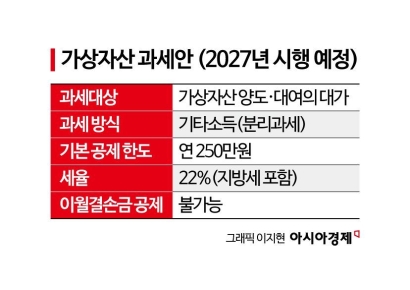 "Stocks Are Not Taxed, but Annual Crypto Gains Over 2.5 Million Won to Be Taxed Next Year... Investors Push Back"
- "Not Jealous of Winning the Lottery"... Entire Village Stunned as 200 Million Won Jackpot of Wild Ginseng Cluster Discovered at Jirisan
- "Rather Than Endure a 1.5 Million KRW Stipend, I'd Rather Earn 500 Million in the U.S." Top Talent from SNU and KAIST Are Leaving [Scientists Are Disappearing] ①
- "How Did an Employee Who Loved Samsung End Up Like This?"... Past Video of Samsung Electronics Union Chairman Resurfaces
- "Even With a 90 Million Won Salary and Bonuses, It Doesn’t Feel Like Much"... A Latecomer Rookie Who Beat 70 to 1 Odds [Scientists Are Disappearing] ③
© The Asia Business Daily(www.asiae.co.kr). All rights reserved.







