National Integration Committee: "Generational Conflicts Persist... Will Explore Housing and Job Issues to Find Solutions"
Chairman Kim Han-gil: "Generational Conflict Is Not a Zero-Sum Game"
![[Image source=Yonhap News]](http://www.asiae.co.kr/news/img_view.htm?img=2023042414230399049_1682313783.jpg)
The proportion of people who responded that "generation conflict is severe" has slightly decreased over the past decade, but more than half still perceive generation conflict as serious.
The Presidential Commission on National Unity announced this on the 19th when it published an issue paper titled "Generation Conflict Seen Through Indicators and Data," analyzing the current level of generation conflict.
Chairman Kim Han-gil stated in the issue paper, "Keeping in mind that generation conflict is not a zero-sum game, we will broadly review issues such as housing and employment through the special committee and seek solutions."
According to the Korea Institute of Public Administration's Korea Social Integration Survey cited by the Commission, the percentage of people who responded that generation conflict is severe decreased slightly from 64.1% in 2013 to 59.6% in 2022. However, more than half still perceive generation conflict as serious.
Four factors influencing generation conflict were analyzed, with the first being differences in "family values." The proportion of people across all generations who perceive marriage, childbirth, and divorce as matters of personal choice has increased.
The response "Marriage is a must" was as high as 50% among people in their 20s in 2013, but in 2022, only 7% answered "yes."
"Political ideological orientation" was also analyzed as a major factor influencing generation conflict. Over the past decade, the proportion of people who identified themselves as "progressive" was 29.9% among those in their 20s and 8.5% among those aged 60 and over in 2013, increasing slightly to 32.2% and 12.7%, respectively, in 2022.
In particular, the proportion of people who believe that their social and economic status is likely to improve within their own generation has dropped by more than 10 percentage points across all age groups over the past decade.
The response that communication between generations is not well established also increased overall regardless of age, from 47% in 2013 to 63.2% in 2022 over the past ten years.
Hot Picks Today
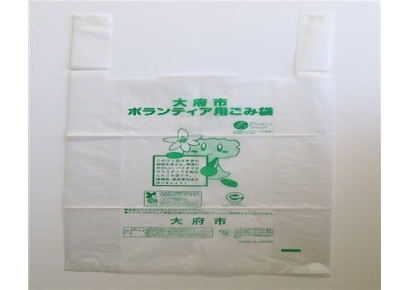 "Only Two Per Person" Garbage Bag Crisis Was Just Yesterday... Japan Also Faces Shortage Anxiety
- "Samsung Electronics Employee with 100 Million Won Salary Receiving 600 Million Won Bonus... Estimated Tax Revealed"
- Lived as Family for Over 30 Years... Daughter-in-Law Cast Aside After Husband's Death
- 'Will Demand Finally Decline Due to High Prices?'... "I'll Just Enjoy Nearby Trips" as Japan and China See a Surge
- "Wore It Once, Then This? White Spots All Over 4.15 Million Won Prada Jacket... 'Full Refund Ordered'"
The Commission stated, "Generation conflict is a social issue where complex causes and various phenomena intersect, so to reduce intergenerational conflict, it is necessary to consider various other aspects such as class, gender, and region together," adding, "Policy improvements such as redefining generation classifications, clearly setting policy targets and directions by generation, and providing informatization education for the elderly are needed."
© The Asia Business Daily(www.asiae.co.kr). All rights reserved.