[General Election Candidates] ⑤ After District Reorganization, From Colleagues to Competitors
Due to the impact of electoral district delimitation, neighboring lawmakers have become competitors
Proportional representation members continue to run in local constituencies of the same party
Every time they met, they greeted each other warmly with handshakes and pats on the back, but now these ‘colleagues’ have turned into 'competitors.' In this April’s general election, the fight to pass through the narrow gate of 253 constituency seats spares no incumbent lawmakers. It might even be better if they belonged to different parties. Constituencies where members of the same party, who once shared meals and cooperated on common issues, now face each other as rivals are increasing. We take a look at incumbent lawmakers who have turned from colleagues into competitors.
◆"They say the electoral districts are merging"... Lawmakers facing each other as competitors from neighboring districts
The National Assembly Electoral District Delimitation Committee (Delimitation Committee) under the National Election Commission submitted the electoral district delimitation plan for next year’s general election on the 5th of last month. Since the plan may be revised after objections from the National Assembly’s Political Reform Special Committee, it is not yet finalized. However, it has caused a significant stir in political circles. This is because the delimitation was based on last January’s population figures, with a minimum of 136,600 and a maximum of 273,200 per district. Among these, many districts saw only minor boundary adjustments. However, due to population decline, some constituencies are being merged. Colleagues who once worked together on local issues as neighboring district lawmakers have now become competitors.
One particularly notable area is Nowon District in Seoul. In the last general election, Democratic Party members Ko Yong-jin (Gap), Woo Won-shik (Eul), and Kim Sung-hwan (Byeong) were elected here. After the delimitation, it is highly likely that only two districts, Gap and Eul, will remain for the April election. Unless the incumbents move to other districts, a face-off between incumbents is inevitable.

Icicles have formed on the Han River near the National Assembly as the ruling and opposition parties continue their standoff by reintroducing the impeachment motion against Lee Dong-gwan, Chairman of the Korea Communications Commission and prosecutor of the Democratic Party, ahead of the plenary session on the 30th. Photo by Hyunmin Kim kimhyun81@
View original imageThe situation is no different in Bucheon and Ansan in Gyeonggi Province. In Bucheon, Democratic Party incumbents Kim Kyung-hyeop (Gap), Seol Hoon (Eul), Kim Sang-hee (Byeong), and Seo Young-seok (Jeong) currently hold seats. Depending on the Political Reform Special Committee’s discussions, the number of districts may be reduced to three. However, the Democratic Party argues that based on population, the number of seats in Gangnam District, Seoul, should be reduced from three to two. Ansan’s situation is similar. Previously, there were four districts: Sangnok Gap (Jeon Hae-cheol, Democratic Party), Eul (Kim Cheol-min, Democratic Party), Danwon Gap (Ko Young-in, Democratic Party), and Eul (Kim Nam-guk, Independent). After delimitation, it is likely to be adjusted to Ansan Gap, Eul, and Byeong.
In Busan, Nam District had two seats: Gap (Park Soo-young, People Power Party) and Eul (Park Jae-ho, Democratic Party). The Delimitation Committee proposed reducing Nam District’s seats to one. According to this, a face-off between incumbent lawmakers from the ruling and opposition parties is unavoidable here as well.
Jeonbuk and Jeonnam provinces are also unlikely to escape the delimitation storm. The four existing constituencies in Jeonbuk (Jeongeup-Gochang, Namwon-Imsil-Sunchang, Gimje-Buan, Wanju-Jinan-Muju-Jangsu) and the four in Jeonnam (Mokpo, Naju-Hwasun, Haenam-Wando-Jindo, Yeongam-Muan-Shinan) face the risk of being reduced to three each due to population decline. The Delimitation Committee has proposed merging administrative districts, and further discussions by the Political Reform Special Committee are expected, but a face-off between incumbent lawmakers is unavoidable in any case.
◆"Let’s compete once"... Districts where ruling and opposition incumbents are expected to face off
Whether face-offs between ruling and opposition incumbents will materialize is also a point of interest. Many cases involve lawmakers who entered the National Assembly through proportional representation but failed to secure a constituency and are now challenging difficult districts. There are also cases where multi-term lawmakers have made political decisions to run in challenging districts. Hong Ik-pyo, the three-term floor leader of the Democratic Party, was elected in Jung-gu Seongdong-gu Gap in the last general election but has declared his candidacy for Seocho Eul, considered a tough district for the Democratic Party in next year’s election. Since Park Sung-joong of the People Power Party, a two-term incumbent, currently holds this district, a face-off between incumbents is anticipated.
Other proportional representation incumbents are also expected to run in tough districts. In Gangdong Gap, Seoul, Jeon Ju-hye of the People Power Party has challenged Jin Sun-mi of the Democratic Party. In Yangcheon Gap, Seoul, Cho Su-jin of the People Power Party has declared candidacy, setting up a likely contest with Hwang Hee of the Democratic Party. In Dong-gu, Daejeon, Yoon Chang-hyun of the People Power Party, who entered via proportional representation, will face off against first-term Democratic Party lawmaker Jang Cheol-min. In Gwangsan Eul, Gwangju, Kwon Eun-hee of the People Power Party, who served twice as a local district lawmaker before entering the 21st National Assembly via proportional representation, is expected to compete against first-term Democratic Party lawmaker Min Hyung-bae. In Hanam, Gyeonggi Province, where district division is planned, a face-off between Lee Yong of the People Power Party, who entered via proportional representation, and current Hanam district lawmaker Choi Jong-yoon of the Democratic Party is anticipated.
In Chuncheon-Cheorwon-Hwacheon-Yanggu Gap, Gangwon Province, incumbent Democratic Party lawmaker Heo Young has been challenged by People Power Party lawmaker Noh Yong-ho. In Anseong, Gyeonggi Province, Choi Hye-young of the Democratic Party, who entered via proportional representation, has declared candidacy against Kim Hak-yong of the People Power Party, who was elected through a by-election. In Yongin Byeong, Gyeonggi Province, Seo Jeong-sook of the People Power Party has declared candidacy against Democratic Party lawmaker Jeong Chun-sook, and in Pyeongtaek Gap, Hong Ki-won of the Democratic Party faces Han Moo-kyung of the People Power Party.
In Jeonbuk Jeonju Eul, the district of Kang Sung-hee of the Progressive Party, who was elected through a by-election, candidates Yang Jeong-sook of the Democratic Party and Jeong Un-cheon of the People Power Party are expected to run.
Except for Sim Sang-jung (Goyang Gap, Gyeonggi Province), Progressive Party lawmakers who entered the National Assembly via proportional representation are exploring district candidacies in this election. Kang Eun-mi of the Progressive Party is challenging Yang Hyang-ja of the Hope of Korea Party in Gwangju Seo Eul. In this district, Kim Kyung-man of the Democratic Party, who also entered via proportional representation, is preparing to run. Ryu Ho-jeong, who maintains Progressive Party affiliation but is active under a new choice, has expressed intention to run in Seongnam Bundang Gap. Bae Jin-kyo is preparing to run in Incheon Namdong Eul, and Lee Eun-joo in Seoul Nowon Byeong. In Mapo Eul, Jang Hye-young of the Progressive Party is expected to face Jeong Cheong-rae of the Democratic Party, who has been elected three times (17th, 19th, and 21st National Assembly) in this district.
![[General Election Candidates] ⑤ After District Reorganization, From Colleagues to Competitors](http://www.asiae.co.kr/news/img_view.htm?img=2024011014053425013_1704863134.jpg)
◆"No mercy even within the same party"... Proportional representation lawmakers targeting same-party incumbents
Among lawmakers who entered via proportional representation, many are willing to compete against incumbents from their own party in the next general election. Kim Hong-gul of the Democratic Party is running in Gangseo Gap, Seoul, where Kang Sun-woo of the Democratic Party is incumbent; Choi Yeon-sook of the People Power Party is running in Dalseo Gap, Daegu, where Hong Seok-jun of the People Power Party is incumbent; Jo Myung-hee of the People Power Party is running in Daegu Dong-eul, where Kang Dae-sik of the People Power Party is incumbent; Lee Dong-joo of the Democratic Party is running in Bupyeong Eul, Incheon, where Hong Young-pyo of the Democratic Party is incumbent; Yang Yi-won-young of the Democratic Party is running in Gwangmyeong, Gyeonggi Province, where Yang Ki-dae of the Democratic Party is incumbent; Kim Byung-joo of the Democratic Party is running in Namyangju Eul, Gyeonggi Province, where Kim Han-jung of the Democratic Party is incumbent; and Kim Ui-gyeom of the Democratic Party is running in Gunsan, Jeonbuk, where Shin Young-dae of the Democratic Party is incumbent.
Hot Picks Today
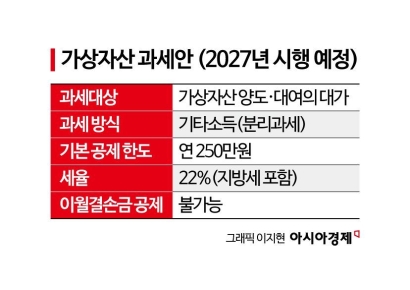 "Stocks Are Not Taxed, but Annual Crypto Gains Over 2.5 Million Won to Be Taxed Next Year... Investors Push Back"
- "Not Jealous of Winning the Lottery"... Entire Village Stunned as 200 Million Won Jackpot of Wild Ginseng Cluster Discovered at Jirisan
- "Even With a 90 Million Won Salary and Bonuses, It Doesn’t Feel Like Much"... A Latecomer Rookie Who Beat 70 to 1 Odds [Scientists Are Disappearing] ③
- "Rather Than Endure a 1.5 Million KRW Stipend, I'd Rather Earn 500 Million in the U.S." Top Talent from SNU and KAIST Are Leaving [Scientists Are Disappearing] ①
- "How Did an Employee Who Loved Samsung End Up Like This?"... Past Video of Samsung Electronics Union Chairman Resurfaces
In Jongno, known as the political hotspot, a primary contest between People Power Party incumbents is highly likely. Ha Tae-kyung of the People Power Party, who declared candidacy in a tough district and left Busan, is set to face Choi Jae-hyung, who was elected through a by-election. In Mapo Gap, part of the Han River Belt, while Democratic Party lawmaker Roh Woong-rae is preparing to run, People Power Party lawmakers Lee Yong-ho, Jo Jeong-hoon, and Choi Seung-jae have each expressed their intention to challenge, drawing attention.
© The Asia Business Daily(www.asiae.co.kr). All rights reserved.







