November Consumer Price Inflation Rate at 3.3%... 3% Range for 4 Consecutive Months (Update)
Last month, the consumer price inflation rate recorded 3.3%. It stayed in the 3% range for four consecutive months, but the rate of increase slowed for the first time in four months.
According to the "November Consumer Price Trends" released by Statistics Korea on the 5th, the consumer price index last month rose 3.3% compared to the same month last year. It maintained the 3% range for four consecutive months following August (3.4%), September (3.7%), and October (3.8%). However, it fell by 0.5 percentage points compared to the previous month.
The core consumer price index, excluding agricultural products and petroleum, rose 3.3% year-on-year. This figure is 0.3 percentage points lower than October's (3.6%). The index excluding food and energy increased by 3.0% compared to the same month last year, with the rate of increase falling by 0.2 percentage points from the previous month.

As import prices continue to rise for the fourth consecutive month, food and household goods prices have also significantly increased over the past year. According to the Korea Consumer Agency on the 14th, among 80 products across 27 household goods categories, prices of more than half, 41 products, have risen compared to November last year. The photo shows a daily necessities sales counter at a large supermarket in Seoul on the 14th. Photo by Kang Jin-hyung aymsdream@
View original imageThe living cost index rose 4.0% year-on-year. The living cost index is calculated based on 144 items out of a total of 458 items, which are frequently purchased and have a large expenditure share, making price changes more sensitive. Among these, food prices increased by 5.7% compared to the same month last year. Non-food items rose by 2.9%. The living cost index including rent and utilities increased by 3.4%.
The fresh food index surged by 12.7% compared to the same month last year. This is 0.6 percentage points higher than October's (12.1%). Fresh fruits rose by 24.6%, fresh vegetables by 9.5%, and fresh fishery products by 1.4% respectively.
Hot Picks Today
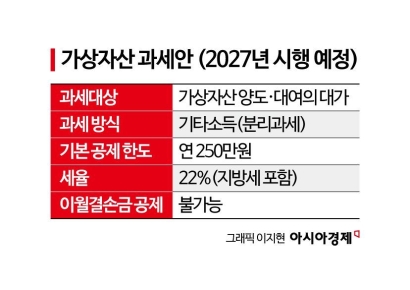 "Stocks Are Not Taxed, but Annual Crypto Gains Over 2.5 Million Won to Be Taxed Next Year... Investors Push Back"
- "Not Jealous of Winning the Lottery"... Entire Village Stunned as 200 Million Won Jackpot of Wild Ginseng Cluster Discovered at Jirisan
- "Even With a 90 Million Won Salary and Bonuses, It Doesn’t Feel Like Much"... A Latecomer Rookie Who Beat 70 to 1 Odds [Scientists Are Disappearing] ③
- "Rather Than Endure a 1.5 Million KRW Stipend, I'd Rather Earn 500 Million in the U.S." Top Talent from SNU and KAIST Are Leaving [Scientists Are Disappearing] ①
- "How Did an Employee Who Loved Samsung End Up Like This?"... Past Video of Samsung Electronics Union Chairman Resurfaces
By expenditure purpose, prices increased year-on-year for food and non-alcoholic beverages (6.2%), food services and accommodation (4.8%), housing, water, electricity, and fuel (2.8%), and clothing and footwear (5.7%), while transportation (-0.1%) decreased.
© The Asia Business Daily(www.asiae.co.kr). All rights reserved.







