Approaching Autumn, Pay Attention to Humidity Management!
After the Chuseok holiday, temperatures suddenly dropped, resulting in chilly weather nationwide. The Korea Meteorological Administration forecasted that some mountainous areas such as Seoraksan and Deogyusan will experience temperatures below freezing, with cold weather continuing through the weekend.
From autumn to winter, the relative humidity in the atmosphere gradually decreases and cools, causing the weather to become dry. Dry weather affects our bodies in various ways.
When relative humidity drops, the nose, bronchi, and respiratory tract become dry, reducing mucus secretion. This weakens the protective barrier function when viruses enter the body, making it easier to catch colds or the flu.
Especially, individuals with existing respiratory diseases such as asthma, rhinitis, and chronic obstructive pulmonary disease need to be cautious as symptoms may worsen.
Dr. Lee Gyumin, a pulmonologist at Daedong Hospital, advised, “Seasonal changes are inevitable, but by paying a little attention to the spaces where you spend time, you can enjoy a healthy autumn. Basic personal hygiene such as hand washing is essential, and it is important to manage humidity so that the respiratory mucosa does not dry out and ciliary function operates smoothly.”

Regardless of the season, an indoor environment with a temperature of 12?22℃ and humidity of 40?60% is considered comfortable.
If humidity falls below 40%, the body becomes dry, which can cause respiratory diseases, chapped lips, dry skin, and itching symptoms.
On the other hand, if humidity is too high, sweat does not evaporate, making it difficult to regulate body temperature, and bacteria or mold can easily proliferate, increasing exposure to conditions such as atopy or asthma.
Specifically, the ideal conditions are 19?23℃ and 50% humidity in spring and autumn, 24?27℃ and 60% humidity in summer, and 18?21℃ and 40% humidity in winter. For a healthy life, it is recommended to have a thermometer and hygrometer in frequently used spaces to objectively monitor conditions.
Humidifiers are the most effective way to increase indoor humidity but require careful management.
When using tap water, it is best to use water collected a day in advance or boiled and cooled water. Install the humidifier at least 1 meter above the floor and keep it at least 2 meters away from people, using it only for an appropriate amount of time.
After use, clean the humidifier thoroughly using natural materials such as baking soda and ensure it is completely dry. If using a humidifier is burdensome, alternatives like pine cones, plants, charcoal, or damp laundry can be used.
Also, ventilate the room about three times a day for 10 minutes each to allow outdoor air to circulate indoors, and clean the indoor space regularly.
Hot Picks Today
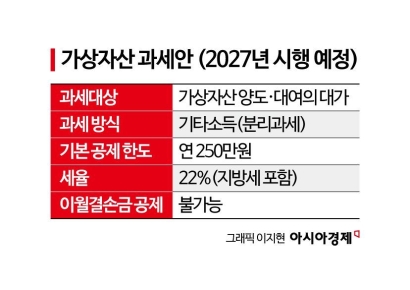 "Stocks Are Not Taxed, but Annual Crypto Gains Over 2.5 Million Won to Be Taxed Next Year... Investors Push Back"
- "Not Jealous of Winning the Lottery"... Entire Village Stunned as 200 Million Won Jackpot of Wild Ginseng Cluster Discovered at Jirisan
- General Strike D-1: Final Negotiations Between Samsung Electronics Labor and Management Over One Key Issue
- "How Did an Employee Who Loved Samsung End Up Like This?"... Past Video of Samsung Electronics Union Chairman Resurfaces
- "Even With a 90 Million Won Salary and Bonuses, It Doesn’t Feel Like Much"... A Latecomer Rookie Who Beat 70 to 1 Odds [Scientists Are Disappearing] ③
Pay attention to humidity management and hydration, get an annual flu vaccination for flu prevention, and during cold and flu outbreaks, wear masks and avoid crowded places.
© The Asia Business Daily(www.asiae.co.kr). All rights reserved.