Japan Strengthens Domestic Consumption Amid China’s Seafood Import Ban... "Actively Increasing Seafood Menu Options"
Expansion of Fukushima Seafood Menu
Pressure on China to Lift Import Restrictions
As China has imposed a ban on Japanese seafood in response to the discharge of contaminated water from the Fukushima Daiichi Nuclear Power Plant, various support measures by companies aiming to redirect this demand domestically are emerging in Japan, where export routes have been blocked.
On the 11th, NHK reported that movements supporting domestic seafood consumption are spreading among Japanese companies. The izakaya franchise Watami decided to offer a special menu using scallops from Hokkaido at 116 domestic stores starting from this day. Originally, this chain did not have any menu items featuring scallops, but to participate in revitalizing domestic demand, they decided to sell four new products, including sushi and butter-grilled scallops, until the 20th.
Since Hokkaido scallops were exported in the largest quantity to China and the impact of the import suspension is the greatest, the company made this decision to promote domestic consumption.

New menu items introduced at Izakaya Watami to promote the consumption of Hokkaido scallops. (Photo by ANN News Channel)
View original imageMiki Watanabe, chairman of Watami, said, "Not being able to export to China will be a huge blow to Japan's seafood industry," adding, "We want to mitigate this damage even a little. We will continue to carry out the campaign."
Distribution companies have also joined in. Aeon, a distribution company operating supermarkets and Aeon malls, has been independently testing tritium levels since the 25th of last month and publishing the results on its website. Aeon stated that no tritium has been detected so far and has set up special sections in supermarkets in the Tokyo metropolitan area and the Tohoku region to start selling Fukushima seafood that has passed the tests.
An Aeon Retail representative said, "We will do our utmost to ensure customers can eat Fukushima seafood with peace of mind."

Tritium concentration in seafood from Fukushima Prefecture measured independently by Aeon. (Photo by NHK)
View original imageThe government is also encouraging these efforts. On the 8th, Agriculture, Forestry and Fisheries Minister Tetsuro Nomura instructed public institution cafeterias to actively increase the use of Japanese seafood in their menus.
Minister Nomura said, "I requested cooperation to increase seafood menu items to quickly expand consumption of Japanese seafood such as scallops," emphasizing, "We will work hard to expand domestic consumption of Japanese seafood."
Prime Minister Fumio Kishida, who attended the Group of Twenty (G20) summit, is working to persuade international public opinion. At a press conference held in India the day before, he explained, "I have fully explained the discharge of treated water from the Fukushima Daiichi Nuclear Power Plant (the Japanese government’s term for contaminated water) at the summit and meetings," adding, "Many countries have so far evaluated the discharge process as safe and transparent, and I feel this understanding has further spread."
He also raised his voice toward China, which imposed the seafood import ban, saying, "We will demand the immediate withdrawal of import restrictions on Japanese seafood using the World Trade Organization (WTO) and other means."
Hot Picks Today
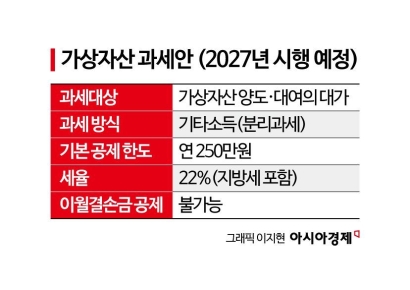 "Stocks Are Not Taxed, but Annual Crypto Gains Over 2.5 Million Won to Be Taxed Next Year... Investors Push Back"
- "Not Jealous of Winning the Lottery"... Entire Village Stunned as 200 Million Won Jackpot of Wild Ginseng Cluster Discovered at Jirisan
- "Rather Than Endure a 1.5 Million KRW Stipend, I'd Rather Earn 500 Million in the U.S." Top Talent from SNU and KAIST Are Leaving [Scientists Are Disappearing] ①
- "How Did an Employee Who Loved Samsung End Up Like This?"... Past Video of Samsung Electronics Union Chairman Resurfaces
- "Even With a 90 Million Won Salary and Bonuses, It Doesn’t Feel Like Much"... A Latecomer Rookie Who Beat 70 to 1 Odds [Scientists Are Disappearing] ③
Meanwhile, the impact of China’s ban on the Japanese seafood export market is becoming visible. NHK reported that as of July, when the Chinese government began comprehensive radiation inspections, seafood export value dropped significantly to 7.7 billion yen (69.8 billion won), 23% less than the same period last year.
© The Asia Business Daily(www.asiae.co.kr). All rights reserved.