"Increase in Legionella Infection" Daejeon City Strengthens Inspections of Multi-use Facilities
Daejeon City announced on the 15th that it will conduct cooling water environment inspections at multi-use facilities and other locations from this month until September to prevent the spread of Legionella bacteria.
Legionella bacteria cause one of the respiratory diseases common in summer and are classified as a third-class infectious disease. Infected patients experience symptoms such as fever, headache, muscle pain, chills, abdominal pain, and diarrhea.
Infection mainly occurs through inhalation of aerosols containing Legionella bacteria mixed in water from cooling tower water of large buildings, water supply facilities, bathtubs, fountains, and the like.
In particular, Legionella bacteria can cause mass outbreaks if they occur in water supply facilities of multi-use facilities, so caution is necessary.
In South Korea, reports of Legionella infections have been increasing since 2016. The number of reported infections by year were 128 in 2016, 198 in 2017, 305 in 2018, 501 in 2019, 368 in 2020, 383 in 2021, and 439 last year, showing fluctuations.
Last year in Daejeon, 32 cases (5.7%) of Legionella bacteria were detected out of 557 tests conducted by the Daejeon Health and Environment Research Institute. This year, the first case of Legionella bacteria detected in cooling tower water of a large building was reported at the end of last month.
Accordingly, Daejeon City plans to proactively strengthen Legionella bacteria inspections to prevent infections. The inspection targets include ▲large buildings, department stores, food service establishments, academies, and other multi-use facilities ▲hotels, inns, apartments, and other communal housing ▲general hospitals, nursing hospitals, elderly welfare facilities, and other medical facilities ▲large public baths, jjimjilbangs, fountains, and the like.
Daejeon City plans to focus inspections on high-risk facilities such as immunocompromised patient care facilities, elderly population care facilities, multi-use facilities, aging facilities, and facilities related to patient occurrences in 2022 by assessing the risk level of Legionellosis occurrence.
Also, when Legionella bacteria are detected in inspection results, the relevant building managers and public hygiene departments will be notified to carry out cleaning and disinfection measures, and re-inspections will be conducted to reconfirm whether the bacteria count meets the standard.
Hot Picks Today
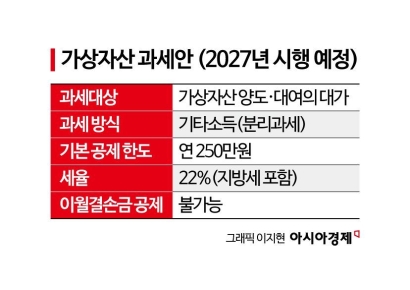 "Stocks Are Not Taxed, but Annual Crypto Gains Over 2.5 Million Won to Be Taxed Next Year... Investors Push Back"
- "Not Jealous of Winning the Lottery"... Entire Village Stunned as 200 Million Won Jackpot of Wild Ginseng Cluster Discovered at Jirisan
- "Rather Than Endure a 1.5 Million KRW Stipend, I'd Rather Earn 500 Million in the U.S." Top Talent from SNU and KAIST Are Leaving [Scientists Are Disappearing] ①
- "How Did an Employee Who Loved Samsung End Up Like This?"... Past Video of Samsung Electronics Union Chairman Resurfaces
- "Even With a 90 Million Won Salary and Bonuses, It Doesn’t Feel Like Much"... A Latecomer Rookie Who Beat 70 to 1 Odds [Scientists Are Disappearing] ③
Jae-yong Jeong, Director of the Citizen Sports and Health Bureau of Daejeon City, said, “As this year’s heatwave is expected to be severe, managers of multi-use facilities and others are urged to thoroughly manage cooling facilities to prevent Legionellosis infections.”
© The Asia Business Daily(www.asiae.co.kr). All rights reserved.