"Kids Are Getting Fat" Chocolate and Strawberry Milk Ban Card Being Considered Only in the US
US Department of Agriculture Considers Banning Flavored Milk in Elementary and Middle Schools
Debate Over Ban: "Cause of Obesity" vs "Kids Won't Drink Milk at All"
The U.S. government is considering a plan to ban flavored milk, such as chocolate milk and strawberry milk, in school meals.
According to the Wall Street Journal (WSJ) on the 15th (local time), the U.S. Department of Agriculture (USDA) is deliberating on a ban on flavored milk. The reason is that the added sugars commonly found in flavored milk are contributing to childhood obesity and may foster unhealthy eating habits that favor sweetened beverages. Currently, most flavored milk served in U.S. school meals is chocolate milk.
Earlier this year, the USDA withheld recommendations regarding flavored milk when releasing school meal guidelines. However, the USDA is now considering options to exclude flavored milk not only in elementary schools but also in middle schools, as well as the option to continue allowing flavored milk in all schools as is. It is also reported that even if flavored milk is permitted, the USDA plans to implement new regulations limiting the amount of added sugars in such milk.
"Flavored Milk Causes Obesity" vs. "Ban Will Lead to Less Milk Consumption"
![[Image source=Pixabay]](http://www.asiae.co.kr/news/img_view.htm?img=2023051607411931830_1684190479.jpg)
Public opinion among parents and educators is sharply divided over whether to eliminate flavored milk. Supporters of the ban point to studies showing that flavored milk accounts for the largest portion of added sugars consumed by students at school, highlighting obesity concerns. Critics also argue that children’s taste buds become accustomed to sweetness, potentially leading to less healthy eating habits in adulthood.
On the other hand, some in the education sector and industry warn that banning flavored milk could lead to children drinking less milk overall. This raises concerns about reduced intake of other essential nutrients found in milk, such as calcium and protein.
In fact, when a school district in Massachusetts banned flavored milk in 2019, only 57% of students chose to drink milk. This contrasts sharply with another district that continued to allow flavored milk, where 94% of students drank milk.
However, there is also significant counterargument that if chocolate milk continues to be banned, children will eventually drink plain milk. WSJ reported that in a New England school district, after chocolate milk was removed from the lunch line in 2017, fewer than 52% of students drank plain milk initially, but two years later, 72% were drinking plain milk.
Cindy Long, director of the USDA Food and Nutrition Service, said, "Flavored milk is a challenging issue for which we need to find the optimal solution. We encourage children to consume milk but also recognize the need to reduce added sugar intake."
Hot Picks Today
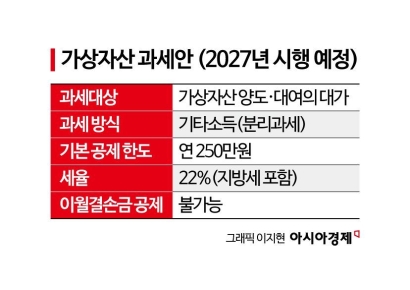 "Stocks Are Not Taxed, but Annual Crypto Gains Over 2.5 Million Won to Be Taxed Next Year... Investors Push Back"
- "Not Jealous of Winning the Lottery"... Entire Village Stunned as 200 Million Won Jackpot of Wild Ginseng Cluster Discovered at Jirisan
- "Even With a 90 Million Won Salary and Bonuses, It Doesn’t Feel Like Much"... A Latecomer Rookie Who Beat 70 to 1 Odds [Scientists Are Disappearing] ③
- General Strike D-1: Final Negotiations Between Samsung Electronics Labor and Management Over One Key Issue
- "How Did an Employee Who Loved Samsung End Up Like This?"... Past Video of Samsung Electronics Union Chairman Resurfaces
Meanwhile, the USDA Food and Nutrition Service plans to make a final decision on flavored milk next year and implement new regulations starting with the 2025?2026 school year.
© The Asia Business Daily(www.asiae.co.kr). All rights reserved.