Travel to Croatia, Exchange to Euro from New Year... 20th Member of the Eurozone
Existing 'Kuna' Usable Until the 14th of This Month
Schengen Free Movement Area Also Joined...Expecting Tourism Boom

On the 14th of last month (local time), a scene of exchanging Croatian currency Kuna to Euro at a bank in Zagreb, Croatia. Zagreb=AP·Yonhap News
View original image[Asia Economy Reporter Hyunwoo Lee] Croatia has abandoned its traditional currency, the 'Kuna,' and started using the Euro from the first day of the new year. Along with this, it has joined the 'Schengen Agreement,' which allows free movement across borders among European Union (EU) member countries without border checks, raising expectations for a tourism boom.
Even before COVID-19, Croatia attracted over 17 million tourists annually and boasts famous tourist destinations such as the UNESCO World Heritage site Dubrovnik. With the removal of border checks and currency exchange barriers, various travel products are expected to emerge in the future.
EU Commission President Visits Croatia: "A Day for History Books"

On the 1st (local time), Croatian Prime Minister Plenkovi? (left) and Ursula von der Leyen, President of the European Commission (EU), who held talks in Zagreb, are examining Euro coins together. Zagreb = Photo by AP and Yonhap News
View original imageAccording to the Associated Press on the 1st (local time), Croatia officially abandoned its national currency, the Kuna, and began using the Euro. The exchange rate was set at 7.5345 Kuna per Euro, and both Kuna and Euro will be accepted until the 14th. Additionally, Croatian banks will exchange Kuna for Euro without any fees until the end of the year.
With this, Croatia became the 20th member of the Eurozone and simultaneously signed the Schengen Agreement, allowing free passage across borders without procedures among EU member states. Consequently, citizens of other EU countries can now travel freely to Croatia without passport checks or visas.
To celebrate Croatia's new entry into the Eurozone, Ursula von der Leyen, President of the European Commission, personally visited Croatia. During her visit to Zagreb, she emphasized, "Today, there is no place in Europe where a new beginning and a new chapter have started more than at the border between Croatia and Slovenia," adding, "Today is a day for history books."
Concerns Over Inflation, But Tourism Boom Expected

The view of Dubrovnik, a famous tourist destination in Croatia listed as a World Cultural Heritage site. Dubrovnik = Reuters·Yonhap News
View original imageWith the Euro now in circulation in Croatia following its Eurozone accession, concerns about inflation have arisen, but overall expectations for a tourism boom are stronger.
According to CNBC, Valdis Dombrovskis, the EU's Executive Vice President for Trade, recently predicted at a press conference that "Croatia's inflation rate will rise by about 0.1 to 0.3 percentage points in the short term after the introduction of the Euro." Some Croatian citizens opposed the Euro adoption due to inflation concerns. A Eurobarometer survey conducted in April last year showed that 42% of Croatians opposed the introduction of the Euro.
However, given the already sharp rise in prices due to energy costs following Russia's invasion of Ukraine, expectations are growing that joining the Eurozone will instead stimulate tourism and foreign investment. Croatia recorded an inflation rate of 13.5% in November last year, and it is forecasted to drop to around 5.7% after the first half of this year.
Hot Picks Today
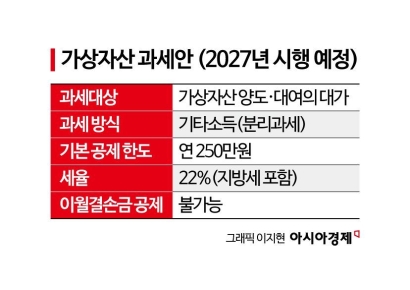 "Stocks Are Not Taxed, but Annual Crypto Gains Over 2.5 Million Won to Be Taxed Next Year... Investors Push Back"
- "Not Jealous of Winning the Lottery"... Entire Village Stunned as 200 Million Won Jackpot of Wild Ginseng Cluster Discovered at Jirisan
- "Rather Than Endure a 1.5 Million KRW Stipend, I'd Rather Earn 500 Million in the U.S." Top Talent from SNU and KAIST Are Leaving [Scientists Are Disappearing] ①
- "How Did an Employee Who Loved Samsung End Up Like This?"... Past Video of Samsung Electronics Union Chairman Resurfaces
- "Even With a 90 Million Won Salary and Bonuses, It Doesn’t Feel Like Much"... A Latecomer Rookie Who Beat 70 to 1 Odds [Scientists Are Disappearing] ③
Particularly, as tourists begin to return to major destinations like Dubrovnik, which experienced a downturn during COVID-19, attention is focused on whether the tourism industry will recover to pre-pandemic levels. Before COVID-19, Croatia attracted 17 million tourists annually, and tourism accounted for more than 20% of the country's total Gross Domestic Product (GDP), making it the largest industry.
© The Asia Business Daily(www.asiae.co.kr). All rights reserved.