'10-Fold Increase in Examination Fees Over 4 Years'... 'Moon Care' MRI Intensive Review Announced
Including 'Moon Jae-in Care', Rapid Increase in Test Costs
Next Year's Selective Intensive Review Items Revealed
MRI, Acupuncture, Oral Therapy, and Cupping Therapy Performed Simultaneously
![[Photo by Asia Economy DB]](http://www.asiae.co.kr/news/img_view.htm?img=2014101415325225328_1.jpg)
[Asia Economy Reporter Chunhee Lee] Starting next year, the Health Insurance Review and Assessment Service (HIRA) has announced focused reviews on brain, cerebrovascular, and cervical vascular magnetic resonance imaging (MRI) scans conducted due to headaches and dizziness. MRI, along with ultrasound, became covered by health insurance under the so-called 'Moon Jae-in Care,' and the examination fees surged nearly tenfold from 189.1 billion KRW in 2018 to 1.8476 trillion KRW last year, making it a representative item for reform.
On the 30th, HIRA announced through its website the 2023 selective focused review items, including brain, cerebrovascular, and cervical vascular MRI, and simultaneous procedures of three Korean medicine techniques (acupuncture, moxibustion, and cupping therapy). The selective focused review is a preemptive review system implemented since 2007 to induce autonomous improvement in medical institutions' treatment trends by selecting items that require improvement due to increased medical expenses, review issues, or social concerns, and conducting focused reviews after prior notice.
The 2023 selective focused review covers a total of 17 items. Reflecting the characteristics of different types of medical institutions, 12 items were selected for tertiary general hospitals, 14 for general hospitals, and 10 for clinics and hospitals. New items include brain, cerebrovascular, and cervical vascular MRI performed for headaches and dizziness, as well as ▲nerve block procedures ▲ocular optical coherence tomography ▲positron emission tomography (PET)-torso ▲GnRHa injections ▲and simultaneous procedures of three Korean medicine techniques (acupuncture, moxibustion, and cupping therapy). Among existing items, ▲immune checkpoint inhibitors ▲tumor necrosis factor (TNF)-alpha inhibitors ▲and vitamin D tests will expand the types of medical institutions subject to review due to increased claims.
HIRA explained that these target items are "those with high medical expense growth rates, items requiring focused management of coverage criteria application, and items with a high possibility of misuse," and that opinions were gathered through the Central Review Coordination Committee, which includes citizen participation committees and medical organizations.
Hot Picks Today
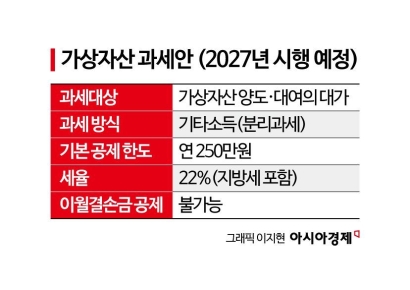 "Stocks Are Not Taxed, but Annual Crypto Gains Over 2.5 Million Won to Be Taxed Next Year... Investors Push Back"
- "Not Jealous of Winning the Lottery"... Entire Village Stunned as 200 Million Won Jackpot of Wild Ginseng Cluster Discovered at Jirisan
- "Even With a 90 Million Won Salary and Bonuses, It Doesn’t Feel Like Much"... A Latecomer Rookie Who Beat 70 to 1 Odds [Scientists Are Disappearing] ③
- "Rather Than Endure a 1.5 Million KRW Stipend, I'd Rather Earn 500 Million in the U.S." Top Talent from SNU and KAIST Are Leaving [Scientists Are Disappearing] ①
- "How Did an Employee Who Loved Samsung End Up Like This?"... Past Video of Samsung Electronics Union Chairman Resurfaces
Kim Yeonsuk, Director of the Review Operations Office at HIRA, stated, “Through guidance on selective focused review items and continuous monitoring, we plan to continuously induce autonomous improvement in treatment trends by providing customized information to medical institutions that require improvement.”
© The Asia Business Daily(www.asiae.co.kr). All rights reserved.







