3 out of 4 Pediatric Training Hospitals Plan to Reduce Services Next Year... Reality of Medical Service Crisis Emerges
Sharp Drop in Resident Application Rates
Limits On-Call Operations
"Urgent Measures Needed"

Gachon University Gil Medical Center recently suspended inpatient pediatric care due to staff shortages and other reasons.
View original image[Asia Economy Reporter Lee Gwan-ju] Recently, Gachon University Gil Medical Center, a tertiary hospital in Incheon, has suspended inpatient care for pediatric and adolescent patients. Meanwhile, it has been revealed that three out of four pediatric training hospitals in South Korea plan to reduce their medical services starting next year. There are even concerns that the pediatric care system could collapse due to a shortage of personnel.
According to the Korean Pediatric Society on the 16th, a survey conducted this year targeting pediatric training hospitals nationwide showed that 75% of hospitals responded that they plan to reduce medical services from next year. The most common response was to close or reduce emergency care (61%), followed by reducing inpatient care (12.5%) and reducing intensive care units (5%).
The biggest problem is the shortage of personnel. As of this year, the percentage of training hospitals with no resident doctors on duty has increased to 12.5% in Seoul and 20% in provincial areas. Especially, the absence of residents in provincial regional training hospitals has deepened, and next year, only 39% of the required resident workforce will be available, according to the society. Although the shortage of residents has been compensated by relying on professors and specialists on duty, after two years, the situation has reached its limit, leading to a rapid reduction in emergency and inpatient care volumes at regional training hospitals in both provincial areas and the metropolitan area.
Moreover, in the nationwide resident recruitment held from the 5th to the 7th of this month for next year, only 33 out of 199 available positions in pediatrics were filled, resulting in a plummeting application rate of 16.6%. The application rate for pediatric residents was 80% in 2019 and 74% in 2020, showing some level of support, but it dropped to 38% in 2021 and 27.5% in 2022.
This worsening shortage of personnel has directly led to problems in hospital care. According to a nationwide survey of training hospitals conducted by the society this year, only 36% of training hospitals can provide normal 24-hour pediatric emergency care. Although 75% of training hospitals have professors on duty, only 27% operate with at least one dedicated inpatient specialist. In Seoul alone, Gangnam Severance Hospital, Ewha Mokdong Hospital, and Hanyang University Hospital have reduced night care or emergency room services for pediatric patients. This has been pointed out as causing a "balloon effect," where pediatric patients flock to nearby hospitals.
The medical community expresses strong concern that despite the reality of the pediatric care collapse crisis, no effective measures have been proposed. The society demands from the government and related agencies the implementation of measures such as ▲ reforming the fee system and care delivery system focusing on severity-centered secondary and tertiary care ▲ shifting to specialist-centered care ▲ implementing training support and incentive policies such as resident wage support ▲ establishing a dedicated department for essential pediatric medical support and policy implementation.
The society stated, "Due to the shortage of pediatric specialists, the reduction and contraction of high-difficulty, intensive, and emergency care are rapidly progressing, threatening patient safety and the social safety net. We strongly urge the government and related agencies to promptly implement policies to prevent a pediatric care crisis, restore the inflow of resident doctors, and resolve the shortage of medical personnel."
Hot Picks Today
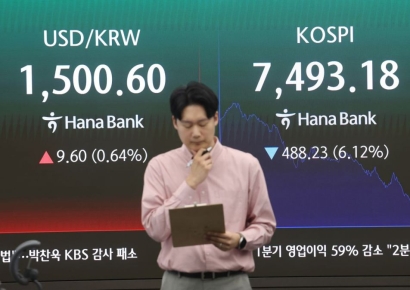 After Topping 8,000 Instead of Hitting 10,000... KOSPI Plunges—When Will It Rebound?
- "Samsung and Hynix Were Once for the Underachievers"... Hyundai Motor Employee's Lament
- [Breaking] Court Rules Against Samsung Electronics Union...1 Billion Won per Day Penalty for Exceeding Strike Scope
- 'Real Strike' Looms as Samsung Union Grows More Hardline... How the 2024 Strike Process Compares
- "That? It's Already Stashed" Nightlife Scene Crosses the Line [ChwiYak Nation] ③
Meanwhile, the Korean Pediatric Society, the Korean Pediatric Association, and the Korean Children's Hospital Association plan to hold a joint press conference this afternoon at the Korean Medical Association building in Ichon-dong, Yongsan-gu, Seoul, to raise their voices demanding measures to overcome the crisis of the pediatric health safety net collapse.
© The Asia Business Daily(www.asiae.co.kr). All rights reserved.