Jajangmyeon and Gimbap Prices Jump 10% as Ingredient Costs Hit Record High... Dining Industry Recovers for Fourth Consecutive Quarter

[Asia Economy Sejong=Reporter Kim Hyewon] The dining-out industry has continued its recovery for the fourth consecutive quarter, but the cost of food ingredients has hit an all-time high. Consumer burdens are increasing due to product price hikes. Prices of food items such as Jajangmyeon, Kalguksu, and Gimbap have risen by more than 10% since the beginning of this year.
According to the '2022 3rd Quarter Dining-Out Industry Business Condition Index' report by the Korea Agro-Fisheries & Food Trade Corporation (aT) on the 26th, the dining-out industry business condition index for the 3rd quarter was 89.84, up 4.28 points from the previous quarter. This marks the fourth consecutive quarter of growth since the 4th quarter of last year.
The dining-out industry business condition index quantifies the sales and business sentiment of the dining-out sector over the past three months compared to the same period last year. A figure above 100 indicates that more businesses expect an improvement in conditions, while a figure below 100 indicates the opposite.
The index rose from 70.84 in the 1st quarter of this year to 85.56 in the 2nd quarter, when social distancing measures were lifted, and increased slightly again in the 3rd quarter.
By sector in the 3rd quarter, the highest was catering service at 104.21, followed by institutional cafeteria services (97.96), pubs (95.08), non-alcoholic beverage shops (90.13), Korean restaurants (89.80), foreign cuisine restaurants (87.86), and other simple eateries (85.23).

Despite the recovery in dining-out conditions, the cost level of food ingredients in the dining-out industry reached a record high in the 3rd quarter. The food ingredient cost index for the 3rd quarter was 145.89, up 0.71 points from the previous quarter. It has been rising for seven consecutive quarters since the 1st quarter of last year, setting new records each quarter. This index reflects the cost level of food ingredients compared to the same period last year; a figure above 100 means costs have increased.
By sector, Korean restaurants had the highest index at 148.41, followed by foreign cuisine restaurants (147.59), institutional cafeterias (146.61), other simple eateries (146.47), pubs (144.42), catering services (142.04), and non-alcoholic beverage shops (137.21).
aT analyzed, "The ongoing Russia-Ukraine war has caused international food prices to surge, and global inflation along with a significant rise in exchange rates since the 2nd quarter are negatively impacting the dining-out industry, which heavily depends on imported ingredients." They added, "There are still more businesses reporting decreased sales compared to the same period last year than those reporting increases. The outlook index predicting the business trend for the next quarter also slightly declined to 94.98 compared to the previous quarter, indicating that many dining-out businesses will need to establish crisis management strategies for the upcoming winter."
Hot Picks Today
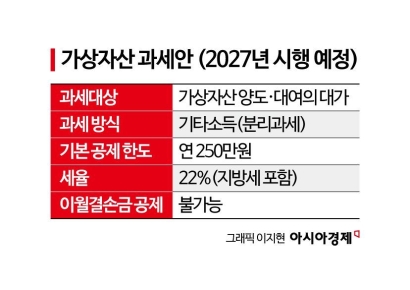 "Stocks Are Not Taxed, but Annual Crypto Gains Over 2.5 Million Won to Be Taxed Next Year... Investors Push Back"
- "Not Jealous of Winning the Lottery"... Entire Village Stunned as 200 Million Won Jackpot of Wild Ginseng Cluster Discovered at Jirisan
- "Rather Than Endure a 1.5 Million KRW Stipend, I'd Rather Earn 500 Million in the U.S." Top Talent from SNU and KAIST Are Leaving [Scientists Are Disappearing] ①
- "How Did an Employee Who Loved Samsung End Up Like This?"... Past Video of Samsung Electronics Union Chairman Resurfaces
- "Even With a 90 Million Won Salary and Bonuses, It Doesn’t Feel Like Much"... A Latecomer Rookie Who Beat 70 to 1 Odds [Scientists Are Disappearing] ③
Since rising food ingredient prices in dining-out businesses lead to future product price increases, consumer burdens are inevitably growing. According to the Korea Consumer Agency's comprehensive price information portal 'Chamgagyeok,' the average price of Jajangmyeon in Seoul last month was 6,300 won, up 13.8% from a year ago. Kalguksu was 8,423 won, up 12.9%, and Gimbap was 3,046 won, up 11.5%. Samgyeopsal was 18,851 won (based on 200g), up 9.7%, Naengmyeon was 10,500 won, up 9.6%, and Samgyetang was 15,462 won, up 9.2%, respectively.
© The Asia Business Daily(www.asiae.co.kr). All rights reserved.







