426 Cases of False Labeling of Intellectual Property Rights in Convenience Food Online Sales Detected

[Asia Economy (Daejeon) Reporter Jeong Il-woong] A total of 426 cases of false intellectual property rights (IPR) labeling on convenience foods sold online have been caught in a crackdown.
The Korean Intellectual Property Office (KIPO) announced on the 21st that it conducted a seven-week intensive crackdown on false IPR labeling of convenience foods sold online since June, uncovering 426 cases of false labeling across nine products.
The types of false labeling detected include ▲244 cases where expired rights were falsely labeled as valid ▲135 cases where rights were indicated despite registration being rejected ▲29 cases of incorrect IPR names ▲18 cases of non-existent rights being labeled.
The products found with false labeling were ▲Collagen Ramen with 121 cases ▲Silver Hairtail Braised Meal Kit with 86 cases ▲Large-quantity Jaecheop Soup with 83 cases ▲Jeju Soybean Raw Natto with 49 cases ▲and 87 cases in other products, showing that false IPR labeling was more prevalent in meal-type convenience foods than snacks.
KIPO guided the correction of false labeling by notifying the proper IPR labeling methods for the nine products and 426 cases detected during the crackdown, instructing the modification or deletion of related product information.
Hot Picks Today
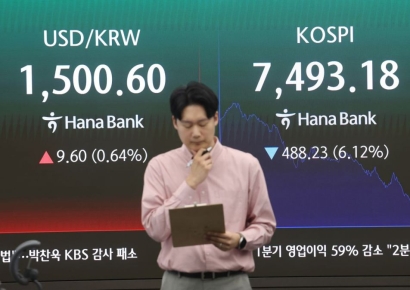 After Topping 8,000 Instead of Hitting 10,000... KOSPI Plunges—When Will It Rebound?
- "Samsung and Hynix Were Once for the Underachievers"... Hyundai Motor Employee's Lament
- [Breaking] Court Rules Against Samsung Electronics Union...1 Billion Won per Day Penalty for Exceeding Strike Scope
- Six Economic Organizations Urge Withdrawal of Samsung Electronics Strike Plan...Warn of National Loss of Opportunity
- "That? It's Already Stashed" Nightlife Scene Crosses the Line [ChwiYak Nation] ③
Yang In-su, head of the Unfair Competition Investigation Team at KIPO, said, “We will strengthen inspections of false IPR labeling on products related to public health and hygiene and expand related education and publicity to prevent false IPR labeling.”
© The Asia Business Daily(www.asiae.co.kr). All rights reserved.







