55 Thai Tourists Disappear Again in Jeju... Red Flag for Illegal Stay Loophole
417 of 697 Arrivals by Charter Flight Over Four Days Denied Entry
Government Plans to Include Jeju in 'Electronic Travel Authorization System' Areas
![On the morning of the 5th, the departure floor of the domestic terminal at Gimpo Airport in Gangseo-gu, Seoul, was bustling with travelers. On this day, Gimpo Airport was busy with citizens heading to places like Jeju for their summer vacations. <br>[Image source=Yonhap News]](http://www.asiae.co.kr/news/img_view.htm?img=2022080716502577843_1659858625.png)
On the morning of the 5th, the departure floor of the domestic terminal at Gimpo Airport in Gangseo-gu, Seoul, was bustling with travelers. On this day, Gimpo Airport was busy with citizens heading to places like Jeju for their summer vacations.
[Image source=Yonhap News]
[Asia Economy Intern Reporter Kim Nayeon] It has been confirmed that the whereabouts of about 50 Thai group tourists who visited Jeju have become unknown.
According to the Jeju Immigration Office of the Ministry of Justice on the 7th, among the 280 Thai nationals who were permitted entry and embarked on a group tour in Jeju from the 2nd to the 5th, after Jeju Air started operating direct charter flights between Jeju and Bangkok, 55 people (19.6%) deviated from the 2-night 3-day tour schedule and their whereabouts remain unknown.
The Jeju Immigration Office is currently investigating the whereabouts of the missing Thai nationals.
During this period, a total of 697 Thai nationals arrived in Jeju from Bangkok via Jeju Air direct flights. Among them, 55 people disappeared: 34 who entered on the 2nd, 18 on the 3rd, and 3 on the 4th. Notably, 417 of them (59.8%) were denied entry due to "unclear purpose of entry."
The Jeju Immigration Office believes that many Thai nationals traveling to Jeju have a history of being denied electronic travel authorization (K-ETA) in the past, and when entry through other domestic airports such as Incheon Airport was blocked, they attempted to enter via Jeju as a detour.
In fact, among the 697 people, 367 (52.7%) were confirmed to have a history of being denied electronic travel authorization.
Accordingly, on the previous day (the 6th), among 115 Thai nationals who arrived in Jeju on a Jeju Air charter flight, 89 were classified for re-examination of entry, and 74 of them were ultimately denied entry.
In Jeju, on the 3rd of last month, 36 out of 166 Thai nationals who entered for tourism purposes also disappeared, and their whereabouts remain unknown to date.
As illegal entry attempts by Thai group tourists in Jeju continued, the Ministry of Justice strongly announced on the 4th that it would push to include Jeju Island in the electronic travel authorization system application area.
The electronic travel authorization system requires nationals of 112 countries who previously could enter Korea visa-free to obtain travel authorization before departure. When introduced in September last year, Jeju was exempted from this requirement considering its status as an international tourist city.
The Ministry of Justice views that some foreigners who can enter Korea visa-free are abusing Jeju, where electronic travel authorization is not required, as a place for illegal stay.
Hot Picks Today
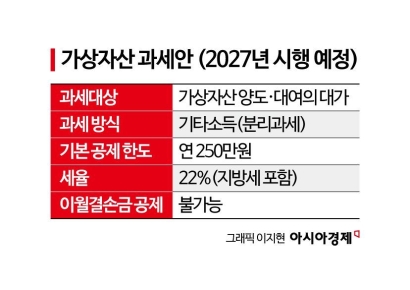 "Stocks Are Not Taxed, but Annual Crypto Gains Over 2.5 Million Won to Be Taxed Next Year... Investors Push Back"
- "Not Jealous of Winning the Lottery"... Entire Village Stunned as 200 Million Won Jackpot of Wild Ginseng Cluster Discovered at Jirisan
- "Rather Than Endure a 1.5 Million KRW Stipend, I'd Rather Earn 500 Million in the U.S." Top Talent from SNU and KAIST Are Leaving [Scientists Are Disappearing] ①
- "How Did an Employee Who Loved Samsung End Up Like This?"... Past Video of Samsung Electronics Union Chairman Resurfaces
- "Even With a 90 Million Won Salary and Bonuses, It Doesn’t Feel Like Much"... A Latecomer Rookie Who Beat 70 to 1 Odds [Scientists Are Disappearing] ③
Meanwhile, Jeju Province officially visited the Ministry of Justice and requested on the 7th to postpone the policy push to introduce the electronic travel authorization (K-ETA) system in Jeju as well.
© The Asia Business Daily(www.asiae.co.kr). All rights reserved.