So Far Just a Warning... The Increase in Car Prices in the Second Half of the Year Will Be Even Larger
Hyundai Motor and Kia Declare in Recent Conference Call
"Material Cost Increases Will Be Reflected in New Car Prices"
1.15 Million Units Pending Domestic Delivery... Delivery Backlog Continues
Electric Vehicles and Others Recognized for Quality... Conditions Favor Receiving Full Price Increased

[Asia Economy Reporter Choi Dae-yeol] "The application of raw material price increases is expected to grow in the second half of the year." (Seo Kang-hyun, Head of Planning and Finance at Hyundai Motor Company, during the earnings conference call on the 21st)
"In the second half of this year, whether electric vehicles or internal combustion engine vehicles, a significant portion of material costs will be passed on to prices." (Jung Sung-guk, Executive Director in charge of IR at Kia, on the 22nd)
Hyundai Motor Company and Kia have openly declared that they will significantly raise vehicle prices after the second half of the year. The main reason cited is the increase in raw material prices. Since the end of last year, when the COVID-19 endemic was being discussed, demand for various raw materials has increased due to expectations of economic recovery, causing prices to rise considerably. Furthermore, since the beginning of this year, the supply shortage caused by Russia's invasion of Ukraine has intensified the price surge.

Typically, the production process of finished vehicles involves a time lag of several months from raw material procurement to final product manufacturing. This means that the sharply increased production costs incurred this year will be reflected in various new vehicles released after the second half of the year. Generally, automakers adjust prices when releasing model year changes or partial/full model updates. The electric vehicle Ioniq 5 recently changed to a model year update, resulting in a price increase of around 4 million KRW. Considering specifications, frontline consumers have seen an increase in costs of about 5 to 6 million KRW. Other models have also seen price increases of tens to hundreds of thousands of KRW with model year updates featuring different specifications.
While demand to purchase vehicles is heavily backlogged, supply is lagging, so manufacturers feel less burden in raising prices. Even if prices are high, there are plenty of buyers lined up. Hyundai and Kia's order backlogs (backorders) in the domestic market alone reach 1.15 million units (Hyundai 640,000; Kia 510,000). This is the aftermath of the parts supply shortage, including vehicle semiconductors, which has continued for over two years. If the parts shortage were a problem for only one or two makers, consumers could choose products from other companies, but since virtually all automakers worldwide are experiencing this issue, there is no alternative brand.

This situation is not unique to South Korea, where market share is quite high. The reason Hyundai and Kia were able to achieve record earnings in the second quarter of this year was largely due to reduced incentives in the United States, the largest single market. In the U.S., the incentives given to dealers who directly interact with customers significantly affect company performance.
The company interprets this as a sign that product quality and brand awareness have been recognized to some extent among local consumers. Joo Woo-jung, Head of Finance at Kia, recently stated during a conference call, "While striving to receive fair prices, we have emphasized that the brand competitiveness has been strengthened from previously being value-for-money vehicles, and we will adopt a pricing system appropriate to that."
Hot Picks Today
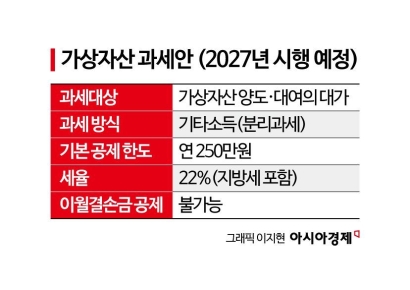 "Stocks Are Not Taxed, but Annual Crypto Gains Over 2.5 Million Won to Be Taxed Next Year... Investors Push Back"
- "Not Jealous of Winning the Lottery"... Entire Village Stunned as 200 Million Won Jackpot of Wild Ginseng Cluster Discovered at Jirisan
- "Rather Than Endure a 1.5 Million KRW Stipend, I'd Rather Earn 500 Million in the U.S." Top Talent from SNU and KAIST Are Leaving [Scientists Are Disappearing] ①
- "How Did an Employee Who Loved Samsung End Up Like This?"... Past Video of Samsung Electronics Union Chairman Resurfaces
- "Even With a 90 Million Won Salary and Bonuses, It Doesn’t Feel Like Much"... A Latecomer Rookie Who Beat 70 to 1 Odds [Scientists Are Disappearing] ③
He added, "This effort is not for short-term profits but to receive appropriate prices from a long-term perspective. In the past, product competitiveness was at about 90-100% compared to competitive markets, but now it exceeds 100%, so it is a situation where we can receive appropriate prices, and we believe cost management is also being done efficiently."
© The Asia Business Daily(www.asiae.co.kr). All rights reserved.







