Yoon Hee-geun Attempts to Quell Backlash Over 'Police Control' but Falls Short
"Collective Action Difficult to Gain Public Sympathy"
Backlash Over Letter Posted on Internal Network
Protest Comments Written and Deleted in Relay

Yoon Hee-geun, Candidate for Commissioner of the National Police Agency Photo by Yonhap News
View original image[Asia Economy Reporter Seongpil Jo] Yoon Hee-geun, the nominee for Commissioner General of the National Police Agency, has attempted to quell internal conflicts surrounding the controversy over ‘police control,’ but it seems insufficient. The police-prosecutor consultative body discussing follow-up measures for the Complete Removal of Prosecutorial Investigation Rights (Geomsu Wanbak) law is also sharply divided between the prosecution and the police, causing deep concern among police leadership.
On the morning of the same day, Yoon posted a letter on the police internal network stating, "Excessive expressions of opinion or collective actions are unlikely to gain public sympathy." He added, "There is great public concern about a series of expressions of opinion that could be perceived as collective action, and there is an increasing view that a security vacuum might occur at the field level. The trust in the police, which was hard-won after incidents that caused significant public anxiety, could also be shaken," expressing concern over some members of the police workplace council recently starting relay head-shaving ceremonies and fasting in protest against the establishment of the Police Bureau within the Ministry of the Interior and Safety.
Earlier, Kim Soon-ho, Director of the Security Investigation Bureau of the National Police Agency and head of Yoon’s confirmation hearing preparation team (Police Commissioner), visited the fasting site in front of the Ministry of the Interior and Safety building at the Government Complex Sejong twice, on the 7th and the previous day. At this site, Min Gwan-gi, Chairman of the Cheongju Heungdeok Police Station Workplace Council, has been fasting since the 5th in opposition to the establishment of the Police Bureau. It is known that Kim told Min, "If representative figures are selected at the workplace council level, we will try to arrange a meeting with nominee Yoon."
Yoon also stated in the letter, "We share the recognition that not only should the police’s authority and role be exercised under democratic control, but the values of neutrality and accountability of police power must also be respected." He explained that the leadership’s field visit meetings starting on the 8th of this month are also intended to gather frontline opinions. On the same day, senior officials at the director level from the National Police Agency visited eight metropolitan and provincial police agencies, including Seoul Metropolitan Police Agency, Incheon Metropolitan Police Agency, and Gyeonggi Nambu Provincial Police Agency, to listen to frontline voices regarding the Ministry of the Interior and Safety’s establishment of the Police Bureau.

The National Police Workplace Council (Jikhyup) Min Gwan-gi, President of the Jikhyup at Cheongju Heungdeok Police Station in Chungbuk, along with the presidents of the Jikhyup from four other police stations, are holding a hunger strike and head-shaving protest on the 4th in front of the National Police Agency in Seodaemun-gu, Seoul, opposing the establishment of the Police Bureau under the Ministry of the Interior and Safety. Photo by Kim Hyun-min kimhyun81@
View original imageHowever, opposition from frontline police centered around the workplace council is not subsiding easily. On the same day, a ‘comment deletion relay’ continued on the police internal network, where comments protesting Yoon’s letter were posted and then deleted. As of 9:30 a.m., about an hour after Yoon posted the letter, approximately 200 comments had been deleted. A similar comment deletion relay occurred on the 4th when Yoon, after completing the review of the National Police Commission’s appointment proposal, told reporters, "The frontline police’s opposition to the establishment of the Police Bureau could cause greater public concern." At that time, over 1,000 comments were deleted.
The Ministry of the Interior and Safety has stated its intention to finalize improvement measures for the police system, including the establishment of the Police Bureau, by the 15th. Although the Ministry and the National Police Agency launched a working-level consultative body on the 8th, skepticism is emerging that it will be a nominal consultative body led by the Ministry. There are also predictions that frontline police opposition will intensify further.
Hot Picks Today
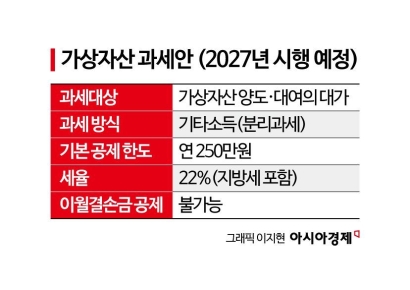 "Stocks Are Not Taxed, but Annual Crypto Gains Over 2.5 Million Won to Be Taxed Next Year... Investors Push Back"
- "Not Jealous of Winning the Lottery"... Entire Village Stunned as 200 Million Won Jackpot of Wild Ginseng Cluster Discovered at Jirisan
- "Even With a 90 Million Won Salary and Bonuses, It Doesn’t Feel Like Much"... A Latecomer Rookie Who Beat 70 to 1 Odds [Scientists Are Disappearing] ③
- "Rather Than Endure a 1.5 Million KRW Stipend, I'd Rather Earn 500 Million in the U.S." Top Talent from SNU and KAIST Are Leaving [Scientists Are Disappearing] ①
- "How Did an Employee Who Loved Samsung End Up Like This?"... Past Video of Samsung Electronics Union Chairman Resurfaces
The police-prosecutor consultative body discussing follow-up measures ahead of the enforcement of the ‘Geomsu Wanbak’ law is also weakening the leadership’s position. This consultative body is also led by the Ministry of Justice, with a majority of members being former prosecutors. At two working-level meetings held on the 30th of last month and the 7th of this month, the prosecution and police reportedly showed clear differences in their positions regarding the responsibility-based investigation system. The police plan to use the consultative body to maintain the investigative authority secured after last year’s adjustment of police-prosecutor investigation rights and this year’s Geomsu Wanbak, while striving to expand investigative personnel. However, since the Ministry of Justice recently filed a constitutional dispute petition with the Constitutional Court against the Geomsu Wanbak law, claiming that the adjustment of police-prosecutor investigation rights is unconstitutional, difficulties in reaching an agreement are expected.
© The Asia Business Daily(www.asiae.co.kr). All rights reserved.







