"Deepfake, Concerns Over Misuse in Insurance Fraud... Need to Discuss Countermeasures"
Warnings have been issued that the advancing Deepfake technology could be exploited for insurance fraud. It has been pointed out that the related industry needs to respond collectively by proactively developing Deepfake prevention technologies or promoting preventive legislation. Deepfake refers to edited content created by synthesizing a specific person's face or voice into other photos or videos using artificial intelligence (AI) or machine learning technology.
According to the Insurance Research Institute's report "Deepfake and Insurance Fraud" on the 29th, the number of Deepfake videos worldwide increased more than tenfold between 2018 and 2020. The report evaluated that as Deepfake technology advances, the authenticity of information is threatened, and cyber risks are among the most serious and likely new risk factors that companies may face in the future.
CyberCube, a cyber risk analysis specialist company, forecasted that Deepfake technology will become a major risk factor for companies within the next two years. In fact, in August 2019, it was reported that a UK energy company was defrauded of $243,000 due to a Deepfake voice mimicking the CEO's voice.

It is also analyzed that Deepfake can be sufficiently utilized in insurance fraud. The insurance industry currently uses photos and other evidence in the insurance claim process, but existing risk assessment models and loss adjustment systems are considered inadequate to respond to insurance fraud using Deepfake. Accordingly, problems caused by fake content are expected to worsen.
Unless excessive amounts are claimed through Deepfake fraud, it is unlikely that some insurance claims will cause significant damage to insurers; however, the problem arises when a company's reputation or brand value is damaged as a result.
In such cases, it is predicted that considerable legal costs, crisis management costs, damaged system recovery costs, and data correction costs will occur. Particularly, if a company's reputation is damaged, concerns have been raised that it could lead to reduced potential revenue and a decline in stock prices. Losses caused by Deepfake fraud may be reflected in insurance premiums, increasing the burden on policyholders and causing unnecessary social costs.
Therefore, it is pointed out that an appropriate response system must be established, including identifying such fake content, strengthening customer authentication, and conducting continuous security testing. However, it is also a situation where establishing such systems is difficult because the cost-effectiveness cannot yet be predicted.
Accordingly, the report emphasized that promoting technology development at the level of the entire insurance industry alliance could be one solution. It added that broad mixed measures and responses are needed in the future technically, legally, and socially, such as preparing Deepfake-related legislation and building education and systems socially.
Hot Picks Today
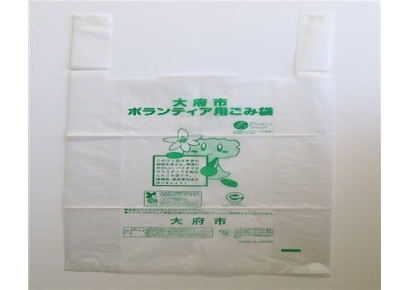 "Only Two Per Person" Garbage Bag Crisis Was Just Yesterday... Japan Also Faces Shortage Anxiety
- "Samsung Electronics Employee with 100 Million Won Salary Receiving 600 Million Won Bonus... Estimated Tax Revealed"
- Lived as Family for Over 30 Years... Daughter-in-Law Cast Aside After Husband's Death
- 'Will Demand Finally Decline Due to High Prices?'... "I'll Just Enjoy Nearby Trips" as Japan and China See a Surge
- "Wore It Once, Then This? White Spots All Over 4.15 Million Won Prada Jacket... 'Full Refund Ordered'"
Son Minsuk, a researcher at the Insurance Research Institute who authored the report, explained, "To respond to risks caused by Deepfake, companies like Adobe and Microsoft have formed an alliance to develop standards," and "major countries overseas are also preparing related legislation that requires transparency in the Deepfake creation process and its results, defines Deepfake as a crime, or recognizes private litigation rights."
© The Asia Business Daily(www.asiae.co.kr). All rights reserved.