Despite the Dollar Approaching 130 Yen... BOJ Maintains Large-Scale Monetary Easing Policy
![[Image source=Reuters Yonhap News]](http://www.asiae.co.kr/news/img_view.htm?img=2022042813570948167_1651121830.jpg)
[Asia Economy Reporter Jeong Hyunjin] Despite the Japanese yen experiencing a depreciation phenomenon, approaching the 130 yen per dollar mark on the 28th, the Bank of Japan (BOJ) decided to maintain its large-scale monetary easing policy.
According to the Nihon Keizai Shimbun, through a two-day monetary policy meeting held from the previous day to the 28th, the BOJ decided to continue its short- and long-term interest rate control, targeting a short-term policy rate of -0.1% and a long-term rate of 0%. Japan is sustaining this monetary easing policy to stimulate the economy.
The BOJ also decided to conduct unlimited purchases of 10-year government bonds at a fixed rate of 0.25% through a "fixed-rate operation (open market operation)" to prevent long-term interest rates from rising in the market, to be carried out every business day. Nihon Keizai explained that this is the first such measure since its introduction in September 2016.
The BOJ revised upward its forecast for this year’s consumer price inflation rate to 1.9% year-on-year, considering rising energy and raw material prices, up from the 1.1% projection released in January. Since setting a 2% inflation target in 2013, the BOJ views the current price increases as temporary, driven by cost factors rather than wage growth, and does not expect them to persist.
The problem is the ongoing yen depreciation. On this day, the yen-dollar exchange rate in the Tokyo foreign exchange market surged to as high as 129.88 yen per dollar, nearing the 130 yen level. This is the highest level since April 2002. Such a situation increases the burden on companies, leading to higher prices for products and services, which in turn expands consumers’ cost burdens. In Japan, this sharp yen depreciation is being labeled as "bad yen depreciation," raising concerns about its negative impact on the Japanese economy.
BOJ Governor Haruhiko Kuroda emphasized the need to continue monetary easing during a lecture at Columbia University in the United States on the 22nd. However, Nihon Keizai reported that if the yen depreciation continues as is, the BOJ may face pressure to change its policy within the year. Possible changes include raising the upper limit on short- and long-term interest rates from the current 0.25% to 0.5% or reconsidering forward guidance.
Hot Picks Today
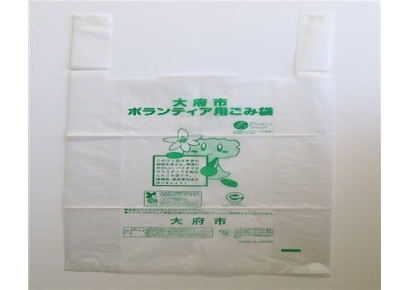 "Only Two Per Person" Garbage Bag Crisis Was Just Yesterday... Japan Also Faces Shortage Anxiety
- "Samsung Electronics Employee with 100 Million Won Salary Receiving 600 Million Won Bonus... Estimated Tax Revealed"
- Lived as Family for Over 30 Years... Daughter-in-Law Cast Aside After Husband's Death
- Ministry of Food and Drug Safety Awards 125 Million Won in Special Achievement Bonuses to Public Officials
- "Wore It Once, Then This? White Spots All Over 4.15 Million Won Prada Jacket... 'Full Refund Ordered'"
Meanwhile, the BOJ lowered its forecast for this year’s real gross domestic product (GDP) growth rate from 3.8% to 2.9%, while raising the forecast for next year’s real GDP growth rate from 1.1% to 1.9%. The BOJ explained that this adjustment reflects the impact of the resurgence of COVID-19 and rising energy prices on this year’s economy.
© The Asia Business Daily(www.asiae.co.kr). All rights reserved.







