Can You Buy Medicine Contactlessly? Pain Over Medicine Vending Machine 'Hwasang Tuyakgi'
Purchasing Medicines via Video Calls
Introduction Faces Difficulties Due to Pharmacists' Opposition
![[Image source=Yonhap News]](http://www.asiae.co.kr/news/img_view.htm?img=2022041109243222947_1649636672.jpg)
[Asia Economy Reporter Chunhee Lee] Will it be possible to buy medicine from a pharmacy even when the pharmacy is closed? The controversy surrounding the introduction of the video dispensing machine, a kind of ‘medicine vending machine,’ is intensifying.
According to industry sources on the 26th, the video dispensing machine developed by the domestic company ThreeR Korea is currently aiming to enter the market through the ICT regulatory sandbox. In this process, the Korea Pharmaceutical Association has expressed a strong opposition stance, causing difficulties in the sandbox review. ThreeR Korea, the Pharmaceutical Association, and the review committee members have already held three subcommittee meetings for adjustment but failed to reach an agreement. The Ministry of Science and ICT, the competent authority, considers further meetings meaningless and plans to submit the matter directly to the demonstration exemption plenary session next month.
The video dispensing machine is installed outside the pharmacy, allowing customers to purchase medicines after a video call with a pharmacist. Since it can be used outside pharmacy business hours, safe prescriptions are possible through medication guidance from pharmacists even in urgent situations. However, unlike general vending machines, patients cannot choose freely and can only buy medicines remotely selected by the pharmacist. This is a safety measure to prevent misuse of medicines. Conversations between pharmacists and patients are stored for six months, and payments are made only by credit or debit card to keep records.
This is not the first attempt to enter the market with video dispensing machines. In 2016, after passing the Presidential Regulatory Ministerial Meeting, a revision bill of the Pharmaceutical Affairs Act including related content was prepared but did not pass the National Assembly. This time, the company is aiming for the regulatory sandbox of the Ministry of Science and ICT.
Among the main issues emerging are the number of dispensing machines managed per pharmacist, types of medicines that can be sold, and personal information protection measures. The most contentious debate is about the number of dispensing machines. Since it is non-face-to-face, one pharmacist can manage dozens of dispensing machines. The Pharmaceutical Association insists that one pharmacist should manage only one dispensing machine, while ThreeR Korea argues that since simultaneous consultations do not occur, the number itself is meaningless and is not backing down.
Hot Picks Today
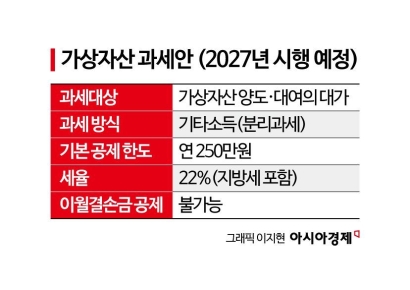 "Stocks Are Not Taxed, but Annual Crypto Gains Over 2.5 Million Won to Be Taxed Next Year... Investors Push Back"
- "Not Jealous of Winning the Lottery"... Entire Village Stunned as 200 Million Won Jackpot of Wild Ginseng Cluster Discovered at Jirisan
- "Even With a 90 Million Won Salary and Bonuses, It Doesn’t Feel Like Much"... A Latecomer Rookie Who Beat 70 to 1 Odds [Scientists Are Disappearing] ③
- General Strike D-1: Final Negotiations Between Samsung Electronics Labor and Management Over One Key Issue
- "How Did an Employee Who Loved Samsung End Up Like This?"... Past Video of Samsung Electronics Union Chairman Resurfaces
The Pharmaceutical Association strongly opposes allowing video dispensing machines, arguing that they should not be permitted when non-face-to-face medical treatment and medicine delivery were temporarily allowed due to COVID-19. They claim it violates the basic purpose of the Pharmaceutical Affairs Act, which restricts medicine sales to within pharmacies, and could significantly degrade the quality of related services. They also argue that the technology is not special but a recombination of existing technologies, thus not fitting the purpose of the special exemption project. Chairman Kwanghoon Choi of the Pharmaceutical Association said the day before, "The Korea Pharmaceutical Association’s position is that video dispensing machines must never be brought to the regulatory sandbox plenary session," adding, "We will do our best to block it until the end."
© The Asia Business Daily(www.asiae.co.kr). All rights reserved.