During the Omicron Surge, Perception of "High Risk of COVID Infection" Hits Record High
'Risk of COVID-19 Infection' at Historic Low of 47.9%
77.6% of Respondents Express "Concern Over Omicron Dominance"
![Rapid Antigen Test Kit Showing Positive Result [Image Source=Yonhap News]](http://www.asiae.co.kr/news/img_view.htm?img=2022031220193775846_1647083976.jpg)
[Asia Economy Reporter Kim Young-won] Amid the Omicron surge with daily confirmed cases consistently in the 100,000 range, the public perceives a high likelihood of COVID-19 infection but considers the risk of severe outcomes upon infection to be low, according to a recent survey.
A research team led by Professor Yum Myung-soon from Seoul National University Graduate School of Public Health released the results of the "COVID-19 2-Year National Risk Perception Survey," conducted from February 25 to March 2, involving 1,000 adult men and women, on the 15th.

The survey showed that 47.9% of respondents believed that "health or damage impact would be severe if infected," marking the lowest level since January 2020, while 27.8% perceived a "high likelihood of infection," the highest ever recorded. Compared to the previous survey conducted in November last year, the perception of severity upon infection dropped by about 10 percentage points from 57.7%, while the perception of high infection likelihood nearly doubled from 11.5%.
This reflects the influence of the Omicron wave, characterized by high transmissibility but mild symptoms. The previous survey in November last year was conducted before the Omicron wave began, with an average of 2,751 confirmed cases per month. From the first week of December, Omicron detection started, and daily new confirmed cases repeatedly set new records, exceeding 5,000 and 6,000 cases.
Despite reduced concerns about infection risk, 77.6% of respondents expressed worry about the dominance of Omicron. Notably, 83% of respondents with children were concerned, significantly higher than the 55.1% of respondents without children.
Fear that the COVID-19 pandemic might never end has also increased. In a January survey of 1,000 Gyeonggi Province residents conducted by Professor Yum’s team, 43.4% responded that COVID-19 would not end, whereas this figure rose by 10.9 percentage points to 54.3% in the current survey.

Meanwhile, public evaluation of the government and health authorities, the main actors in infectious disease response, has worsened. Trust in the government dropped to 52.4%, and trust in the Korea Disease Control and Prevention Agency (KDCA) and Ministry of Health and Welfare fell to 63.3%, both down from the previous survey (55.7% and 73.2%, respectively). Trust in health authorities fell below 60% for the first time. The percentage of respondents who rated Korea’s COVID-19 response as "well done" also decreased from 59.9% in October last year to 42.5%.
Hot Picks Today
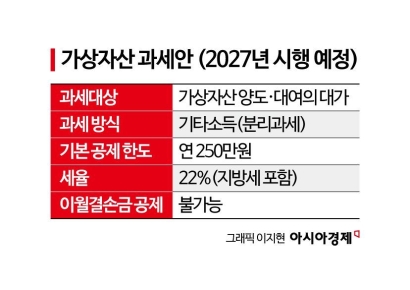 "Stocks Are Not Taxed, but Annual Crypto Gains Over 2.5 Million Won to Be Taxed Next Year... Investors Push Back"
- "Not Jealous of Winning the Lottery"... Entire Village Stunned as 200 Million Won Jackpot of Wild Ginseng Cluster Discovered at Jirisan
- "Even With a 90 Million Won Salary and Bonuses, It Doesn’t Feel Like Much"... A Latecomer Rookie Who Beat 70 to 1 Odds [Scientists Are Disappearing] ③
- "Rather Than Endure a 1.5 Million KRW Stipend, I'd Rather Earn 500 Million in the U.S." Top Talent from SNU and KAIST Are Leaving [Scientists Are Disappearing] ①
- "How Did an Employee Who Loved Samsung End Up Like This?"... Past Video of Samsung Electronics Union Chairman Resurfaces
Professor Yum analyzed, "The characteristics of Omicron, such as much higher transmissibility than Delta and relatively lower severity and fatality rates, are reflected in subjective risk assessments." He added, "It is important to note that a majority still express concern about Omicron’s dominance and that fear of COVID-19 not ending has increased. The high level of public concern about Omicron signals a demand for the government and health authorities to find and share realistic sources of reassurance."
© The Asia Business Daily(www.asiae.co.kr). All rights reserved.







