Last Month's Seoul Apartment Jeonse Price Increase Rate Surpasses Sale Price Increase Rate
[Asia Economy Reporter Minyoung Kim] The rate of increase in Seoul apartment jeonse prices has surpassed the rate of increase in sale prices for the first time in a year.

The number of autonomous districts in Seoul where the average apartment sale price exceeds 50 million KRW per 3.3㎡ has more than doubled in one year. As of November last year, only Gangnam-gu, Seocho-gu, and Songpa-gu among the 25 autonomous districts in Seoul had average apartment sale prices exceeding 50 million KRW per 3.3㎡, but last month, Yongsan-gu, Seongdong-gu, Mapo-gu, and Gwangjin-gu were added, making a total of seven districts. The photo shows the view of Seoul apartments from 63 Square. Photo by Kim Hyunmin kimhyun81@
View original imageAccording to the KB Kookmin Bank monthly housing price trend time series statistics on the 8th, last month the rate of increase in Seoul apartment sale prices was 0.23%, which was lower than the jeonse price increase rate (0.31%). It is the first time in a year that the rise in Seoul apartment prices was lower than the rise in jeonse prices.
Last year, both apartment sale prices and jeonse prices rose together, but throughout the year, sale prices increased more than jeonse prices.
However, from the second half of last year, factors such as recognition of the housing price peak, loan regulations, and interest rate hikes overlapped, leading to a transaction freeze in Seoul apartments and a halt in the rise of apartment prices. This trend continued into the new year, resulting in the jeonse price increase rate surpassing the sale price increase rate.
The only time when the jeonse price increase rate was higher than the sale price increase rate in Seoul was from September to December 2020. This was due to the sharp rise in jeonse prices caused by the implementation of the new lease law at the end of July 2020, which included the right to request contract renewal and the rent ceiling system.
Hot Picks Today
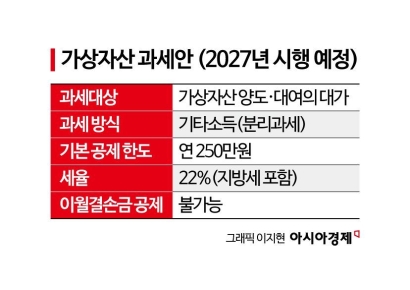 "Stocks Are Not Taxed, but Annual Crypto Gains Over 2.5 Million Won to Be Taxed Next Year... Investors Push Back"
- "Not Jealous of Winning the Lottery"... Entire Village Stunned as 200 Million Won Jackpot of Wild Ginseng Cluster Discovered at Jirisan
- "Even With a 90 Million Won Salary and Bonuses, It Doesn’t Feel Like Much"... A Latecomer Rookie Who Beat 70 to 1 Odds [Scientists Are Disappearing] ③
- "Rather Than Endure a 1.5 Million KRW Stipend, I'd Rather Earn 500 Million in the U.S." Top Talent from SNU and KAIST Are Leaving [Scientists Are Disappearing] ①
- "How Did an Employee Who Loved Samsung End Up Like This?"... Past Video of Samsung Electronics Union Chairman Resurfaces
Last month, the nationwide apartment price increase rate (0.32%) was also lower than the jeonse price increase rate (0.33%). It has been 1 year and 1 month since the nationwide apartment sale price increase rate was lower than the jeonse price increase rate, last occurring in November 2020.
© The Asia Business Daily(www.asiae.co.kr). All rights reserved.