[Serious Accident Punishment Act D-31] "Industrial Accident Deaths 1000→500"… Government Fails to Reduce Even by 200
From 969 in 2016 to 882 last year
Possibility of early 800s again this year
On-site risk factors remain... "Effectiveness of law uncertain"

On the 22nd, labor inspectors and related personnel are seen inspecting facilities during the 12th site inspection day at a new officetel construction site in Seongnam-si, Gyeonggi-do. (Photo by Moon Chae-seok)
View original image[Seongnam=Asia Economy Reporter Moon Chaeseok]
#At around 3:30 PM on the 22nd at a newly constructed officetel site on the 4th floor above ground in Seongnam, Gyeonggi Province, worker A showed caution when about ten labor inspectors wearing helmets labeled 'Ministry of Employment and Labor' arrived at the site without prior notice. Several workers near A were not even wearing safety helmets. The site manager was seen explaining something earnestly but appeared clearly flustered.
The construction site was in disarray a month before the Serious Accidents Punishment Act takes effect on January 27 next year. Few workers had memorized all the items in the government-distributed explanatory booklet and self-inspection checklist. The inspection at A’s workplace was part of the 12th nationwide 'Site Inspection Day' simultaneous inspections. The Ministry of Employment and Labor mobilizes about 1,800 personnel nationwide every two weeks to secretly select workplaces and conduct surprise inspections to check fall and entrapment prevention measures and whether workers are wearing safety protective gear. Since this day was the last simultaneous inspection before the Serious Accidents Punishment Act enforcement, Minister An Kyung-duk personally oversaw it.
Despite the high-intensity surprise inspections, the number of industrial accident fatalities did not significantly decrease during the Moon Jae-in administration. Although the government pledged to reduce the nearly 1,000 annual industrial accident deaths at the start of the administration to below 500, the figure has remained in the 800s even after four years. According to the Ministry of Employment and Labor, the annual industrial accident death toll was 969 in 2016, 964 in 2017, 971 in 2018, 855 in 2019, and 882 in 2020. The official record for January to November this year is 790, and the annual total is likely to be in the low 800s.
The industry responded that fundamentally eliminating workplace hazards is necessary to drastically reduce industrial accident fatalities as the government aims, but it is uncertain whether clear changes will appear after the Serious Accidents Punishment Act takes effect. According to the Ministry of Employment and Labor, temporary inspections conducted 11 times from July 14 to August 8 found hazards in 15,393 out of 24,033 workplaces (64.1%). Even after the legislative notice of the Serious Accidents Punishment Act enforcement decree on July 9 and the launch of the Occupational Safety and Health Headquarters on July 13, large-scale nationwide simultaneous inspections revealed hazards in about two out of every three workplaces.
Hot Picks Today
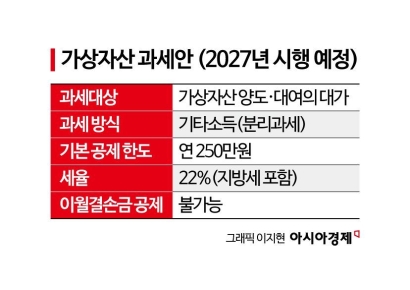 "Stocks Are Not Taxed, but Annual Crypto Gains Over 2.5 Million Won to Be Taxed Next Year... Investors Push Back"
- "Not Jealous of Winning the Lottery"... Entire Village Stunned as 200 Million Won Jackpot of Wild Ginseng Cluster Discovered at Jirisan
- "Even With a 90 Million Won Salary and Bonuses, It Doesn’t Feel Like Much"... A Latecomer Rookie Who Beat 70 to 1 Odds [Scientists Are Disappearing] ③
- "Rather Than Endure a 1.5 Million KRW Stipend, I'd Rather Earn 500 Million in the U.S." Top Talent from SNU and KAIST Are Leaving [Scientists Are Disappearing] ①
- "How Did an Employee Who Loved Samsung End Up Like This?"... Past Video of Samsung Electronics Union Chairman Resurfaces
Worker B, met at the inspection site, said, "From the site’s perspective, supervisory levels such as surprise simultaneous inspections had already increased before the legislative notice of the enforcement decree. Small-scale workplaces have faced difficulties in securing safety managers. If the law is enforced, the pressure from prime contractors’ management will increase the burden on safety managers, and the industrial characteristic of meeting construction deadlines will remain, so it is doubtful whether workplace hazards can be significantly reduced."
© The Asia Business Daily(www.asiae.co.kr). All rights reserved.







