"Is Carbon Neutrality Achievable?", "Can't Hire New Employees"... Companies Criticize Carbon Neutrality Committee Frankly
SK E&S "Domestic Climate and Environment Disadvantages... Need Verification of Basis and Facts for 70.8% Renewable Energy Feasibility"
Hanwha Energy "Short-term Closure of Conventional Power Plants Threatens Energy Security"
Seobu Power Union "New Employee Hiring Suspension Needed... Exclude New Hires from Performance Evaluation"

[Sejong=Asia Economy Reporter Kwon Haeyoung] "A fact check is needed to see if carbon neutrality is really possible," "If this continues, hiring new employees will be difficult," "There is no capacity for carbon reduction by 2030," ...
Regarding the '2050 Carbon Neutrality Scenario' announced by the Presidential Committee on Carbon Neutrality, companies expressed concerns about the committee's sudden push for carbon neutrality policies during consultations, making frank remarks. As the committee tries to set overly ambitious carbon reduction targets not only for 2050 but also for 2030, doubts about feasibility and the pressure felt by companies are increasing.
SK E&S stated, "Given Korea's climate and geographical conditions unfavorable for expanding renewable energy, clear evidence and fact verification are needed to determine whether it is possible to expand renewable energy generation to 70.8%." The company added, "Current renewable energy generation is about 6%, ranking low among OECD countries, and considering Korea's low energy self-sufficiency and isolated power grid characteristics, plans for the transition sector should not be based solely on the pace of technological progress in renewable energy."
Hanwha Energy criticized, "When the renewable energy ratio exceeds 10%, intermittency issues arise, requiring stabilization measures," and added, "The volatility and uncertainty of new renewable energy sources and the short-term closure decisions of conventional power plants threaten energy security." Doosan Heavy Industries also expressed skepticism, questioning whether the installation level is feasible considering domestic environmental conditions.
The power generation industry, directly hit by the reduction of coal power, expressed concerns about an employment cliff. The labor union of Western Power anticipated that the decommissioning of power facilities due to the energy transition would lead to the redeployment of over 1,000 workers and surplus personnel. The union argued, "If surplus personnel occur, measures to halt new employee recruitment are necessary, and recruitment scores for new employees should be excluded from management evaluations."
Hot Picks Today
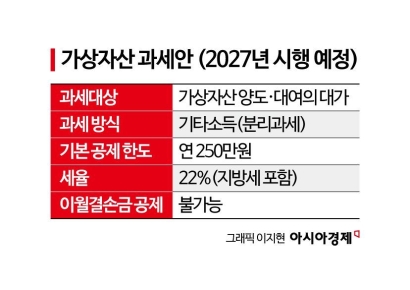 "Stocks Are Not Taxed, but Annual Crypto Gains Over 2.5 Million Won to Be Taxed Next Year... Investors Push Back"
- "Not Jealous of Winning the Lottery"... Entire Village Stunned as 200 Million Won Jackpot of Wild Ginseng Cluster Discovered at Jirisan
- "Rather Than Endure a 1.5 Million KRW Stipend, I'd Rather Earn 500 Million in the U.S." Top Talent from SNU and KAIST Are Leaving [Scientists Are Disappearing] ①
- "How Did an Employee Who Loved Samsung End Up Like This?"... Past Video of Samsung Electronics Union Chairman Resurfaces
- "Even With a 90 Million Won Salary and Bonuses, It Doesn’t Feel Like Much"... A Latecomer Rookie Who Beat 70 to 1 Odds [Scientists Are Disappearing] ③
In addition, power companies demanded employment stability and job transition support through retraining and education for current employees. The automotive parts industry expressed concerns about the sharp decline in demand for internal combustion engine-related personnel and insisted on the need to establish a safety net for regions and workers affected during the industrial transition process.
© The Asia Business Daily(www.asiae.co.kr). All rights reserved.







