Cheil Worldwide Embarks on Digital Restoration of Joseon Dynasty Government Offices and Palace Culture

The site of the Gun-gi-si preserved in the relic exhibition room within the Seoul City Hall.
View original image[Asia Economy Reporter Lim Chun-han] Public and private institutions that digitally restored Donuimun (Seodaemun) in Seoul, which was forcibly demolished by the Japanese colonial government, after 104 years, are now embarking on the digital restoration of Joseon Dynasty government offices and palace culture.
Cheil Worldwide announced on the morning of the 6th that it held a signing ceremony for the "Activation of Converged Content of Cultural Heritage and Cultural Tourism" agreement with the Cultural Heritage Administration, Seoul Metropolitan Government, and WooMi Construction at Heungbokjeon Hall in Gyeongbokgung Palace. Through this, they agreed to mutually cooperate in the digital restoration of the Joseon Dynasty government office "Gungisi" as part of cultural heritage protection and revitalization of historical and cultural cities.
The Gungisi, which will be digitally restored through this agreement, was a government office responsible for manufacturing military supplies such as weapons during the Joseon Dynasty. Established in 1392 (the first year of King Taejo's reign), Gungisi was located in the area of the current Seoul City Hall. However, it disappeared when the Gyeongseongbu Office building was constructed there during the Japanese colonial period. Later, in 2009, a large number of artifacts related to Gungisi were excavated during the construction of the Seoul City Hall, and currently, the Gungisi Relics Exhibition Hall is operated on the first basement floor of the City Hall.
The four institutions aim to restore the historical value of Gungisi by digitally reproducing five remaining buildings in the Gungisi Relics Exhibition Hall and applying extended reality (XR) technology to enable internal experiences. They are planning content such as experiencing weapons like Singijeon, which were developed at Gungisi, and meetings with historical figures related to Gungisi.
Furthermore, they plan to expand the content from the fortress gate (Donuimun) and government office (Gungisi) to the palace, establishing a "Heritage Universe." They intend to develop a program to digitally experience royal court ceremonies at Gyeongbokgung Palace, a representative palace of the Joseon Dynasty. Specifically, they are considering reproducing royal court events such as the morning assembly and banquets held at Geunjeongjeon Hall in Gyeongbokgung Palace using augmented reality (AR). The four institutions plan to sequentially carry out verification work, digital content production, and installation of experience spaces to complete the Gungisi and Gyeongbokgung cultural heritage restoration project by next year.
Hot Picks Today
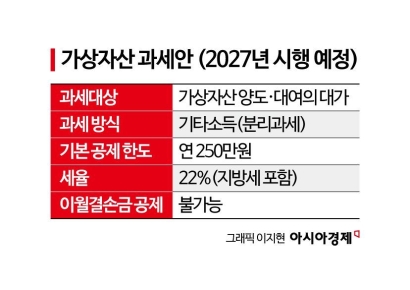 "Stocks Are Not Taxed, but Annual Crypto Gains Over 2.5 Million Won to Be Taxed Next Year... Investors Push Back"
- "Not Jealous of Winning the Lottery"... Entire Village Stunned as 200 Million Won Jackpot of Wild Ginseng Cluster Discovered at Jirisan
- "Rather Than Endure a 1.5 Million KRW Stipend, I'd Rather Earn 500 Million in the U.S." Top Talent from SNU and KAIST Are Leaving [Scientists Are Disappearing] ①
- "How Did an Employee Who Loved Samsung End Up Like This?"... Past Video of Samsung Electronics Union Chairman Resurfaces
- "Even With a 90 Million Won Salary and Bonuses, It Doesn’t Feel Like Much"... A Latecomer Rookie Who Beat 70 to 1 Odds [Scientists Are Disappearing] ③
A Cheil Worldwide official said, "We hope that this project will develop new-concept historical experience content based on digital technology where the past and present coexist and be utilized as a meaningful tourism resource."
© The Asia Business Daily(www.asiae.co.kr). All rights reserved.







