Chungnam, 'Average Concentration Down 5.8%' During Fine Dust Seasonal Management Period

[Asia Economy (Hongseong) Reporter Jeong Il-woong] During the operation period of the fine dust seasonal management system, the average concentration of ultrafine dust in the Chungnam region was analyzed to have decreased by 5.8% compared to the past three years.
Chungnam Province announced on the 26th that the effect of mitigating high concentrations of ultrafine dust was confirmed after analyzing the major achievements of the '2nd Fine Dust Seasonal Management System.'
The fine dust seasonal management system is a policy that strengthens measures to reduce air pollutant emissions from coal-fired power plants, air pollutant-emitting business sites, and construction sites during the expected high concentration period of fine dust (December to March) to alleviate the intensity and frequency of high concentration fine dust occurrences.
In the case of Chungnam, during the seasonal management system operation period from December last year to March this year, the average concentration of ultrafine dust was recorded at 29.5㎍/㎥, which is 5.8% lower than the average concentration of 31.3㎍/㎥ over the past three years.
In particular, January led the improvement in average concentration by recording 25㎍/㎥, which is 8㎍/㎥ better than the three-year average concentration of 33㎍/㎥.
Chungnam also benefited significantly from voluntary reduction agreements made with large business sites. Fine dust emitted by large business sites such as coal-fired power plants accounts for as much as 55.1% of the total regional emissions.
However, it is analyzed that these large business sites participated during the fine dust seasonal management period and reduced fine dust emissions, thereby contributing to the mitigation of regional fine dust concentrations.
For example, the amount of fine dust emissions reduced by the suspension and upper limit restrictions on coal-fired power plant operations was confirmed to have decreased by 1,107 tons compared to before the implementation of the seasonal management system.
Additionally, the province explained that fine dust emissions from large business sites excluding coal-fired power plants decreased by 2,618 tons compared to before the seasonal management system was implemented.
Furthermore, the reduction of grade 5 vehicles and activities of private fine dust inspection teams also contributed to improving fine dust concentrations in the region.
Lee Nam-jae, Director of the Climate and Environment Bureau of the province, said, “Based on the analysis data of the effects of the 2nd seasonal management system, we will focus on lowering regional fine dust concentrations by implementing the seasonal management system again from December this year.”
Hot Picks Today
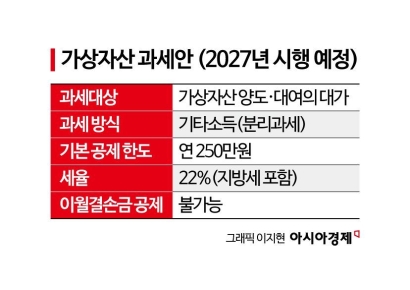 "Stocks Are Not Taxed, but Annual Crypto Gains Over 2.5 Million Won to Be Taxed Next Year... Investors Push Back"
- "Not Jealous of Winning the Lottery"... Entire Village Stunned as 200 Million Won Jackpot of Wild Ginseng Cluster Discovered at Jirisan
- "Rather Than Endure a 1.5 Million KRW Stipend, I'd Rather Earn 500 Million in the U.S." Top Talent from SNU and KAIST Are Leaving [Scientists Are Disappearing] ①
- "How Did an Employee Who Loved Samsung End Up Like This?"... Past Video of Samsung Electronics Union Chairman Resurfaces
- "Even With a 90 Million Won Salary and Bonuses, It Doesn’t Feel Like Much"... A Latecomer Rookie Who Beat 70 to 1 Odds [Scientists Are Disappearing] ③
© The Asia Business Daily(www.asiae.co.kr). All rights reserved.







