SK·Ford US Battery Plant, Northeast or South?
Decision Made Considering Electric Vehicle Production Strategy, Logistics Efficiency, and Incentives
Preference for Southern Region Since 2000s...Possibility of Separate Locations

Jim Farley, CEO of Ford, is taking a commemorative photo with the electric pickup truck model F-150 Lightning at the Dearborn headquarters on the 19th (local time).
[Asia Economy Reporter Choi Dae-yeol] Interest has grown over where SK Innovation and Ford will locate their joint electric vehicle battery cell and module production facility in the United States. Considering Ford’s currently operating vehicle assembly plants, the factory is likely to be situated in the Northeast region, but since the 2000s, the automotive industry ecosystem, including vehicle assembly plants, has been primarily established in the southern region. As SK and Ford are expected to finalize the specific site and begin construction by the year after next at the latest, it is anticipated that this will significantly influence the newly emerging landscape of electric vehicle production in the U.S.
Previously, the two companies announced only the planned annual production capacity of electric vehicle batteries (60 GWh) and the mass production timeline (mid-2020s) for their joint venture, stating that the exact factory location would be decided after the joint venture is established. Since the memorandum of understanding (MOU) was signed on the 20th (local time), it is expected that the official factory site will be disclosed only after the joint venture is formed, likely by this summer, following the finalization of employment strategies and other details.
Ford currently operates eight vehicle assembly plants (including assembly plants) in the U.S., mostly concentrated in the Northeast states such as Michigan, Ohio, and Illinois. Some models are also produced at plants in the Midwest, including Louisville, Kentucky, and Kansas City, Missouri. According to Ford’s electrification strategy, the electric version of the pickup truck F-150 Lightning, which uses SK’s batteries, is scheduled for mass production starting next year. The Transit van will also have an electric model released early.
The existing internal combustion engine models of these vehicles are produced across various locations nationwide in the U.S. The production bases for the electric vehicle models have not yet been specifically disclosed. Ford’s first electric vehicle on sale, the Mustang Mach-E, is manufactured in Mexico and currently uses LG batteries. For models produced and sold at a volume of several thousand units per month, a system of sourcing parts externally is manageable.

At the groundbreaking ceremony of SK Innovation's Georgia electric vehicle battery plant held in March 2019, Governor Brian Kemp and Choi Jae-won, Senior Vice Chairman of SK Group, are taking a commemorative photo. Photo by SK Innovation
View original imageHowever, the situation changes as electric vehicle adoption expands. Recently, factories have frequently halted operations due to parts supply disruptions, making it increasingly important to establish a reliable supply chain. For large and heavy components like batteries, logistical efficiency, including geographic proximity, cannot be overlooked. Since there is a high possibility of utilizing existing facilities during the transition to electric vehicle manufacturing, and because the battery industry in the U.S. is broadly regarded as part of the automotive sector, labor issues related to the United Auto Workers (UAW) union must also be considered.
Incentives offered by state governments are another critical factor. SK’s interest in Georgia is partly because the state government views the future growth potential of the electric vehicle industry highly and has decided to provide substantial support measures. Newly established battery plants typically employ thousands of workers, rivaling the scale of vehicle assembly plants. With dozens of partner companies potentially clustering around and considering the ripple effects on upstream and downstream industries, local political and administrative entities have strong reasons to compete fiercely to attract such investments.

The U.S. automotive industry, symbolized by Detroit or the Rust Belt, has seen its landscape change since the 2000s as many vehicle manufacturers began establishing plants in the southern region. Due to relatively weaker union presence and lower wage levels, foreign brands preferred the South as an initial entry point into the local market. Most foreign brands, including Hyundai (Alabama), Kia (Georgia), as well as Japanese and European companies, adopted similar strategies.
Hot Picks Today
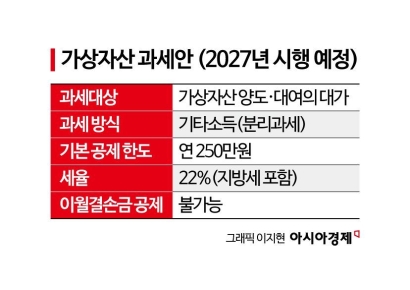 "Stocks Are Not Taxed, but Annual Crypto Gains Over 2.5 Million Won to Be Taxed Next Year... Investors Push Back"
- "Not Jealous of Winning the Lottery"... Entire Village Stunned as 200 Million Won Jackpot of Wild Ginseng Cluster Discovered at Jirisan
- "Even With a 90 Million Won Salary and Bonuses, It Doesn’t Feel Like Much"... A Latecomer Rookie Who Beat 70 to 1 Odds [Scientists Are Disappearing] ③
- General Strike D-1: Final Negotiations Between Samsung Electronics Labor and Management Over One Key Issue
- "How Did an Employee Who Loved Samsung End Up Like This?"... Past Video of Samsung Electronics Union Chairman Resurfaces
In summary, it appears likely that the SK-Ford joint venture will establish one plant each in the Northeast and the South. There is also a possibility that they might consider a Ford plant in the Midwest instead of the Northeast. Similarly, LG and General Motors (GM), who formed a joint venture earlier, have confirmed plans to locate one plant in Ohio in the Northeast and another in Tennessee in the South-Central region.
© The Asia Business Daily(www.asiae.co.kr). All rights reserved.