"Identify Hypertension Patients Just by Looking at Photos"
Korea Institute of Oriental Medicine Announces Study Results Distinguishing Hypertension Patients by Analyzing Facial Features in Photos

[Asia Economy Reporter Kim Bong-su] A study has found that it is possible to distinguish hypertension patients just by looking at photos, based on features such as nose shape and complexion.
The Korea Institute of Oriental Medicine (KIOM) announced on the 14th that Dr. Lee Sang-hoon’s research team obtained results showing that facial characteristics such as complexion (?色) and facial shape (?形) in photos can be analyzed to differentiate between hypertension patients and healthy individuals.
Hypertension is one of the most common chronic diseases in South Korea. Once it develops, it is difficult to cure completely, requiring lifelong management, making early diagnosis and prevention especially important. However, predicting risk before onset requires considering various factors such as family history, waist circumference, blood pressure changes, and triglycerides, which are not easy to check in daily life.
The research team is conducting a study to verify the possibility of diagnosing hypertension risk using facial characteristics in everyday photos. By analyzing over 1,000 photos of hypertension patients and healthy individuals (394 patients, 705 healthy), they quantitatively extracted shape and color variables of facial parts based on facial features observed in the traditional Korean medicine diagnostic method called Mangjin (望診). Mangjin is one of the four diagnostic methods in Korean medicine, where a practitioner visually examines the patient’s facial complexion, luster, skin, eyes, tongue, nails, and other external body parts.
For shape variables, reference points were set on the face to extract length, angles, ratios, and areas, while color variables were extracted by segmenting regions and expressing them through brightness components and red/blue color components. Using statistical machine learning techniques, the team compared and analyzed facial feature variables between the hypertension and healthy groups by gender, identifying facial features predictive of hypertension.
The results showed that for both men and women, the variable that differed between hypertension patients and healthy individuals in facial shape was the nose shape, while in facial color it was the color of the forehead and cheeks. Specifically, for women, eye shape and the angle and color of the nose were the most distinct variables distinguishing patients from healthy individuals, whereas for men, nose width and cheek color showed the greatest differences.
Using a model combining the extracted facial feature variables to distinguish hypertension patients from healthy individuals, the area under the curve (AUC) was 0.827 for women and 0.706 for men, confirming a meaningful level of predictive accuracy.
The research team plans to expand the study to predict hypertension risk by conducting follow-up research on facial features of individuals progressing from normal to hypertensive states, moving beyond simple classification.
Dr. Lee Sang-hoon stated, “In future healthcare services, health risk prediction technologies based on non-contact data such as images will become increasingly important,” adding, “This study is significant in confirming the possibility of identifying hypertension risk and providing information solely through photos, which can help individuals prevent and manage diseases.”
Hot Picks Today
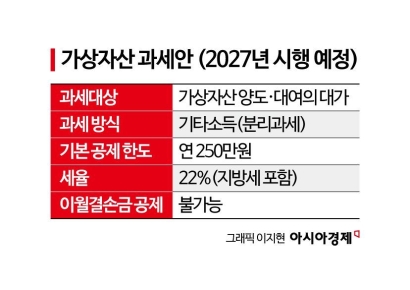 "Stocks Are Not Taxed, but Annual Crypto Gains Over 2.5 Million Won to Be Taxed Next Year... Investors Push Back"
- "Not Jealous of Winning the Lottery"... Entire Village Stunned as 200 Million Won Jackpot of Wild Ginseng Cluster Discovered at Jirisan
- "Rather Than Endure a 1.5 Million KRW Stipend, I'd Rather Earn 500 Million in the U.S." Top Talent from SNU and KAIST Are Leaving [Scientists Are Disappearing] ①
- "How Did an Employee Who Loved Samsung End Up Like This?"... Past Video of Samsung Electronics Union Chairman Resurfaces
- "Even With a 90 Million Won Salary and Bonuses, It Doesn’t Feel Like Much"... A Latecomer Rookie Who Beat 70 to 1 Odds [Scientists Are Disappearing] ③
□ Meanwhile, this study was conducted with support from the major projects of the Korea Institute of Oriental Medicine under the Ministry of Science and ICT, and the Bio-Medical Technology Development Project of the National Research Foundation of Korea funded by the Ministry of Science and ICT.
© The Asia Business Daily(www.asiae.co.kr). All rights reserved.







