Son Kyung-sik, Chairman, Criticizes Both Ruling and Opposition Parties: "Massive Regulations Cause Difficulties for Companies"
Private Property Rights Infringement 3% Rule Unconstitutional
"Neither Party Sided with Corporations"
"Government Policy Excessively Biased Toward Labor Unions"
[Asia Economy Reporter Suyeon Woo] "The ruling party did not compromise on political ideology, and the opposition party failed to speak with one voice internally, ultimately causing difficulties for our companies."
Son Kyung-sik, Chairman of the Korea Employers Federation (KEF) (photo), made a harsh critique of the ruling party, which is pushing policies focused solely on excessive corporate regulation, and the opposition party, which cannot unite in voice, during an informal press briefing held at the KEF headquarters on the 18th. As a senior figure in the business community, Chairman Son expressed regret that the voices of the business sector were not reflected at all amid the recent passage of a slew of corporate regulatory bills through the National Assembly.
He also expressed concern that although the business environment is becoming increasingly difficult due to the novel coronavirus disease (COVID-19), government policy directions are moving in the opposite direction, tightening restrictions on companies. Chairman Son conveyed the voices from the field, saying, "In my many years of managing businesses, I don't think there has been a year as difficult as this one, except for the 1998 foreign exchange crisis," adding, "Companies are passing through a dark, long tunnel where they cannot even distinguish the distance in front of them."

Son Kyung-sik, Chairman of the Korea Employers Federation / Photo by Hyunmin Kim kimhyun81@
View original imageChairman Son pointed out the problems of the recently passed corporate regulatory bills one by one and criticized the ruling party's unilateral bill processing method. He said, "In the recently passed Labor Union Act, the business community demanded prohibitions on illegal occupation by unions and permission for substitute labor, but none of these were reflected," and added, "I feel the government is excessively biased toward labor unions."
Regarding the '3% rule,' which limits the exercise of voting rights by major shareholders, he mentioned it as a kind of infringement on private property rights and pointed out that it may be unconstitutional under the Constitution. Chairman Son said, "Companies are concerned that this bill's passage could increase the influence of hedge funds," adding, "Corresponding measures to defend management rights are necessary, but the current unprepared state is quite worrisome."
Hot Picks Today
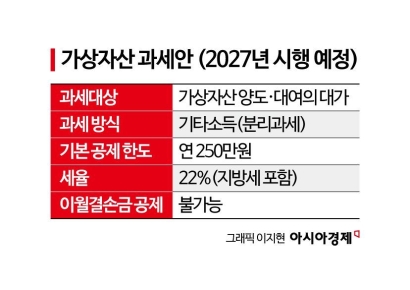 "Stocks Are Not Taxed, but Annual Crypto Gains Over 2.5 Million Won to Be Taxed Next Year... Investors Push Back"
- "Not Jealous of Winning the Lottery"... Entire Village Stunned as 200 Million Won Jackpot of Wild Ginseng Cluster Discovered at Jirisan
- "Even With a 90 Million Won Salary and Bonuses, It Doesn’t Feel Like Much"... A Latecomer Rookie Who Beat 70 to 1 Odds [Scientists Are Disappearing] ③
- "Rather Than Endure a 1.5 Million KRW Stipend, I'd Rather Earn 500 Million in the U.S." Top Talent from SNU and KAIST Are Leaving [Scientists Are Disappearing] ①
- "How Did an Employee Who Loved Samsung End Up Like This?"... Past Video of Samsung Electronics Union Chairman Resurfaces
On the Serious Accident Punishment Act, which is currently under legislative coordination, he expressed a cautious stance, saying that the possibility of the bill's passage cannot be guaranteed 100%. Chairman Son emphasized, "It is not desirable to increase the severity of punishment and hold business owners responsible for accidents," and added, "The government should strengthen accident prevention policies by actively utilizing industrial accident insurance premiums contributed by companies."
© The Asia Business Daily(www.asiae.co.kr). All rights reserved.







