Exports Are Challenging... Disaster Relief Funds Bring Traditional Markets to Record-High Perceived Economic Activity

On the 22nd of last month, a notice indicating the availability of emergency disaster relief funds was posted at Tongin Market in Jongno-gu, Seoul. Photo by Mun Ho-nam munonam@
View original image[Asia Economy Reporter Moon Hyewon] Recently, the sentiment indicators for small business owners and traditional markets have shown relatively rapid improvement, supported by government policies. However, production and exports of small and medium-sized enterprises (SMEs) have worsened as the impact of the novel coronavirus disease (COVID-19) spreads.
According to the 'June KOSBI SME Trends' report published on the 25th by the Trend Analysis Team of the Small and Medium Business Research Institute, the Business Survey Index (BSI) reflecting small business owners' sentiment in May was 88.3, rising 14.5 points from the previous month.
It also increased by 18.6 points compared to the same month last year. In particular, the restaurant industry rose by 31.9 points, and personal services increased by 21.3 points during the same period.
Generally, a BSI above 100 indicates a favorable economy, while below 100 suggests a poor economy. The Trend Analysis Team explained that all industries showed significant improvement, supported by government aid such as emergency disaster relief funds.
The sentiment index for traditional markets also surged sharply across all sectors due to the transition in quarantine systems and the effects of emergency disaster relief funds. The traditional market BSI in May this year was 109.2, exceeding 100 and rising 29.2 points from the previous month.
It increased by 44.6 points compared to the same month last year, marking the largest rise since statistics began being compiled in 2001. Notably, clothing and footwear, livestock products, and seafood all surged by more than 40 points.
On the other hand, small and medium manufacturing and service industries continued to struggle as the impact of COVID-19 spread. In April, SME manufacturing production fell by 9.2 points compared to the same period last year. By sector, declines expanded in automobiles, medical and pharmaceutical products, leather and bags, textile products, rubber and plastics, and primary metals.
The average operating rate during this period (66.8%) dropped by 7.1 percentage points, reaching the lowest level since January 2009 during the financial crisis.
SME service production in April fell by 7.9% compared to the same month last year. Most sectors, including wholesale and retail, accommodation and food services, arts, sports and leisure, and education, showed poor performance, marking the largest decline since the statistics were revised in 2015.
Exports also sharply decreased due to a contraction in external demand caused by COVID-19. SME exports in May fell by 22.7% compared to the same month last year. Diagnostic kits, semiconductor manufacturing equipment, and pharmaceuticals performed well, but key items such as plastic products, machinery, and automobile parts were sluggish.
By country, exports to the United States and Japan turned downward, while exports to major countries such as China and Vietnam worsened.
The decline in SMEs was larger than that of large corporations, resulting in a decrease in the export share of SMEs (20.0%) compared to the previous month (21.2%).
Hot Picks Today
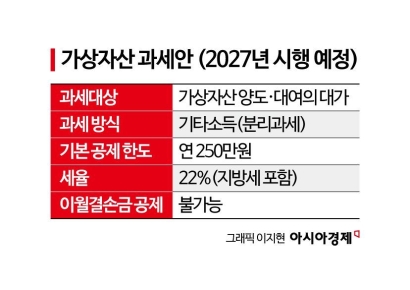 "Stocks Are Not Taxed, but Annual Crypto Gains Over 2.5 Million Won to Be Taxed Next Year... Investors Push Back"
- "Not Jealous of Winning the Lottery"... Entire Village Stunned as 200 Million Won Jackpot of Wild Ginseng Cluster Discovered at Jirisan
- "Even With a 90 Million Won Salary and Bonuses, It Doesn’t Feel Like Much"... A Latecomer Rookie Who Beat 70 to 1 Odds [Scientists Are Disappearing] ③
- "Rather Than Endure a 1.5 Million KRW Stipend, I'd Rather Earn 500 Million in the U.S." Top Talent from SNU and KAIST Are Leaving [Scientists Are Disappearing] ①
- "How Did an Employee Who Loved Samsung End Up Like This?"... Past Video of Samsung Electronics Union Chairman Resurfaces
The Trend Analysis Team stated, “Although expectations for global economic recovery have increased since May externally, uncertainties about the future economic outlook remain due to concerns over a resurgence of COVID-19 globally.”
© The Asia Business Daily(www.asiae.co.kr). All rights reserved.







