"Itaewon Club-Related Confirmed Cases Reach 102... Over 10,300 Tests Completed (Update)"

On the 12th, as the number of confirmed cases of the novel coronavirus infection (COVID-19) related to Itaewon clubs increases, citizens and foreigners are lining up to get tested for COVID-19 at a screening clinic set up at Soonchunhyang University Seoul Hospital in Yongsan-gu, Seoul. Photo by Moon Honam munonam@
View original image[Asia Economy Reporter Kim Heung-soon] The cumulative number of confirmed cases of the novel coronavirus infection (COVID-19) related to Itaewon clubs in Yongsan-gu, Seoul, reached 102 as of 12:00 PM on the 12th. It surpassed 100 just six days after the first patient, a 29-year-old man residing in Yongin-si, Gyeonggi Province, was reported on the 6th.
According to the regular briefing by the Central Disaster and Safety Countermeasure Headquarters for COVID-19 in the afternoon, among the 102 related patients, 73 visited the clubs, and 29 cases occurred through secondary transmission among contacts such as family, acquaintances, and colleagues.
Kwon Jun-wook, Deputy Director of the Central Disaster and Safety Countermeasure Headquarters, said, "We have not yet found any third-generation infection cases," but added, "Considering that epidemiological investigations are ongoing and various tracing efforts are underway, the possibility of third-generation infections cannot be ruled out."
The total number of COVID-19 diagnostic tests related to Itaewon clubs conducted by quarantine authorities and local governments until the previous day was 10,299. This includes 8,490 people who either filled out personal information in the visitor logs at the clubs or voluntarily visited screening clinics, and 1,809 people who were tested in the community without direct connection but related to the clubs.
Hot Picks Today
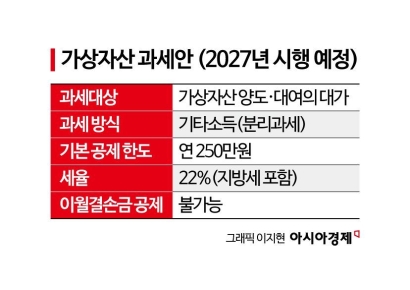 "Stocks Are Not Taxed, but Annual Crypto Gains Over 2.5 Million Won to Be Taxed Next Year... Investors Push Back"
- "Not Jealous of Winning the Lottery"... Entire Village Stunned as 200 Million Won Jackpot of Wild Ginseng Cluster Discovered at Jirisan
- "Even With a 90 Million Won Salary and Bonuses, It Doesn’t Feel Like Much"... A Latecomer Rookie Who Beat 70 to 1 Odds [Scientists Are Disappearing] ③
- "Rather Than Endure a 1.5 Million KRW Stipend, I'd Rather Earn 500 Million in the U.S." Top Talent from SNU and KAIST Are Leaving [Scientists Are Disappearing] ①
- "How Did an Employee Who Loved Samsung End Up Like This?"... Past Video of Samsung Electronics Union Chairman Resurfaces
The quarantine authorities are also discussing expanding anonymous testing, introduced by some local governments such as Seoul City to address concerns about social stigma and reluctance to undergo testing, to all local governments. Deputy Director Kwon said, "If there are people hiding in the community or reluctant to get tested, they could become blind spots in overall quarantine efforts," and added, "We consider anonymous testing to be the right direction from a quarantine perspective and are internally reviewing whether to support it."
© The Asia Business Daily(www.asiae.co.kr). All rights reserved.







