Last Year, Japanese Imported Car Sales Decreased by 19%
Ministry of Industry Announces 2019 Domestic Automobile Industry Performance
Production, Sales, and Exports All Decline... "Holding Up Well Compared to Major Countries"
Record High Domestic Sales and Exports of Eco-Friendly Vehicles... Hydrogen Cars Increase Fivefold

[Asia Economy Reporter Kim Bo-kyung] Last year, domestic automobile production, sales, and exports all declined. Sales of Japanese imported cars decreased by 19% due to the boycott of Japanese products.
According to the domestic automobile industry performance announced by the Ministry of Trade, Industry and Energy on the 16th, the automobile industry in 2019 saw a provisional decrease of 1.9% in production, 1.8% in domestic sales, and 1.9% in exports compared to the previous year.
However, export value increased by 5.3% to $43.07 billion, marking the highest since 2015.
The number of cars produced last year was 3,951,000 units, down 1.9% from the previous year. This was attributed to a decrease in Renault Samsung's consignment production (Rogue), production disruptions due to the Korea GM strike, and adjustments in domestic production lines.
Considering the overall sluggishness in major producing countries due to the global decline in automobile demand, Korea is evaluated to have performed relatively well. The production growth rates from January to November last year for major countries were China -9.0%, the United States -3.1%, and Germany -13.5%.

Domestic automobile sales recorded 1.78 million units, down 1.8% from the previous year. Demand for SUVs such as the Palisade and Seltos continued to rise, with RV models accounting for about 50% of passenger car sales.
Imported car sales decreased by 6.4% to 263,000 units due to the boycott of Japanese products. Sales of Japanese brand vehicles dropped 19.0% compared to the previous year. Sales had increased by up to 10.3% in the first half of the year but fell sharply by 45.0% in the second half as the boycott intensified.
Automobile exports recorded 2,402,000 units, down 1.9% from the previous year. However, export value increased by 5.3% due to continuous growth in exports of relatively high-priced electric and eco-friendly vehicles as well as SUVs.
Last year, both domestic sales and exports of eco-friendly vehicles set all-time records. Domestic sales increased by 13.5% to 140,311 units, and exports rose by 31.7% to 258,669 units.
In particular, hydrogen vehicles saw sales of 4,194 units, more than five times the previous year, thanks to the expansion of hydrogen refueling infrastructure.
Hot Picks Today
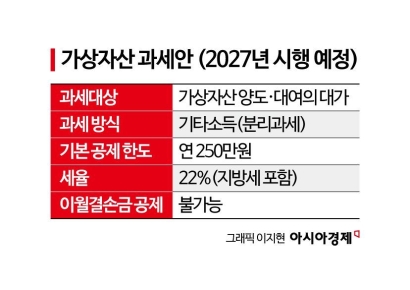 "Stocks Are Not Taxed, but Annual Crypto Gains Over 2.5 Million Won to Be Taxed Next Year... Investors Push Back"
- "Not Jealous of Winning the Lottery"... Entire Village Stunned as 200 Million Won Jackpot of Wild Ginseng Cluster Discovered at Jirisan
- "Even With a 90 Million Won Salary and Bonuses, It Doesn’t Feel Like Much"... A Latecomer Rookie Who Beat 70 to 1 Odds [Scientists Are Disappearing] ③
- "Rather Than Endure a 1.5 Million KRW Stipend, I'd Rather Earn 500 Million in the U.S." Top Talent from SNU and KAIST Are Leaving [Scientists Are Disappearing] ①
- "How Did an Employee Who Loved Samsung End Up Like This?"... Past Video of Samsung Electronics Union Chairman Resurfaces
Automobile parts exports declined by 2.5% to $22.55 billion due to market stagnation caused by the US-China trade dispute, contraction in automobile production and consumption in China, and economic slowdown in the Eurozone.
© The Asia Business Daily(www.asiae.co.kr). All rights reserved.







