
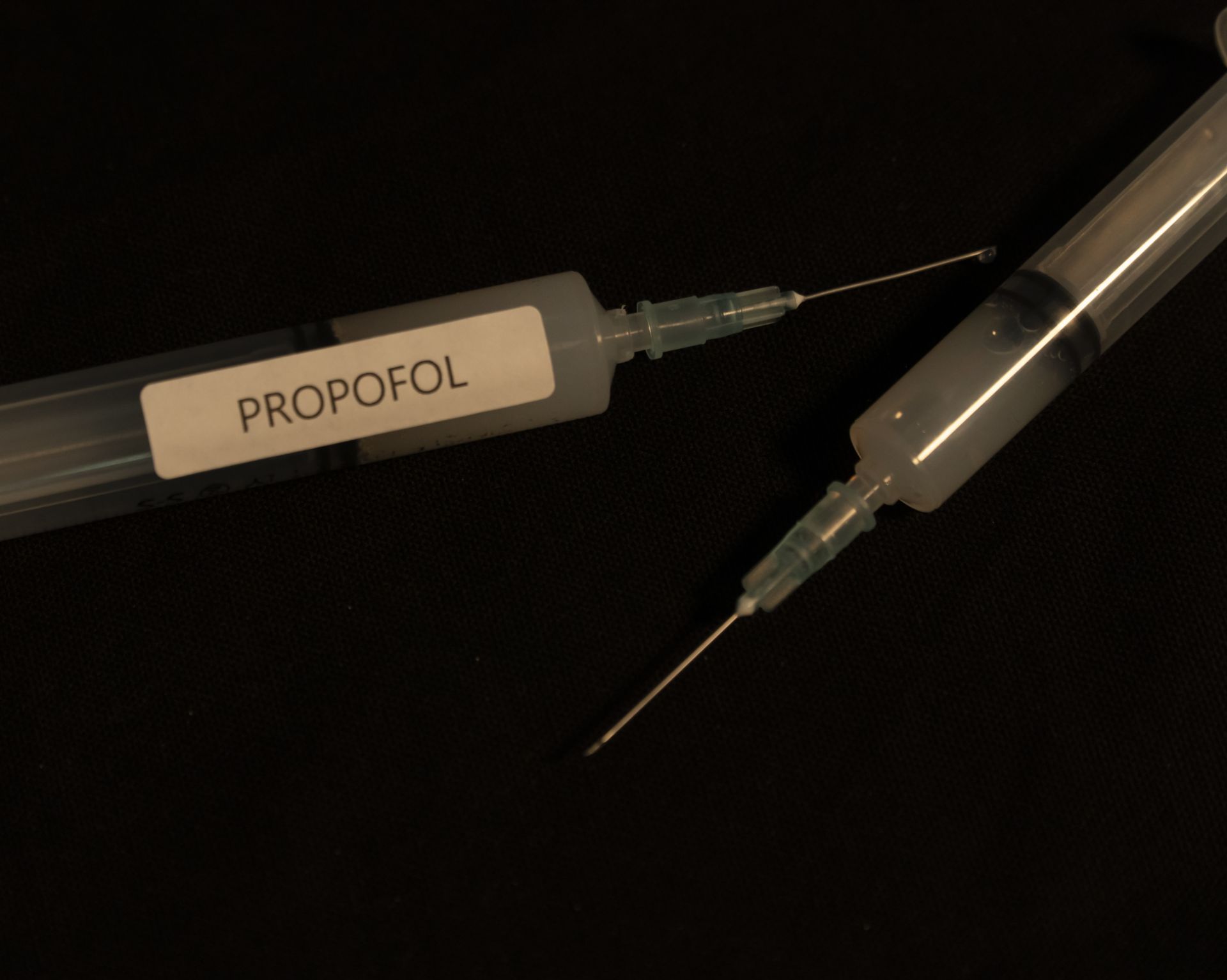
Controversies related to sedation anesthesia have existed in the past. Propofol, which is widely used for sedation anesthesia, is a drug with powerful sedative effects and is regulated as a narcotic due to its potential for abuse. Illegal administration incidents involving celebrities or medical institutions have sparked social debate, bringing the issue of 'propofol addiction' into public discourse.
Recently, so-called "Sedation Endurance Challenge" videos have been spreading online, raising concerns within the medical community. Videos capturing patients counting numbers or trying to endure anesthesia just before undergoing gastroscopy or dermatological procedures under sedation are accumulating hundreds of thousands to millions of views on social media and YouTube.

Recently, on Instagram, videos capturing moments just before undergoing sleep anesthesia have been spreading in the form of the "Endurance Challenge." Screenshot from Instagram
원본보기 아이콘On March 13, Yonhap News highlighted the risks associated with "Sedation Endurance" videos circulating on social media. In one recent Instagram video, a patient receiving sedation anesthesia attempts to count, "One, two, three..." but falls asleep within seconds; the video surpassed 530,000 views. The footage shows the patient's eyes glazing over and speech becoming slurred as the anesthetic is administered, prompting laughter from those nearby. Such videos, capturing moments just before sedation, have recently been spreading in the form of the "Endurance Challenge."
Sedation Scenes Frequently Featured on Broadcasts
These videos are often created at the request of patients who ask friends or medical staff accompanying them to film the moments. In one YouTube video uploaded in January, a patient, after the anesthetic is injected, asks, "Did the drug go in?" and begins counting, but within about 20 seconds, their speech trails off and they fall asleep. This video has recorded 1.9 million views.
In another Instagram video, a caption reads "I will try to endure sedation anesthesia," and the footage shows the patient’s eyes glazing over within seconds, with views exceeding 300,000. In some videos, medical staff say, "If you endure until 20 seconds, we’ll give you a bonus Botox injection," or portray the anesthesia process as a game.

Scenes of celebrities receiving sedation anesthesia have also been broadcast on MBC's "I Live Alone," KBS's "2 Days & 1 Night," "Hong Kim Dongjeon," and JTBC's web variety show "Halmyeongsu." Screenshot from YouTube
원본보기 아이콘Cases where the sedative state is used as a source of humor have also appeared on broadcast television. In the 2023 MBC variety program I Live Alone, cast members received sedation gastroscopy, and scenes of their rambling right after anesthesia were aired. The cast’s slurred speech caused studio panelists to laugh, drawing public attention. Scenes of celebrities undergoing sedation have also been broadcasted on KBS’s 2 Days & 1 Night, Hong Kimdongjeon, and the JTBC web entertainment show Hal Myeongsu.
"Not Just for Laughs": Expert Warnings
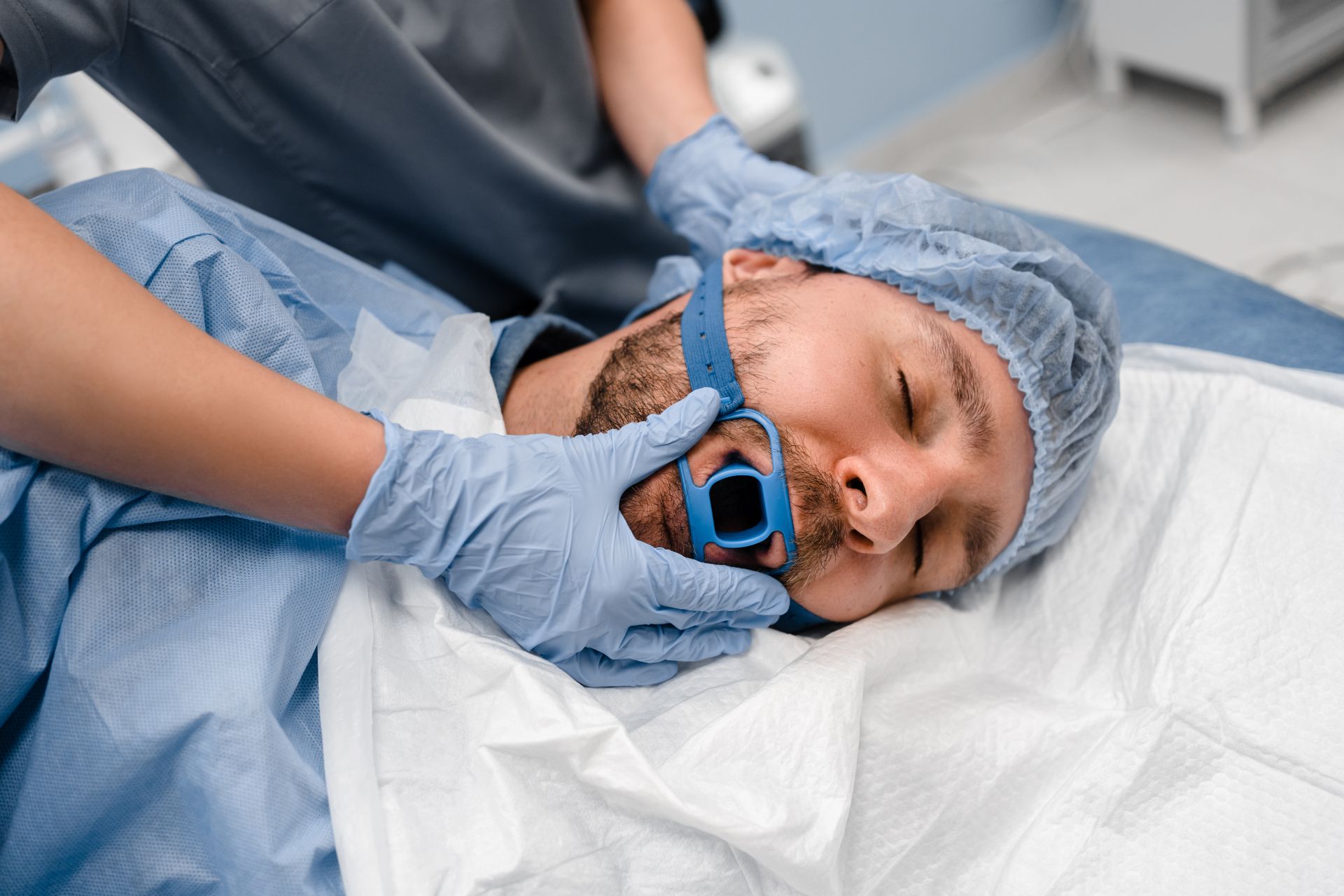
Medical experts are concerned that the spread of such content could downplay the dangers of sedation anesthesia. According to the Korean Society of Anesthesiologists, sedation anesthesia is a medical procedure in which sedatives or hypnotics are administered intravenously to allow patients to undergo procedures in a comfortable state. While it is used for relatively simple examinations, side effects such as dizziness, low blood pressure, vomiting, and blurred vision may occur. The greatest risk, however, is respiratory depression. If appropriate measures are not taken, this can lead to death, which is why continuous monitoring of the patient’s breathing, blood pressure, and oxygen saturation is essential.
Heo Jiyeong, an anesthesiologist working at a clinic in Sydney, Australia, told Yonhap News, "As these videos spread, the public may begin to view sedation anesthesia as just a lighthearted event," adding, "Since many of the drugs used for anesthesia are narcotics, the patient’s condition must be closely monitored and managed."
Furthermore, she pointed out that some of these videos do not show basic safety equipment, such as oxygen supply devices or oxygen saturation monitors. Dr. Heo explained, "Sedation is often performed without securing the airway, which can result in acute respiratory depression or laryngospasm. Although rare, these complications can lead to death."
Dr. Heo stressed, "There needs to be social discussion about the culture of turning situations where patients lose consciousness into content for views," adding, "It is not desirable to trade medical professionals’ pride and human dignity for online popularity."
-

Reporter Bang Jeil zeilism@asiae.co.kr
-
Edit Kim Hyunhee faith100@asiae.co.kr
© The Asia Business Daily(www.asiae.co.kr). All rights reserved.
!["Please Help Us": How Much Do Those Bowing Deeply for Your Vote Really Earn? [Data Pick]](https://cwcontent.asiae.co.kr/asiaresize/323/2026052010120870131_1779239528.png)