With the surge in demand for artificial intelligence (AI) data centers driving up memory semiconductor prices, supply instability is intensifying due to compounded factors such as rising geopolitical risks in the Middle East and the possibility of a general strike by the Samsung Electronics labor union. As memory prices push up the manufacturing costs of smartphones, there are forecasts that the prices of both budget and premium smartphones could rise by several hundred thousand won.
DRAM Prices Up 50% · NAND Up 90%

According to market research firm DRAMeXchange on March 12, the average price of standard DRAM for PCs (DDR4 8Gb 1Gx8) last month was $13, up 13% from $11.50 the previous month. The average fixed transaction price for standard NAND flash for memory cards (128Gb 16Gx8 MLC) in January was $12.67, an increase of 33.9% from $9.46 the previous month. Counterpoint Research estimated that in the first quarter of this year, DRAM prices jumped 50% quarter-on-quarter, and NAND prices surged 90%.
Industry sources also point out that escalating tensions in the Middle East, due to conflicts between Iran and the United States, are heightening uncertainties in the semiconductor supply chain, further fueling price increases. In addition, the structurally tight supply situation persists, with demand growth outpacing the expansion of wafer production capacity.
Possibility of a General Strike by Samsung Electronics Labor Union

On the morning of the 22nd, 2024, members of the National Samsung Electronics Labor Union are holding a rally for victory in the general strike at Semiconductor Sporex, Samsung Electronics Giheung Campus, Yongin, Gyeonggi Province. Photo by Yonhap News
원본보기 아이콘Further supply instability is being cited due to the possibility of a general strike by the Samsung Electronics labor union. The union plans to conduct a strike authorization vote until the 18th, and if a majority is in favor, a general strike is scheduled for approximately two weeks starting May 21. The unionization rate in the Device Solutions (DS) division is 68% (51,374 members), with unionization rates at the Hwaseong and Pyeongtaek plants at 66.7% and 78.3%, respectively.
An industry insider stated, "Although much of the semiconductor process is highly automated, the role of engineers who must monitor operations and respond immediately to any issues is essential. If a strike involving the vast majority of engineers materializes, it will inevitably disrupt fab operations, reducing supply in the market and creating an environment that accelerates price increases."
Half of Smartphone Manufacturing Cost Comes from Memory... Up to 300,000 Won Increase

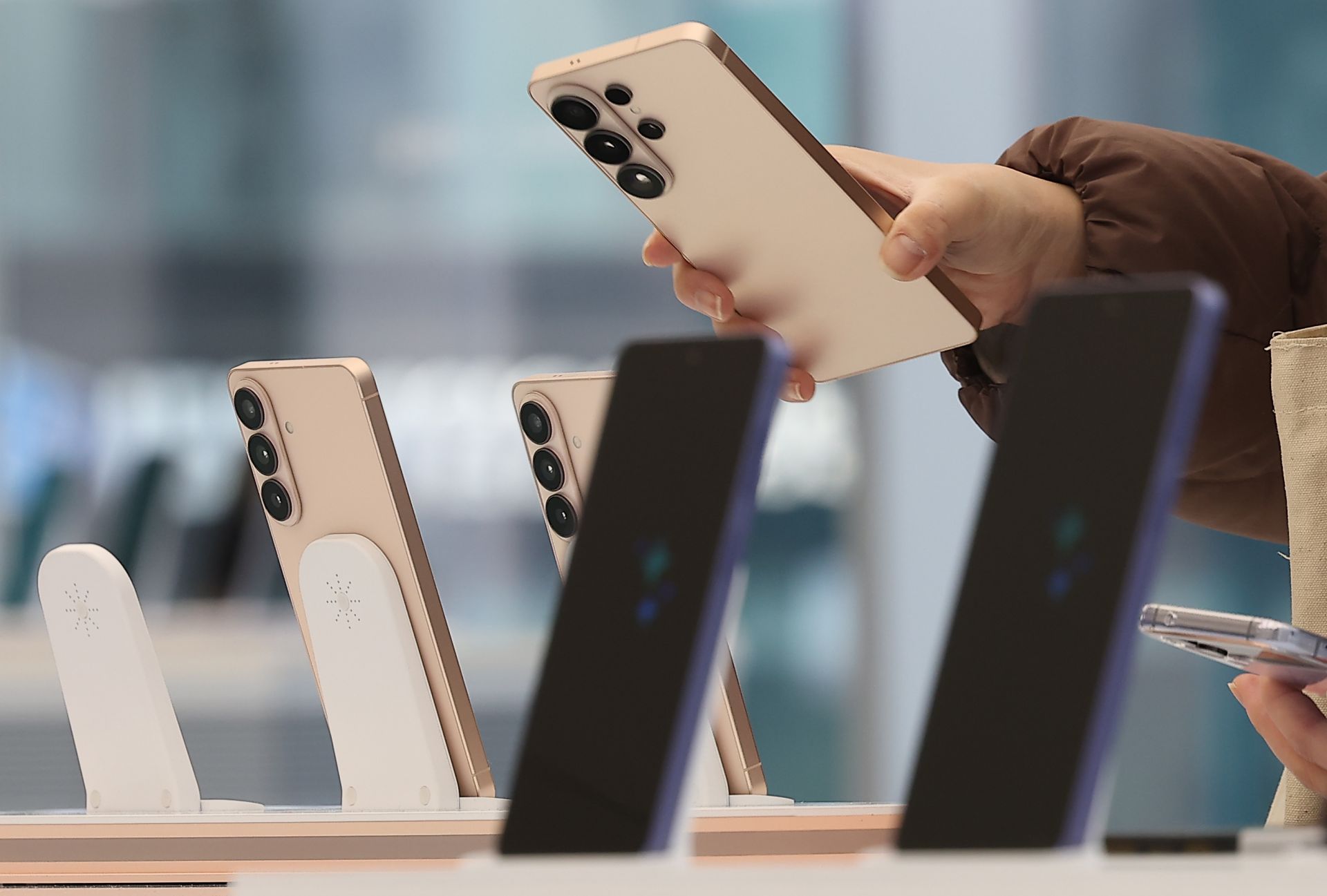
The impact of rising memory prices is also spreading to the smartphone market. Memory components, such as RAM, account for nearly half of the manufacturing cost of a smartphone, which is placing greater upward pressure on prices. According to Counterpoint Research, the total cost of budget smartphones priced under $200 is estimated to have risen about 25% quarter-on-quarter in the first quarter of this year. The proportion of memory costs in mid-range smartphones is also expected to increase significantly, and manufacturing costs for premium models are forecast to rise by about $100 to $150 through the second quarter.
Xiang Hao Bai, Senior Analyst at Counterpoint Research, noted, "The sharp increase in memory prices is having a structural impact on the component costs of smartphones. In particular, companies heavily reliant on budget models to expand market share could face short-term losses." Bai predicted that smartphone price hikes this year would amount to $30 (approximately 44,000 won) for budget models and $150 to $200 (approximately 220,000 to 290,000 won) for premium flagships.
-

Reporter Kwon Hyeonji hjk@asiae.co.kr
-

Reporter Lee Myeonghwan lifehwan@asiae.co.kr
-
Edit Kim Boram kbram6457@asiae.co.kr
© The Asia Business Daily(www.asiae.co.kr). All rights reserved.

![[Exclusive] "Looking Beyond Financial Statements for Future Value"... IBK Injects 170 Billion Won into 72 Innovative Companies](https://cwcontent.asiae.co.kr/asiaresize/304/2026011314545989464_1768283699.jpg)